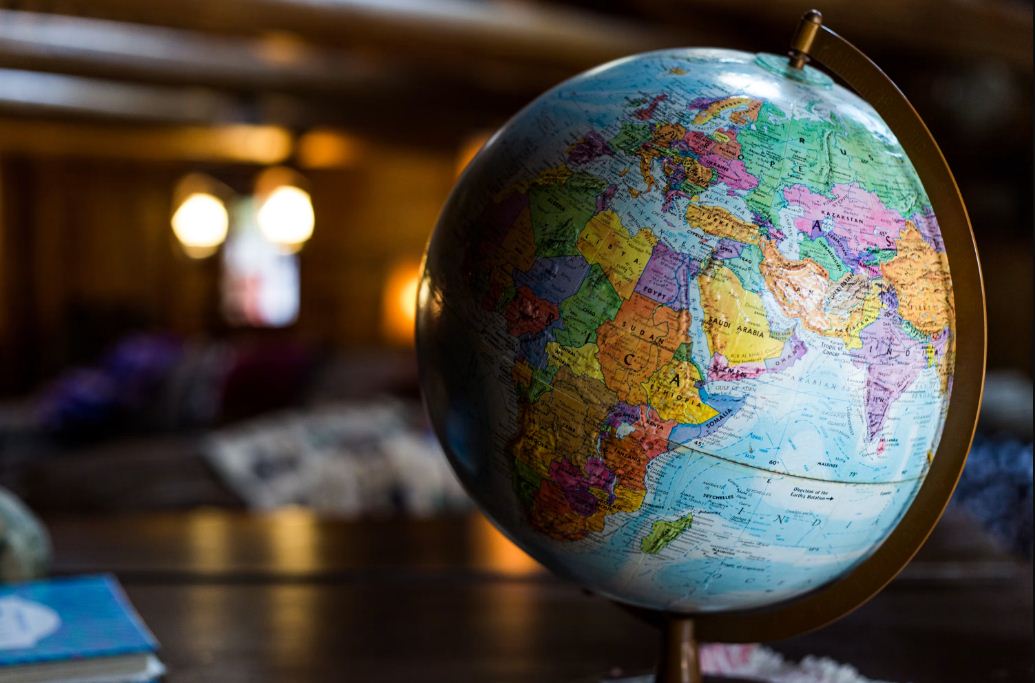
Travel in 2026 is more exciting, accessible, and innovative than ever before. With advancements in technology, improved transportation systems, and a growing awareness of sustainability, people are exploring the world in smarter ways. Travel is no longer just about vacations; it is about cultural experiences, personal growth, digital work flexibility, and responsible tourism.
Modern travelers prioritize comfort, convenience, and environmental responsibility. Whether traveling for business, leisure, or remote work, the global tourism industry continues to adapt to changing expectations.
The Rise of Smart Travel Technology
Technology plays a central role in shaping the modern travel experience. From booking flights to navigating foreign cities, digital tools simplify every step of the journey.
Online Booking Platforms
Travelers can compare prices, read reviews, and reserve accommodations within minutes. Real-time updates ensure smoother travel planning.
Digital Boarding and Biometric Check-Ins
Airports now use facial recognition and biometric systems to reduce waiting times and enhance security.
AI Travel Assistants
Artificial intelligence suggests personalized travel itineraries based on preferences, budget, and past trips.
Sustainable and Eco-Friendly Tourism
Environmental awareness has transformed travel habits. Tourists are choosing destinations and accommodations that prioritize sustainability.
Green Hotels
- Energy-efficient lighting systems
- Water conservation programs
- Plastic-free policies
- Renewable energy sources
Carbon-Neutral Travel
Airlines and travel companies are investing in carbon offset programs to reduce environmental impact.
Responsible tourism encourages travelers to respect local cultures, wildlife, and natural resources.
The Growth of Remote Work Travel
The rise of remote work has created a new category of travelers—digital nomads. Professionals can now work from anywhere in the world with stable internet connections.
Co-Working Spaces Worldwide
Major cities and tourist destinations offer modern co-working spaces, enabling productivity while exploring new environments.
Long-Term Stay Options
Serviced apartments and rental platforms provide flexible living arrangements for remote workers.
Popular Travel Trends in 2026
Adventure Tourism
Activities such as hiking, scuba diving, mountain climbing, and desert safaris are attracting thrill-seekers.
Cultural Exploration
Travelers seek authentic cultural experiences, including local cuisine, festivals, and historical landmarks.
Wellness Retreats
Health-focused travel is growing. Yoga retreats, spa resorts, and meditation centers offer relaxation and rejuvenation.
Luxury Travel
High-end travelers demand personalized services, private tours, and exclusive experiences.
Transportation Innovations
Modern transportation has made travel faster and more comfortable.
- High-speed rail networks
- Electric vehicles for road trips
- Improved airline fuel efficiency
- Smart navigation systems
These advancements reduce travel time and environmental impact.
Safety and Travel Awareness
Travelers in 2026 are more informed about safety guidelines and health requirements. Digital health passes and travel insurance apps ensure better preparedness.
Staying informed about local laws, weather conditions, and cultural norms enhances the travel experience.
Economic Impact of Tourism
The travel industry plays a vital role in global economic growth. It supports airlines, hotels, restaurants, transportation services, and local businesses.
Tourism creates employment opportunities and promotes cultural exchange between nations.
Challenges Facing the Travel Industry
Environmental Concerns
Overtourism can harm natural habitats and local communities. Sustainable management is essential.
Rising Costs
Fuel prices and inflation can increase travel expenses, affecting affordability.
Geopolitical Factors
Political instability and global conflicts may influence travel restrictions and destination safety.
The Future of Travel
Looking ahead, virtual reality previews may allow travelers to explore destinations before booking trips. Smart cities will provide seamless digital navigation and enhanced visitor experiences.
Sustainability, technology, and personalization will continue shaping the future of tourism. Travel will become more efficient, immersive, and environmentally responsible.
Conclusion
Travel in 2026 represents freedom, exploration, and global connection. With smarter technology and a stronger commitment to sustainability, the modern traveler enjoys greater flexibility and richer experiences.
As the world becomes increasingly connected, travel will remain a powerful way to learn, grow, and build meaningful memories across cultures and continents.