The world is changing faster than ever before. Technology, social values, environmental awareness, and evolving consumer preferences are reshaping how people live, work, travel, and interact. In 2026, lifestyle trends are no longer limited to fashion or entertainment. Instead, they influence every aspect of daily life, from personal wellness and career choices to home design and digital experiences.
As societies become increasingly connected, people are adopting new habits that prioritize convenience, sustainability, health, and flexibility. These emerging lifestyle trends are defining the future and creating opportunities for individuals and businesses alike. Understanding these developments can help people adapt to changing circumstances and make more informed decisions in their personal and professional lives.
The Evolution of Modern Lifestyles
Over the past decade, lifestyle preferences have undergone significant transformations. The rise of digital technology, remote work opportunities, and global connectivity has altered traditional routines. People are no longer restricted by geographical boundaries when it comes to education, employment, shopping, or social interactions.
The modern lifestyle emphasizes balance, personalization, and efficiency. Consumers are increasingly seeking experiences that align with their values while improving their quality of life. This shift has encouraged innovation across industries, leading to the development of products and services tailored to contemporary needs.
Factors Driving Lifestyle Changes
- Rapid technological advancements
- Growing environmental awareness
- Remote and hybrid work models
- Health and wellness priorities
- Digital transformation of daily activities
- Global cultural influences
The Rise of Sustainable Living
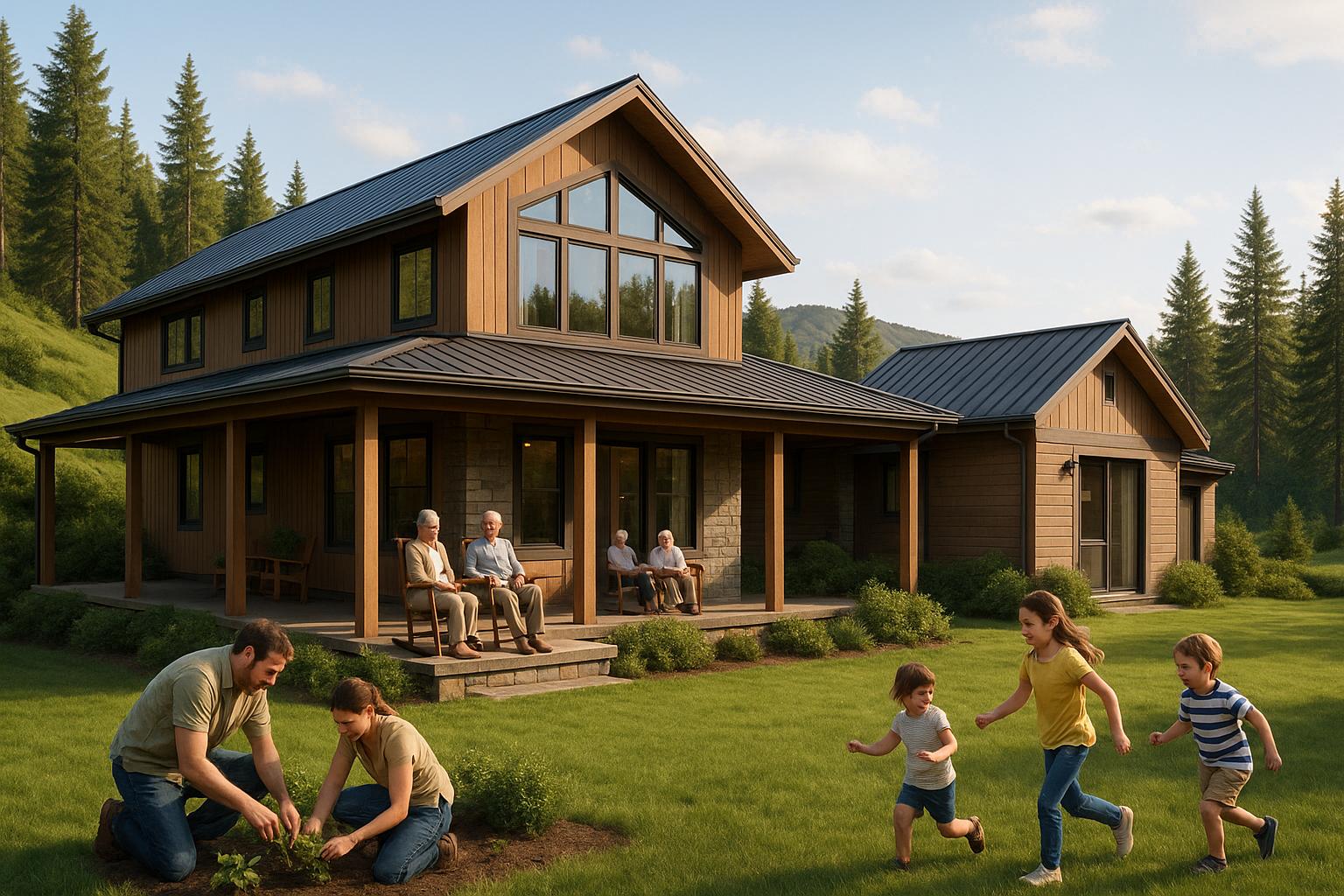
Sustainability has become one of the most influential lifestyle trends of 2026. Consumers are becoming more conscious of their environmental impact and actively seeking eco-friendly alternatives in their everyday lives.
From reusable products and energy-efficient appliances to sustainable fashion and eco-conscious travel, individuals are making choices that contribute to environmental preservation. Businesses are responding by developing greener products, reducing waste, and adopting sustainable practices throughout their operations.
This movement extends beyond consumer goods. Many people are embracing minimalism, reducing unnecessary consumption, and focusing on quality rather than quantity.
Popular Sustainable Lifestyle Practices
- Using reusable household items
- Reducing plastic consumption
- Purchasing sustainable products
- Supporting environmentally responsible brands
- Choosing energy-efficient technologies
- Practicing mindful consumption
Health and Wellness as a Priority
Health and wellness have become central components of modern lifestyles. People are increasingly prioritizing physical fitness, mental well-being, nutrition, and preventive healthcare.
The growing awareness of holistic wellness has led to increased interest in meditation, yoga, mindfulness practices, and personalized fitness programs. Wearable health devices enable individuals to monitor their activity levels, sleep quality, heart rate, and overall health in real time.
As healthcare technologies continue to evolve, individuals have greater access to tools and resources that support healthier lifestyles.
The Growth of Remote and Hybrid Work
Remote and hybrid work models have permanently transformed professional life. Employees increasingly value flexibility and work-life balance, leading many organizations to adopt more adaptable workplace policies.
This shift has influenced housing preferences, travel habits, and daily routines. Many professionals now design home offices, relocate to more affordable areas, or embrace digital nomad lifestyles that allow them to work while traveling.
The flexibility offered by remote work has improved job satisfaction for many employees while enabling companies to access global talent pools.
Benefits of Flexible Work Models
- Improved work-life balance
- Reduced commuting time
- Greater productivity
- Access to global opportunities
- Lower operational costs for businesses
- Enhanced employee satisfaction
Smart Homes and Connected Living
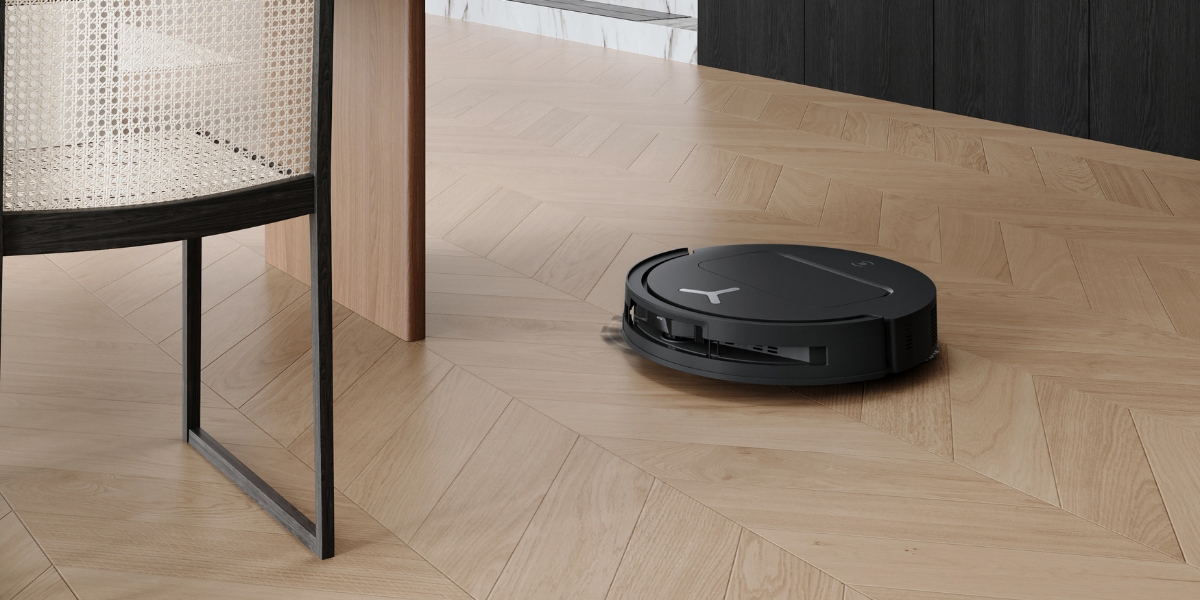
Smart home technology is becoming increasingly common in households around the world. Connected devices allow homeowners to control lighting, security systems, appliances, and climate settings through smartphones or voice assistants.
These technologies improve convenience, energy efficiency, and security while simplifying daily tasks. As smart home ecosystems become more sophisticated, consumers are integrating multiple devices into seamless automated environments.
The growth of connected living reflects a broader trend toward leveraging technology to improve quality of life and optimize household management.
The Digital Entertainment Revolution
Entertainment consumption has changed dramatically in recent years. Streaming platforms, online gaming, virtual events, and interactive media have become dominant forms of leisure activity.
Consumers now expect personalized content recommendations and on-demand access to entertainment experiences. Advances in virtual reality and augmented reality are creating immersive environments that redefine how people engage with media.
The digital entertainment industry continues to expand as technology enables more innovative and engaging experiences.
Personalized Consumer Experiences
Modern consumers increasingly expect products and services tailored to their individual preferences. Advances in data analytics and artificial intelligence have enabled businesses to deliver highly personalized experiences across multiple industries.
From customized shopping recommendations to personalized health plans and curated content feeds, consumers benefit from solutions designed specifically for their needs.
Personalization enhances convenience and satisfaction while helping businesses build stronger relationships with customers.
Examples of Personalization Trends
- Customized online shopping experiences
- Personalized fitness programs
- AI-driven content recommendations
- Tailored educational courses
- Customized financial planning tools
- Personalized healthcare services
The Importance of Mental Well-Being
Mental health awareness has grown significantly in recent years. Individuals are increasingly recognizing the importance of emotional well-being and taking proactive steps to manage stress and maintain mental balance.
Employers, educational institutions, and healthcare providers are investing in mental wellness programs that promote resilience, mindfulness, and emotional support.
The normalization of mental health discussions has encouraged people to seek help when needed and prioritize self-care as an essential aspect of overall wellness.
Experience-Driven Consumer Behavior
Consumers are increasingly prioritizing experiences over material possessions. Travel, personal development, unique events, and meaningful activities are becoming more valuable than traditional forms of consumption.
This trend reflects a desire for memorable experiences that contribute to personal growth and happiness. Businesses across various industries are responding by creating immersive and experiential offerings that engage consumers on a deeper level.
Experience-driven behavior is particularly prominent among younger generations who value authenticity, adventure, and meaningful connections.
The Rise of Lifelong Learning
Continuous learning has become a necessity in today`s rapidly changing world. Technological advancements and evolving job markets require individuals to regularly update their knowledge and skills.
Online courses, digital certifications, professional development programs, and educational platforms have made lifelong learning more accessible than ever before.
People are increasingly investing in personal and professional growth to remain competitive and adaptable in an evolving economy.
Popular Areas of Continuous Learning
- Technology and programming
- Digital marketing
- Business management
- Language learning
- Personal finance
- Leadership development
What the Future Holds
The lifestyle trends shaping 2026 are likely to continue evolving as technology advances and societal priorities shift. Sustainability, wellness, flexibility, personalization, and digital connectivity will remain major influences on consumer behavior and daily life.
Individuals who embrace these trends can position themselves to take advantage of new opportunities while improving their overall quality of life. Businesses that understand and respond to changing consumer preferences will be better equipped to succeed in competitive markets.
As innovation accelerates, the ability to adapt and remain open to change will become increasingly important for both individuals and organizations.
Conclusion
The modern lifestyle is being shaped by a combination of technological innovation, environmental awareness, health consciousness, and evolving social values. From sustainable living and smart homes to personalized experiences and lifelong learning, these trends are transforming how people navigate everyday life.
Understanding these developments provides valuable insights into the future of society and the opportunities that lie ahead. As the world continues to evolve, embracing positive lifestyle changes can help individuals achieve greater well-being, productivity, and fulfillment.
The trends emerging in 2026 represent more than temporary shifts—they reflect fundamental changes in how people define success, happiness, and quality of life in the modern era.