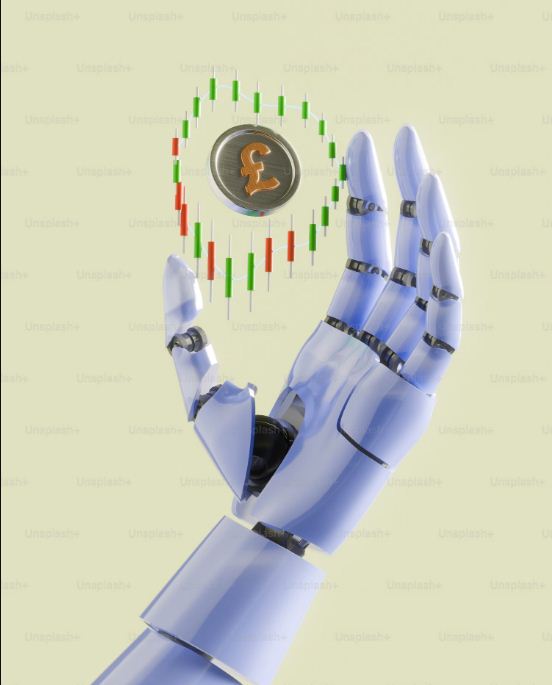
In 2026, small businesses are no longer competing with just local stores or nearby service providers. They are now operating in a highly digital, AI-driven global marketplace. Artificial Intelligence (AI) is no longer limited to big corporations with massive budgets. Today, small businesses are leveraging AI tools to automate operations, improve customer service, increase sales, and reduce costs.
The rise of AI-powered small businesses marks one of the most important transformations in modern entrepreneurship. From chatbots and automated accounting systems to AI marketing tools and predictive analytics, small business owners are embracing technology at an unprecedented rate.
Why AI Is Becoming Essential for Small Businesses
AI technology has become more affordable and accessible. Cloud-based tools, subscription software, and automation platforms allow even startups to implement advanced systems without heavy investment.
Here are the main reasons why AI adoption is accelerating:
1. Cost Reduction
AI helps reduce labor costs by automating repetitive tasks such as email responses, appointment scheduling, inventory management, and data entry. This allows small teams to focus on strategic growth activities instead of routine work.
2. Better Customer Experience
AI-powered chatbots and CRM systems can respond instantly to customer queries 24/7. Personalized recommendations based on previous behavior increase customer satisfaction and boost loyalty.
3. Smarter Marketing Strategies
Marketing has become data-driven. AI tools analyze customer data to identify trends, optimize ad targeting, and predict buying behavior. This improves ROI and reduces wasted advertising budgets.
Popular AI Tools Small Businesses Are Using
Several AI platforms have become extremely popular among small business owners in 2026. These tools simplify complex processes and improve efficiency.
AI Chatbots
Chatbots handle customer service inquiries, booking systems, and even product recommendations. They reduce response time and improve engagement.
AI Accounting Software
Automated bookkeeping tools track expenses, generate reports, and manage taxes with minimal human involvement.
AI Content Creation
Small businesses use AI to generate blog posts, social media captions, product descriptions, and email campaigns. This saves time and maintains consistency.
Inventory Prediction Systems
Retail businesses use predictive analytics to forecast demand and manage stock efficiently, reducing losses due to overstock or shortages.
Impact on Employment
There is often concern that AI will eliminate jobs. However, in small businesses, AI is more about augmentation than replacement. It supports employees by handling repetitive tasks while humans focus on creativity, relationship-building, and strategy.
New job roles are also emerging, such as AI tool managers, automation specialists, and digital analysts. The workforce is evolving rather than disappearing.
Challenges of AI Adoption
Despite its benefits, AI adoption comes with challenges:
- Initial learning curve
- Data privacy concerns
- Integration with existing systems
- Dependence on internet infrastructure
Small business owners must invest time in understanding tools and ensuring compliance with data protection regulations.
Future of AI-Powered Entrepreneurship
The future of small businesses is deeply connected with AI innovation. As machine learning becomes more advanced, tools will become even smarter, more affordable, and easier to use.
We can expect hyper-personalized marketing, fully automated supply chains, voice-commerce integration, and AI-powered financial forecasting to become standard features for small businesses.
How Small Business Owners Can Start
If you are a small business owner looking to adopt AI, start with these simple steps:
- Identify repetitive tasks in your business.
- Research affordable AI tools that solve specific problems.
- Start small and scale gradually.
- Train your team to use technology effectively.
- Monitor performance and adjust strategies.
Conclusion
The rise of AI-powered small businesses in 2026 represents a major shift in the global economy. Entrepreneurs who embrace AI technology will gain competitive advantages, improve efficiency, and unlock new growth opportunities.
Rather than fearing automation, small business owners should view AI as a powerful assistant — one that works 24/7, reduces errors, and helps make smarter decisions.
In this digital age, innovation is not optional. It is essential. And AI is leading the way.