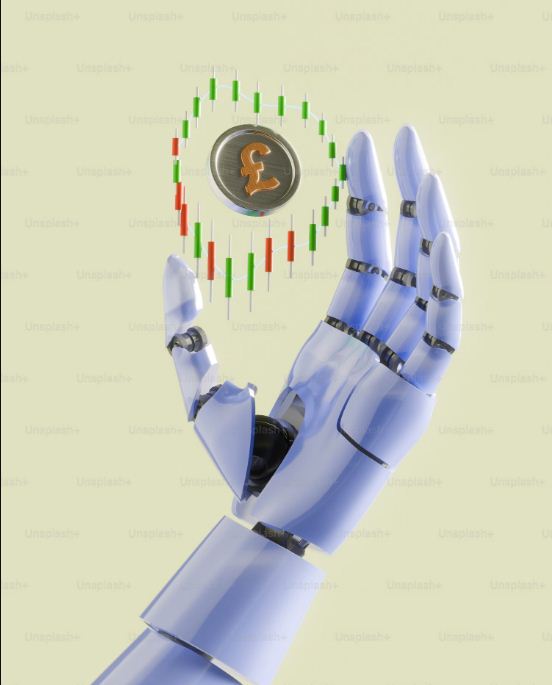
The business world is changing faster than ever before. In 2026, companies are no longer defined only by physical offices, traditional management structures, or local markets. Digital transformation, artificial intelligence, remote work, and global connectivity have completely reshaped how businesses operate. From startups to multinational corporations, every organization must adapt or risk falling behind.
In this article, we will explore how modern businesses are evolving, the key trends driving change, and what the future holds for entrepreneurs and organizations worldwide.
Digital Transformation: The Core of Modern Business
Digital transformation is no longer optional. Businesses that once relied on manual processes are now adopting cloud computing, automation, and data-driven decision-making. Digital tools help companies improve efficiency, reduce costs, and enhance customer experiences.
From online payment systems to customer relationship management (CRM) software, technology has become the backbone of modern business operations. Companies that invest in digital infrastructure gain a competitive edge by responding faster to market changes.
The Rise of Artificial Intelligence in Business
Artificial intelligence (AI) is revolutionizing industries across the globe. Businesses are using AI to analyze customer behavior, predict market trends, and automate repetitive tasks. Chatbots, recommendation engines, and predictive analytics are now common tools in many organizations.
AI-powered systems allow businesses to make smarter decisions with greater accuracy. For example, retail companies can forecast demand, while financial institutions can detect fraud in real time. As AI continues to evolve, its impact on business will only grow stronger.
AI and Workforce Transformation
While some fear that AI will replace jobs, the reality is more balanced. AI is transforming the workforce by creating new roles and enhancing human capabilities. Employees are now focusing on creative, strategic, and problem-solving tasks while machines handle routine work.
Remote Work and Global Teams
The concept of work has changed dramatically. Remote and hybrid work models have become standard for many businesses. Companies are no longer limited to hiring talent from a single city or country. Instead, they can build global teams with diverse skills and perspectives.
This shift has reduced operational costs and increased employee satisfaction. Workers enjoy better work-life balance, while businesses benefit from higher productivity and access to a broader talent pool.
E-Commerce and Online Business Growth
E-commerce continues to dominate the business landscape. Online stores, digital marketplaces, and social media commerce have transformed how consumers shop. Even traditional brick-and-mortar businesses are expanding their online presence to stay relevant.
With mobile shopping, fast delivery, and secure payment systems, customers expect convenience and speed. Businesses that provide seamless online experiences are more likely to build customer loyalty and long-term success.
The Role of Social Media in Business
Social media platforms have become powerful business tools. Companies use social media for branding, customer engagement, and direct sales. Influencer marketing and content-driven strategies help businesses reach targeted audiences more effectively than traditional advertising.
Sustainability and Ethical Business Practices
Modern consumers care about more than just price and quality. Sustainability and ethical practices play a major role in purchasing decisions. Businesses are now focusing on reducing environmental impact, using renewable energy, and adopting fair labor practices.
Companies that prioritize sustainability not only help the planet but also strengthen their brand image. Transparency and corporate social responsibility build trust and long-term relationships with customers.
Entrepreneurship in the Digital Era
Starting a business has become easier than ever. Digital tools, online platforms, and global markets provide entrepreneurs with endless opportunities. From freelancing to tech startups, individuals can turn ideas into profitable ventures with minimal investment.
However, competition is also intense. Successful entrepreneurs focus on innovation, customer needs, and continuous learning. Adaptability is the key to survival in the modern business environment.
Challenges Facing Businesses Today
Despite rapid growth and innovation, businesses face several challenges. Cybersecurity threats, economic uncertainty, and changing regulations require constant attention. Companies must invest in data protection and stay updated with legal requirements.
Additionally, maintaining company culture in remote environments and managing digital fatigue among employees are ongoing concerns for business leaders.
The Future Outlook of Business
The future of business is dynamic and technology-driven. Automation, AI, blockchain, and virtual reality are expected to further reshape industries. Businesses that embrace change, invest in innovation, and prioritize customer experience will thrive.
In 2026 and beyond, success will belong to organizations that combine technology with human creativity. The ability to adapt, learn, and evolve will define the leaders of tomorrow.
Conclusion
Business is no longer just about selling products or services. It is about creating value, building relationships, and adapting to a rapidly changing world. The digital age has opened new doors for growth, innovation, and global collaboration.
By embracing digital transformation, ethical practices, and customer-centric strategies, businesses can secure a strong future. The journey may be challenging, but the opportunities are greater than ever before.