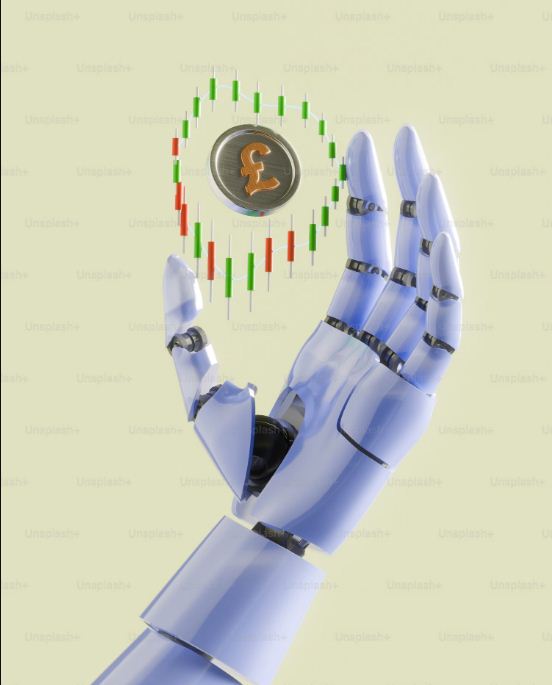
Business in 2026 looks dramatically different from what it was just a few years ago. The rapid rise of Artificial Intelligence (AI), automation, and digital transformation has changed the way companies operate, compete, and grow. From small startups to multinational corporations, organizations are rethinking their strategies to stay relevant in an increasingly technology-driven world.
Artificial Intelligence is no longer a futuristic concept — it is now a core component of business strategy. Companies that adopt AI effectively are seeing increased productivity, better decision-making, improved customer experiences, and higher profits. In this article, we explore how AI is reshaping global industries and what it means for the future of business.
The Rise of AI in Modern Business
AI technologies such as machine learning, natural language processing, and predictive analytics are now integrated into everyday business operations. From chatbots handling customer service to advanced algorithms predicting market trends, AI has become a powerful tool for innovation.
Automation and Operational Efficiency
One of the biggest advantages of AI is automation. Businesses are automating repetitive tasks like data entry, invoice processing, and customer queries. This not only reduces human error but also saves time and operational costs. Employees can now focus on more strategic and creative tasks rather than routine administrative work.
For example, manufacturing companies are using AI-powered robots to increase production efficiency while reducing waste. Logistics firms are using smart algorithms to optimize delivery routes and reduce fuel consumption.
Data-Driven Decision Making
Modern businesses generate massive amounts of data every day. AI helps organizations analyze this data quickly and accurately. Instead of relying on guesswork, business leaders can now make informed decisions based on real-time analytics.
Predictive analytics helps companies forecast customer behavior, market demand, and financial trends. This allows businesses to plan ahead and reduce risks significantly.
AI Transforming Key Industries
Retail and E-Commerce
AI has revolutionized the retail industry. Personalized product recommendations, smart inventory management, and dynamic pricing strategies are all powered by AI. E-commerce platforms use machine learning to analyze customer preferences and show relevant products, increasing sales and customer satisfaction.
Chatbots and virtual assistants provide 24/7 customer support, improving the shopping experience while reducing operational costs.
Finance and Banking
The financial sector is heavily investing in AI technologies. Fraud detection systems use machine learning to identify suspicious transactions in real time. AI-powered credit scoring systems evaluate customer risk more accurately than traditional methods.
Automated trading systems analyze market trends and execute trades within milliseconds, helping financial institutions maximize profits.
Healthcare Industry
In healthcare, AI assists doctors in diagnosing diseases faster and more accurately. AI-driven systems analyze medical images, detect abnormalities, and suggest treatment options. This improves patient outcomes and reduces medical errors.
Telemedicine platforms powered by AI are making healthcare more accessible, especially in remote areas.
Manufacturing and Supply Chain
Smart factories are becoming common worldwide. AI systems monitor machinery performance, predict maintenance needs, and reduce downtime. Supply chain management has also improved through AI-driven demand forecasting and inventory optimization.
The Role of AI in Customer Experience
Customer experience is now one of the most important factors for business success. AI allows companies to understand their customers better than ever before. By analyzing browsing behavior, purchase history, and feedback, businesses can offer personalized services.
Voice assistants, recommendation engines, and AI chat support create seamless interactions between companies and customers. This builds brand loyalty and increases retention rates.
Challenges of AI Adoption
Despite its advantages, AI adoption comes with challenges. High implementation costs, data privacy concerns, and the need for skilled professionals are major barriers for many organizations.
Workforce Transformation
Automation has raised concerns about job displacement. While AI may replace certain repetitive roles, it also creates new opportunities in data science, AI development, and digital strategy. Businesses must invest in employee training and reskilling programs to adapt to technological changes.
Ethical and Regulatory Issues
AI systems must be designed responsibly. Bias in algorithms, data misuse, and privacy violations can harm both customers and businesses. Governments around the world are introducing regulations to ensure ethical AI usage.
Small Businesses and AI Opportunities
AI is not only for large corporations. Cloud-based AI tools and affordable software solutions allow small businesses to compete effectively. From automated marketing campaigns to intelligent accounting software, small enterprises can leverage AI to grow faster and operate more efficiently.
Even startups are building AI-first business models, offering innovative services that disrupt traditional industries.
The Future Outlook: What to Expect by 2030
By 2030, AI is expected to become even more integrated into business operations. We may see fully autonomous supply chains, AI-driven strategic planning, and hyper-personalized customer experiences.
Businesses that fail to embrace digital transformation may struggle to survive. On the other hand, companies that invest in AI innovation will likely dominate their industries.
Human and AI Collaboration
The future of business is not about replacing humans with machines — it is about collaboration. AI will handle data-intensive tasks, while humans focus on creativity, leadership, and emotional intelligence. This balance will define successful organizations in the coming years.
Conclusion
Artificial Intelligence is reshaping global industries at an unprecedented pace. From improving operational efficiency to transforming customer experiences, AI has become a powerful driver of business growth. While challenges exist, the opportunities far outweigh the risks.
For businesses in 2026 and beyond, embracing AI is no longer optional — it is essential. Companies that adapt quickly, invest in innovation, and prioritize ethical practices will lead the next era of economic transformation.
The future of business is intelligent, automated, and data-driven. The question is not whether AI will change your industry — it already has. The real question is: Are you ready to evolve with it?