The gadget industry in 2026 is more innovative than ever. Technology is no longer just about convenience — it is about integration, intelligence, and seamless connectivity. From AI-powered smartphones to wearable health trackers and smart home ecosystems, next-generation gadgets are transforming how we live, work, and interact with the world around us.
Consumers today demand smarter, faster, and more personalized devices. As a result, tech companies are pushing boundaries, combining artificial intelligence, augmented reality, and advanced sensors into compact, powerful gadgets that fit into everyday life.
Smarter Smartphones Than Ever Before
Smartphones remain at the center of the digital ecosystem. However, in 2026, they are far more advanced than simple communication tools.
AI-Enhanced Performance
Modern smartphones now feature AI processors that optimize battery life, camera performance, and app usage automatically. Devices learn user behavior and adjust settings accordingly.
Advanced Camera Systems
With computational photography and 3D imaging, smartphone cameras rival professional equipment. AI stabilization, night mode enhancements, and real-time editing features allow users to create studio-quality content instantly.
Foldable and Flexible Displays
Flexible OLED screens are now more durable and affordable. Foldable devices combine the portability of phones with the screen size of tablets, improving productivity and entertainment experiences.
Wearable Technology Revolution
Wearable gadgets have evolved beyond simple fitness tracking. In 2026, they function as personal health assistants and productivity tools.
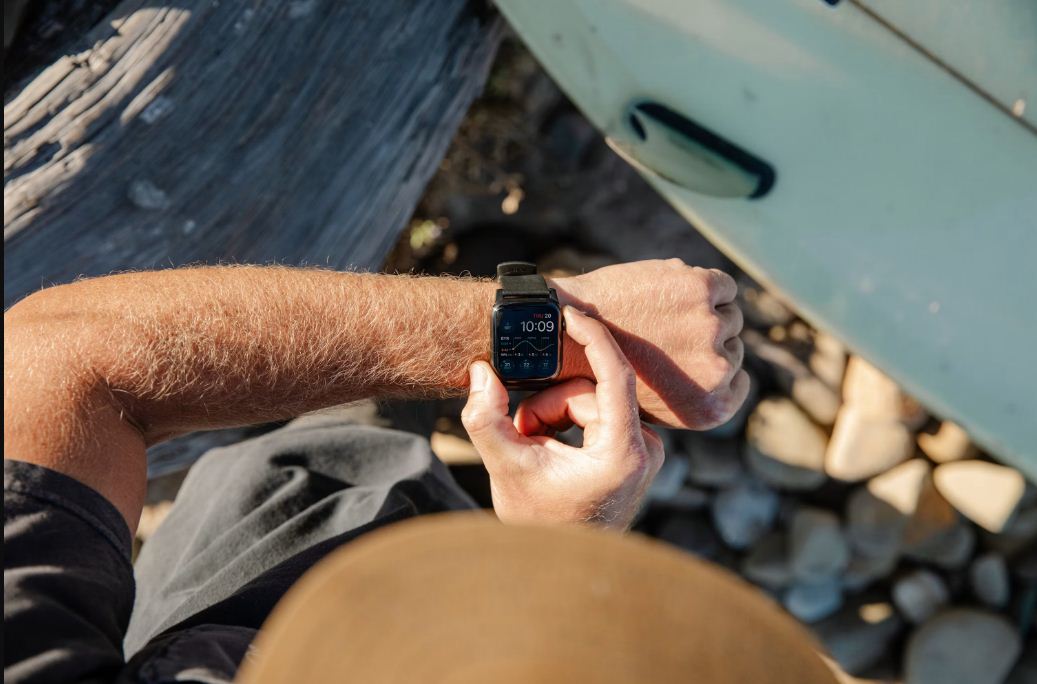
Smartwatches with Medical Monitoring
Advanced smartwatches now monitor heart rate variability, blood oxygen levels, sleep cycles, and even stress indicators. Some devices provide early warnings for potential health risks.
Smart Glasses and AR Integration
Augmented reality (AR) glasses overlay digital information onto the real world. Users can receive navigation directions, translation assistance, and notifications directly in their field of vision.
Fitness Wearables with AI Coaching
Fitness trackers now include AI-driven coaching that analyzes workout performance and suggests personalized training plans in real time.
Smart Home Ecosystems
Smart homes in 2026 are fully interconnected ecosystems. Devices communicate with each other seamlessly to improve comfort, energy efficiency, and security.
Voice-Controlled Assistants
Voice assistants are more intuitive, understanding natural language better than ever. They control lighting, thermostats, security cameras, and entertainment systems effortlessly.
Energy-Efficient Appliances
Smart appliances optimize electricity consumption based on usage patterns. Refrigerators monitor inventory, washing machines schedule energy-efficient cycles, and thermostats adjust automatically.
Advanced Home Security
AI-powered cameras recognize familiar faces and detect unusual activity. Real-time alerts and remote monitoring provide enhanced peace of mind.
Portable Productivity Gadgets
Remote work continues to influence gadget innovation. Lightweight laptops, wireless keyboards, noise-canceling earbuds, and portable monitors are now designed for mobility and performance.
Ultra-Light Laptops
New-generation laptops combine powerful processors with extended battery life, enabling professionals to work efficiently from anywhere.
Noise-Canceling Earbuds
Improved active noise cancellation and crystal-clear microphones make virtual meetings smoother and more professional.
Gaming and Entertainment Innovations
Gaming gadgets in 2026 deliver immersive experiences powered by cloud computing and advanced graphics processing.
Cloud Gaming Devices
Gamers can stream high-performance games without expensive consoles. Fast internet connectivity allows seamless gameplay on multiple devices.
Virtual Reality (VR) Headsets
VR headsets now offer higher resolution, lighter designs, and wireless connectivity. They are used not only for gaming but also for education, training, and virtual collaboration.
Eco-Friendly Gadget Trends
Sustainability has become a key focus in the gadget industry. Manufacturers are using recycled materials and designing energy-efficient devices to reduce environmental impact.
Longer Device Lifecycles
Modular designs allow users to upgrade components instead of replacing entire devices, reducing electronic waste.
Solar-Powered Accessories
Portable solar chargers and eco-friendly power banks provide renewable energy solutions for mobile devices.
Challenges in the Gadget Industry
Data Privacy Concerns
As devices become smarter, they collect more user data. Ensuring privacy and security remains a critical challenge.
Rapid Obsolescence
Technology evolves quickly, making gadgets outdated within a few years. Consumers seek durable devices that offer long-term value.
Affordability Issues
While innovation grows, high prices can limit accessibility. Companies are working to balance advanced features with affordable pricing.
The Future of Smart Gadgets
Looking ahead, gadgets will become even more integrated with artificial intelligence and the Internet of Things (IoT). Devices will anticipate user needs, automate daily tasks, and provide real-time solutions without manual input.
Brain-computer interfaces, holographic displays, and next-level augmented reality may soon move from experimental labs to consumer markets. As technology continues advancing, the line between digital and physical worlds will blur further.
Conclusion
Next-generation gadgets in 2026 are not just tools — they are intelligent companions that enhance productivity, health, entertainment, and communication. From smart homes and wearable health monitors to immersive gaming systems, innovation is reshaping daily life.
As technology becomes more personalized and sustainable, consumers can expect devices that are smarter, more efficient, and deeply integrated into their routines. The future of gadgets is not only about advanced features — it is about creating meaningful experiences that improve the quality of life.