The world in 2026 looks dramatically different from just a decade ago. Rapid technological advancements, evolving social values, and changing work cultures have reshaped how people live, work, and interact. The modern lifestyle is defined by flexibility, digital connectivity, wellness awareness, and global influence.
Understanding the defining features of today’s lifestyle helps individuals and businesses adapt to ongoing transformation. From remote work environments to smart homes and personalized experiences, modern living is more dynamic and fast-paced than ever before.
1. Remote and Hybrid Work Culture
One of the most significant features shaping modern life is the shift toward remote and hybrid work models.
Flexible Work Environments
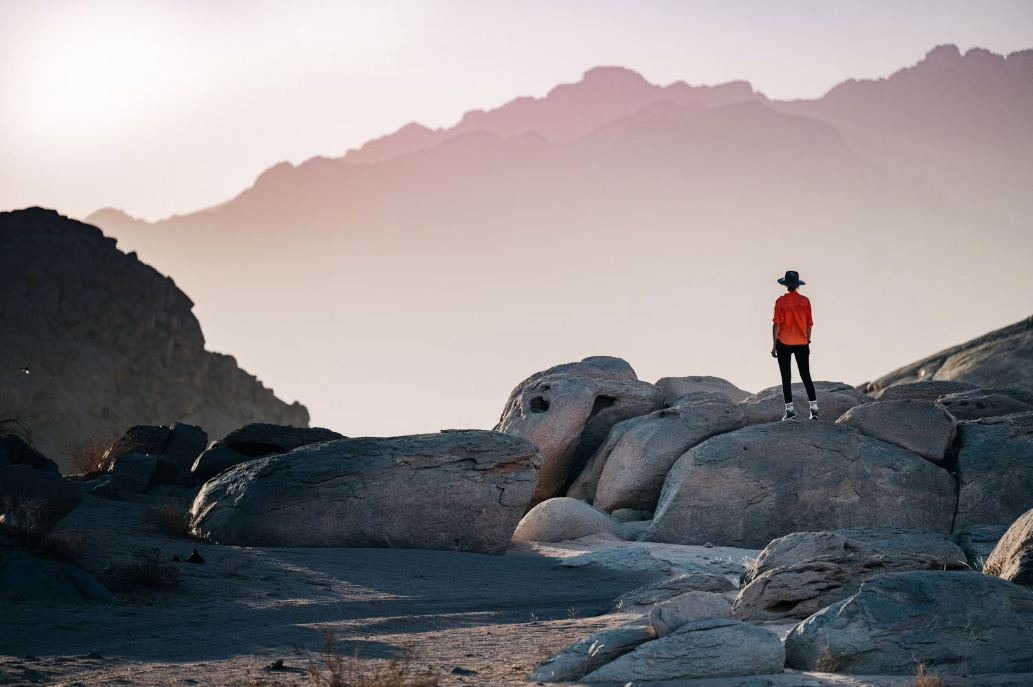
Many professionals now work from home, co-working spaces, or even while traveling. The traditional 9-to-5 office routine is gradually being replaced by flexible schedules focused on productivity rather than physical presence.
Digital Collaboration Tools
Video conferencing platforms, cloud-based software, and team management applications enable seamless collaboration across continents. Global teams now function efficiently without geographical limitations.
Work-Life Balance
Flexibility has improved work-life balance for many people. However, it also requires strong discipline to separate professional and personal time effectively.
2. Smart Living and Connected Homes
Technology is deeply integrated into daily life. Smart homes are no longer a luxury — they are becoming standard in urban living.
Voice-Controlled Devices
Smart assistants allow homeowners to control lighting, temperature, security, and entertainment systems using simple voice commands.
Energy Efficiency
Modern homes are designed to conserve energy through automated systems that reduce electricity waste and lower environmental impact.
Enhanced Security
Smart cameras, motion detectors, and remote monitoring apps provide homeowners with greater peace of mind.
3. Health-Conscious Living
Health and wellness have become central features of modern lifestyles. People are more aware of physical and mental well-being than ever before.
Fitness Tracking Technology
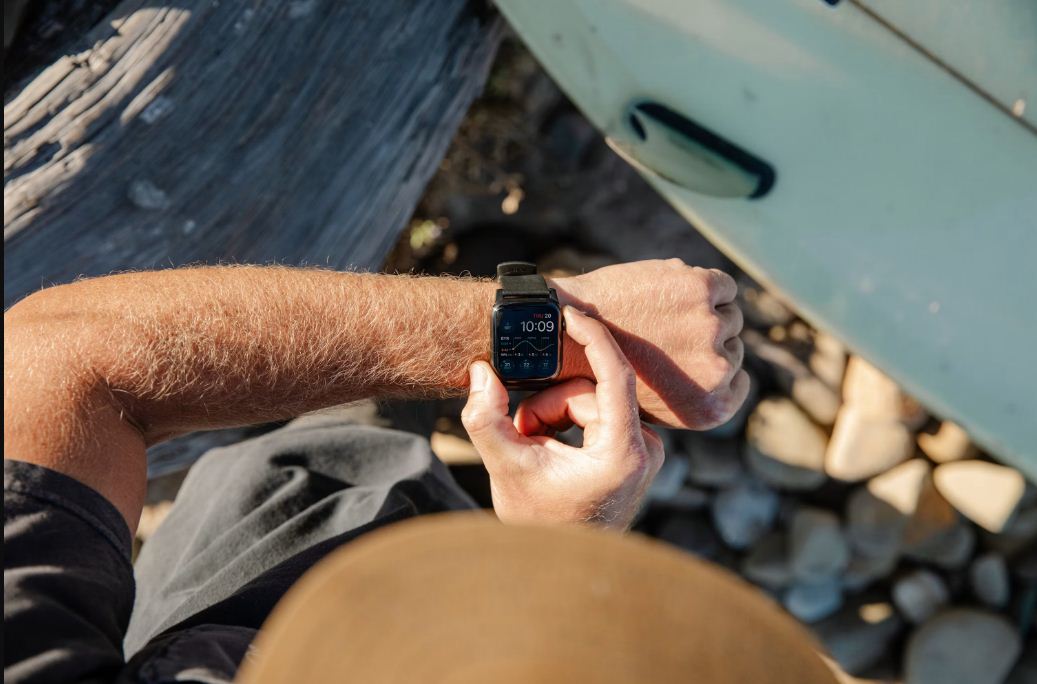
Wearable devices monitor heart rate, sleep patterns, calorie intake, and activity levels, helping individuals maintain healthier habits.
Mental Health Awareness
Open conversations about stress, anxiety, and work pressure have reduced stigma. Meditation apps and online therapy platforms are widely used.
Balanced Nutrition
Organic foods, plant-based diets, and personalized nutrition plans are gaining popularity globally.
4. Digital Entertainment and Content Consumption
Entertainment habits have changed significantly in recent years. Streaming platforms, short-form videos, and interactive content dominate leisure time.
On-Demand Streaming
Users now prefer watching content whenever and wherever they want, rather than following fixed television schedules.
Content Creation Boom
Social media has empowered individuals to become creators. Influencers, vloggers, and podcasters have built full-time careers through digital platforms.
Personalized Recommendations
Algorithms suggest content based on user preferences, making entertainment experiences highly customized.
5. Sustainable and Eco-Friendly Choices
Environmental awareness is another defining feature of modern living.
Eco-Friendly Products
Consumers are choosing sustainable brands that reduce plastic waste and carbon emissions.
Electric Vehicles
The adoption of electric vehicles is rising as people seek cleaner transportation alternatives.
Minimalist Living
Many individuals are embracing minimalism, focusing on quality over quantity and reducing unnecessary consumption.
6. Personalized Experiences
Customization is at the heart of modern consumer behavior.
Tailored Shopping Experiences
Online stores analyze browsing history to recommend products suited to individual preferences.
Customized Learning and Career Paths
Education platforms provide personalized learning journeys based on skills and interests.
Targeted Marketing
Brands use data analytics to deliver highly relevant advertisements and offers.
7. Global Connectivity
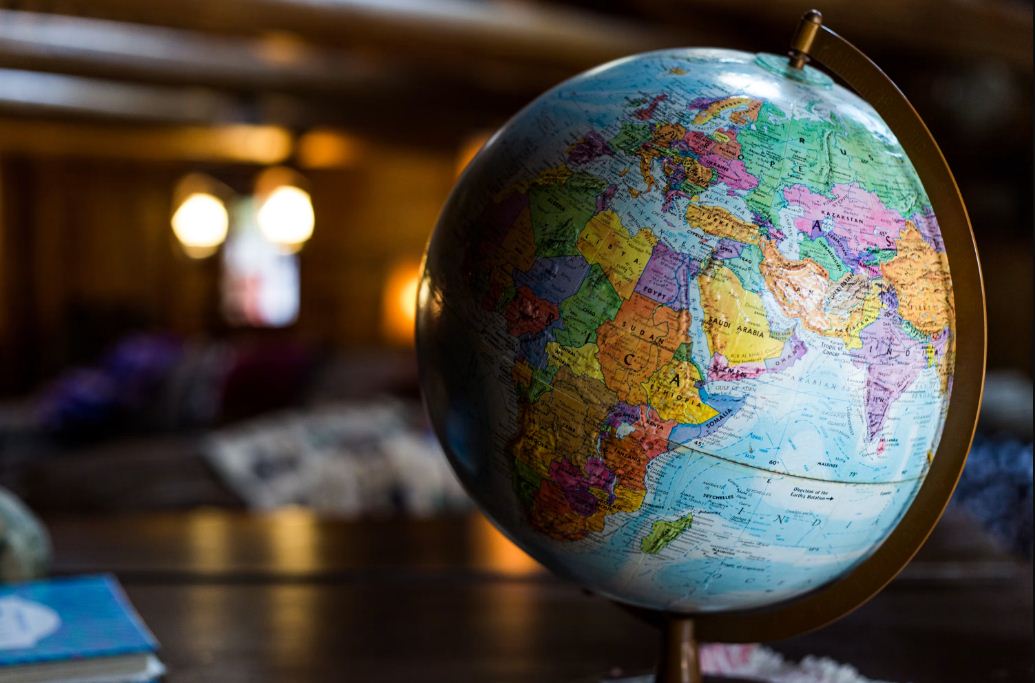
Modern life is deeply interconnected. Social media, messaging apps, and global networks enable real-time communication worldwide.
Cross-Cultural Influence
Fashion, music, food, and trends spread globally within days through online platforms.
Remote Opportunities
People can work, study, or collaborate internationally without relocating permanently.
Challenges of the Modern Lifestyle
While modern features bring convenience and efficiency, they also introduce new challenges.
Digital Dependency
Excessive reliance on technology may reduce face-to-face interactions and impact mental health.
Information Overload
Constant notifications and endless online content can create stress and distraction.
Privacy Concerns
With increased data collection, maintaining digital privacy is becoming more complex.
The Future of Modern Living
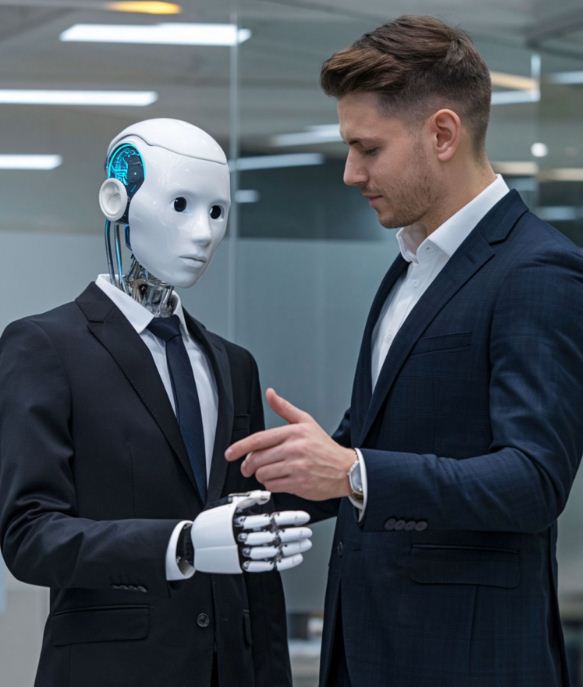
Looking ahead, innovation will continue shaping lifestyles. Artificial intelligence, virtual reality, and smart infrastructure will further enhance convenience and personalization.
However, balance will be crucial. Combining technology with human connection, sustainability, and wellness will define successful living in the years to come.
Conclusion
The defining features of modern life in 2026 reflect a world driven by technology, flexibility, sustainability, and personalization. From remote work and smart homes to digital entertainment and eco-friendly choices, lifestyles have evolved dramatically.
Understanding these features helps individuals stay adaptable in a rapidly changing environment. The modern lifestyle offers immense opportunities — but thriving in it requires balance, awareness, and continuous growth.
As innovation continues, one thing is clear: the way we live today is only the beginning of an even more connected and intelligent future.