Social media has transformed the political landscape across the world. Platforms such as Facebook, X, Instagram, TikTok, and YouTube have changed how political leaders communicate, how citizens access information, and how elections are influenced. In the modern digital age, political discussions no longer occur only through television debates, newspapers, or public rallies. Instead, millions of people engage with political content online every day.
The rise of social media has created new opportunities for political participation, public awareness, and freedom of expression. At the same time, it has also introduced challenges such as misinformation, online polarization, fake news, and digital manipulation. Governments, political parties, journalists, and citizens are all adapting to this rapidly changing communication environment.
Understanding the role of social media in modern politics is essential because digital platforms now influence elections, public opinion, policymaking, and global political movements.
The Evolution of Political Communication
Before the internet era, political communication depended mainly on newspapers, radio broadcasts, television channels, and public events. Political leaders relied heavily on journalists and media organizations to deliver messages to the public.
Social media changed this model completely by allowing politicians to communicate directly with citizens without relying entirely on traditional media channels.
Today, political leaders can post updates instantly, respond to public reactions, broadcast live speeches, and engage with supporters online in real time.
The Role of Social Media in Political Campaigns
Political campaigns increasingly depend on digital platforms to reach voters, raise funds, and promote political messages.
Direct Communication with Voters
Social media allows politicians to communicate directly with citizens without intermediaries. Candidates can share speeches, policy ideas, campaign events, and personal opinions instantly.
This direct communication helps political figures build stronger connections with supporters and increase public engagement.
Targeted Advertising
Digital platforms use algorithms and user data to support highly targeted political advertising. Campaigns can reach specific audiences based on location, age, interests, and online behavior.
This targeted approach makes political advertising more efficient and cost-effective than traditional media campaigns.
Fundraising and Volunteer Mobilization
Social media platforms help political campaigns raise funds and recruit volunteers quickly. Online donation systems make it easier for supporters to contribute financially to political movements.
Social Media and Public Participation
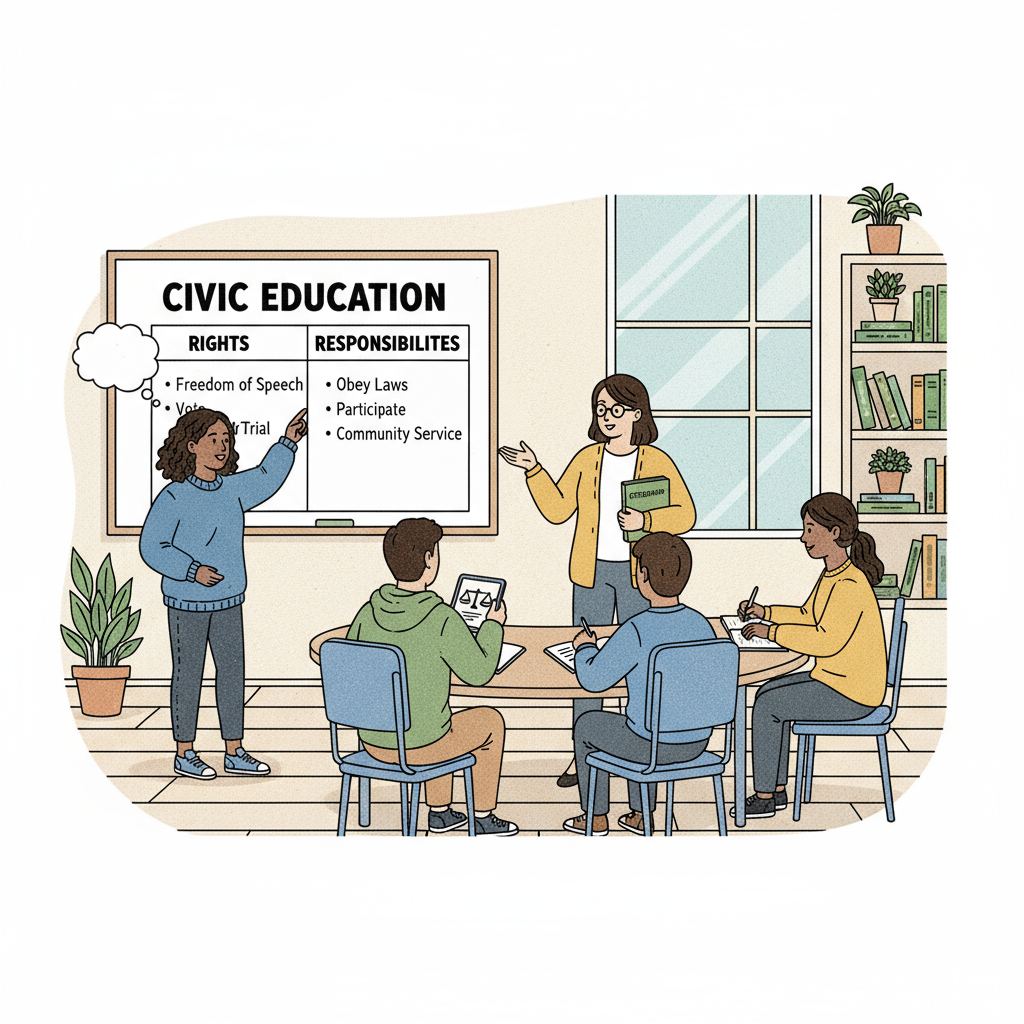
Social media has increased political participation by making political discussions more accessible to ordinary citizens.
Greater Public Engagement
People can now share opinions, comment on political issues, and participate in debates online. Social media encourages citizens to engage more actively in democratic processes.
Youth Involvement in Politics
Younger generations are especially influenced by social media platforms. Many young voters access political information primarily through digital channels instead of traditional news sources.
Citizen Journalism
Social media allows ordinary people to report events, share videos, and provide information directly from the scene of political developments or protests.
The Rise of Political Influencers
Political influencers and online content creators now play major roles in shaping public opinion.
Popular influencers often discuss political topics, social issues, and government policies with large online audiences. Their opinions can significantly influence voter attitudes and public discussions.
Podcasts, livestreams, and video content have become powerful tools for political communication and audience engagement.
The Problem of Misinformation and Fake News
One of the biggest challenges of social media in politics is the spread of misinformation and fake news.
Rapid Spread of False Information
False news stories can spread quickly online because users often share content without verifying accuracy. Viral misinformation can influence public opinion and create confusion.
Manipulated Content and Deepfakes
Advancements in artificial intelligence have made it easier to create manipulated videos, images, and audio recordings known as deepfakes.
These technologies can damage reputations, spread propaganda, and create distrust among citizens.
Algorithmic Amplification
Social media algorithms often prioritize sensational or emotionally charged content because it generates more engagement. This can unintentionally promote misinformation and political extremism.
Political Polarization and Online Echo Chambers
Social media can contribute to political polarization by exposing users primarily to opinions similar to their own.
Echo Chambers
Algorithms often recommend content that aligns with users’ existing beliefs, creating online echo chambers where people rarely encounter opposing viewpoints.
Increased Political Divisions
Constant exposure to one-sided information can strengthen political divisions and reduce constructive dialogue between different groups.
Online Harassment
Political discussions online sometimes lead to harassment, hate speech, and toxic behavior, discouraging healthy democratic debate.
Social Media and Political Activism
Social media has become a powerful tool for political activism and social movements worldwide.
Organizing Protests and Campaigns
Activists use social media to organize protests, raise awareness, and coordinate campaigns quickly and efficiently.
Global Awareness
Digital platforms help local issues gain international attention. Videos and live broadcasts from protests can reach global audiences within minutes.
Hashtag Movements
Hashtags have become symbols of social and political movements, helping users unite around common causes and spread awareness online.
The Role of Governments and Regulations
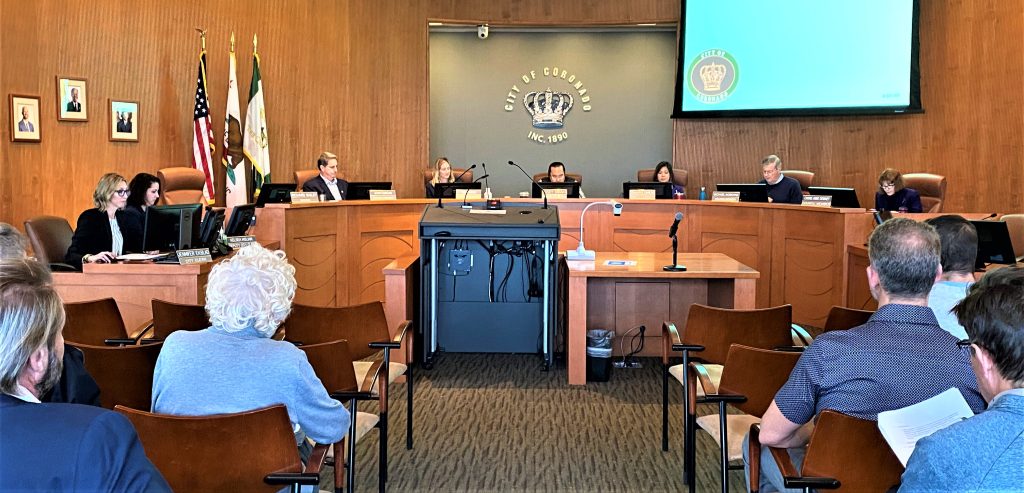
Governments worldwide are debating how to regulate social media platforms while protecting freedom of speech.
Content Moderation
Social media companies use moderation systems to remove harmful or misleading content. However, balancing free expression with content control remains controversial.
Election Security
Governments are increasingly concerned about foreign interference, fake accounts, and misinformation campaigns during elections.
Privacy and Data Protection
Political campaigns often use personal data for targeted advertising, raising concerns about privacy and ethical data use.
The Influence of Artificial Intelligence
Artificial Intelligence is playing a growing role in political communication and social media management.
AI-Powered Recommendations
Algorithms personalize political content feeds based on user behavior and preferences.
Automated Bots
Political groups sometimes use automated social media bots to amplify messages or manipulate online discussions.
Data Analysis and Predictive Campaigning
AI tools analyze voter behavior and help campaigns create more targeted political strategies.
The Future of Social Media and Politics
Social media will likely continue shaping politics and democracy in the future. Emerging technologies such as virtual reality, artificial intelligence, and decentralized social networks may further transform political communication.
Governments, technology companies, journalists, and citizens will need to work together to address challenges related to misinformation, online safety, and ethical digital practices.
Media literacy and critical thinking skills will become increasingly important as people navigate large amounts of online information.
How Citizens Can Use Social Media Responsibly
Verify Information
Users should confirm information through reliable sources before sharing political content online.
Engage Respectfully
Constructive discussions and respectful communication help promote healthy democratic dialogue.
Protect Personal Data
Citizens should be cautious about sharing personal information online and understand how platforms use their data.
Follow Diverse Sources
Reading opinions from different perspectives helps reduce bias and improve understanding of political issues.
Conclusion
Social media has become one of the most influential forces in modern politics and democracy. It has changed political communication, increased public participation, and created new opportunities for activism and engagement.
However, challenges such as misinformation, political polarization, privacy concerns, and online manipulation also threaten democratic systems and public trust.
As digital platforms continue evolving, responsible use of social media, stronger media literacy, and balanced regulations will play essential roles in protecting democratic values and promoting informed political participation in the future.