Health and fitness have become more than just trends—they are now essential components of a successful and balanced life. In 2026, people are more aware than ever of the importance of maintaining physical strength, mental clarity, and emotional stability. With busy lifestyles, digital work environments, and increasing stress levels, prioritizing health is no longer optional—it is necessary.
Modern fitness is not just about building muscles or losing weight. It is about creating sustainable habits that support long-term well-being. From smart fitness tracking devices to personalized nutrition plans, the health industry has evolved to meet the needs of today’s fast-paced world.
The Shift Toward Holistic Health
In the past, fitness focused mainly on physical appearance. Today, the focus has shifted toward holistic health—combining physical fitness, mental wellness, nutrition, sleep, and stress management.
Physical Wellness
Regular exercise strengthens the heart, improves muscle tone, enhances flexibility, and boosts overall energy levels. Whether it’s strength training, cardio workouts, yoga, or sports, staying active reduces the risk of chronic diseases.
Mental Wellness
Mental health is now considered equally important as physical health. Practices such as meditation, mindfulness, and deep breathing exercises help reduce anxiety and improve concentration.
Emotional Balance
Maintaining healthy relationships, managing stress, and ensuring work-life balance contribute significantly to overall wellness.
Technology in Fitness
Technology has transformed the way people approach health and fitness. Smart devices and fitness apps provide real-time insights into performance and health metrics.
Wearable Fitness Trackers
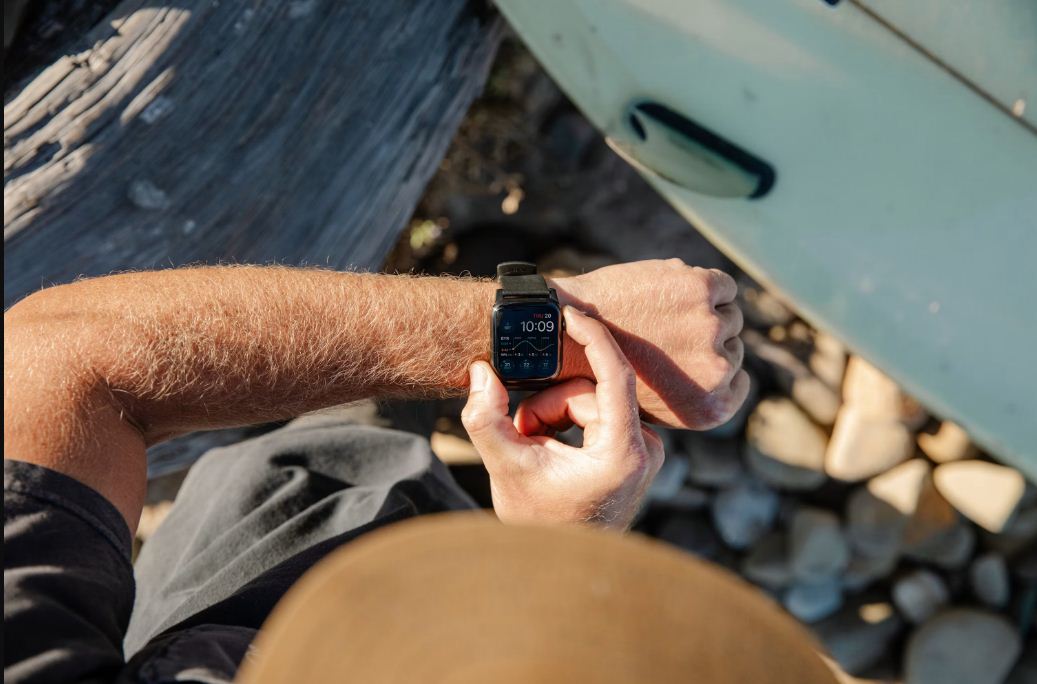
Smartwatches and fitness bands track steps, heart rate, sleep patterns, calories burned, and even stress levels. These insights help individuals make informed lifestyle choices.
Online Workout Programs
Virtual fitness classes allow people to exercise from home. Live-streamed sessions and recorded programs provide flexibility for busy schedules.
AI-Powered Personal Trainers
Artificial intelligence now creates personalized workout routines based on body type, fitness goals, and progress tracking.
Strength Training vs. Cardio
Both strength training and cardiovascular exercise play crucial roles in a balanced fitness routine.
Benefits of Strength Training
- Builds muscle mass
- Boosts metabolism
- Improves bone density
- Enhances body posture
Benefits of Cardio
- Strengthens the heart
- Burns calories effectively
- Improves lung capacity
- Reduces stress
A combination of both ensures optimal results and prevents workout monotony.
The Importance of Nutrition
Exercise alone is not enough. Nutrition fuels the body and supports recovery. In 2026, personalized diet plans are becoming more popular.
Balanced Diet Essentials
- Lean proteins for muscle repair
- Complex carbohydrates for energy
- Healthy fats for brain function
- Vitamins and minerals for immunity
- Proper hydration for overall performance
Many individuals now focus on whole foods, reducing processed sugar, and maintaining portion control.
The Role of Sleep in Fitness
Sleep is often underestimated, yet it is critical for muscle recovery and mental performance. Adults typically require 7–9 hours of quality sleep per night.
Proper sleep improves focus, boosts immune function, and supports hormone balance. Poor sleep can negatively affect workout performance and overall health.
Mental Health and Stress Management
Chronic stress can lead to serious health problems including high blood pressure and weakened immunity. Incorporating relaxation techniques into daily routines is essential.
Effective Stress-Relief Practices
- Meditation and mindfulness
- Yoga and stretching exercises
- Regular outdoor walks
- Digital detox periods
- Journaling and self-reflection
Balancing work responsibilities with personal time helps maintain emotional well-being.
Common Fitness Mistakes to Avoid
Overtraining
Exercising excessively without rest can lead to injuries and fatigue. Recovery days are necessary for muscle growth.
Ignoring Nutrition
Skipping meals or following extreme diets can harm long-term health.
Inconsistent Routine
Consistency matters more than intensity. Sustainable habits produce lasting results.
Lack of Proper Form
Incorrect exercise technique increases the risk of injury. Professional guidance or proper research is important.
Building a Sustainable Fitness Lifestyle
Instead of focusing on quick results, individuals are now adopting long-term fitness strategies.
- Set realistic goals
- Track progress regularly
- Celebrate small achievements
- Stay consistent
- Adapt routines when necessary
Fitness should be enjoyable rather than a burden. Finding activities that align with personal interests increases motivation.
The Future of Health & Fitness
The future of fitness is personalized, technology-driven, and preventive. Health monitoring tools may soon detect early signs of illness before symptoms appear.
Corporate wellness programs are expanding, encouraging employees to maintain active lifestyles. Governments and communities are promoting public fitness initiatives to reduce healthcare costs.
In the coming years, fitness will continue blending physical training, mental wellness, and digital innovation to create comprehensive health solutions.
Conclusion
Health and fitness in 2026 are about balance, awareness, and sustainability. By combining regular exercise, proper nutrition, quality sleep, and mental care, individuals can achieve long-term well-being.
The journey toward better health does not require perfection—only consistency and commitment. In a fast-moving digital world, prioritizing your health is the greatest investment you can make in yourself.