Introduction
Education is entering a transformative era. From physical classrooms to virtual platforms, from chalkboards to interactive screens, learning is evolving faster than any period in history. Digital learning is no longer a temporary experiment — it is becoming the backbone of modern education. Schools, universities, and learners across the globe are now adapting to hybrid models, AI-assisted learning, and skills-based education. The question is not whether digital learning will expand, but how it will continue shaping the future of knowledge and skill development.
What digital education really means today
Digital education is not just online classes. It includes:
- Smart classrooms and digital boards
- E-learning platforms and virtual campuses
- AI tutors and personalized learning paths
- VR/AR simulations for practical and technical training
- Mobile learning for students without stable campus access
- Self-paced micro-courses to upskill anytime
These tools make learning more flexible, scalable, and inclusive — stepping beyond traditional boundaries of time, location, and resources.
Why digital learning is growing so fast
Several factors are fueling the global shift:
- Internet access is expanding — Even in developing regions, mobile data and broadband access continues to grow, connecting millions more learners.
- Technology became affordable — Tablets, laptops, and digital tools are more accessible and cost-effective than ever before.
- Demand for new skills — The modern job market needs coding, analytics, communication, and problem-solving — skills traditional education alone struggled to provide.
- Pandemic acceleration — COVID-19 forced institutions to adopt online learning quickly, making digital education normal rather than optional.
How learning is changing inside classrooms
1. Personalized learning through AI
AI-driven platforms track student progress and recommend lessons according to strengths and weaknesses. Slow learners aren’t left behind, while fast learners move ahead — something difficult to achieve in standard classrooms.
2. Project-based and skill-oriented curriculum
Memorization-focused learning is declining. Schools are now adopting practical assignments, teamwork projects, and real-world problems to prepare students for careers rather than exams alone.
3. Gamification boosts engagement
Points, levels, competitions, and rewards make learning fun — especially for younger students. Gamified learning increases curiosity and consistency far more than traditional lectures.
4. Hybrid learning is becoming permanent
Schools combine physical classrooms with virtual lessons. A student may attend class in person one day and join from home the next — flexible, efficient, and accessible.

Benefits of digital education
- Learn anytime, anywhere
- Lower educational cost compared to physical setups
- Equal access for students in remote areas
- Teacher resources, recordings & notes always available
- Opportunity to learn from global instructors
For schools, digital systems automate attendance, grading, and scheduling. For students, learning becomes more visual, interactive, and personalized.
Challenges — and how to solve them
Every revolution has obstacles. Digital learning faces challenges such as:
- Poor internet access in rural regions
- Lack of training for teachers
- Screen dependency & reduced social interaction
- Distractions during online classes
Solutions?
Governments and institutions must invest in connectivity and teacher development programs. Parents can balance online time with healthy offline activities. Schools should integrate hybrid learning instead of fully replacing physical schooling — combining the best of both worlds.
The role of AI, VR & future technologies
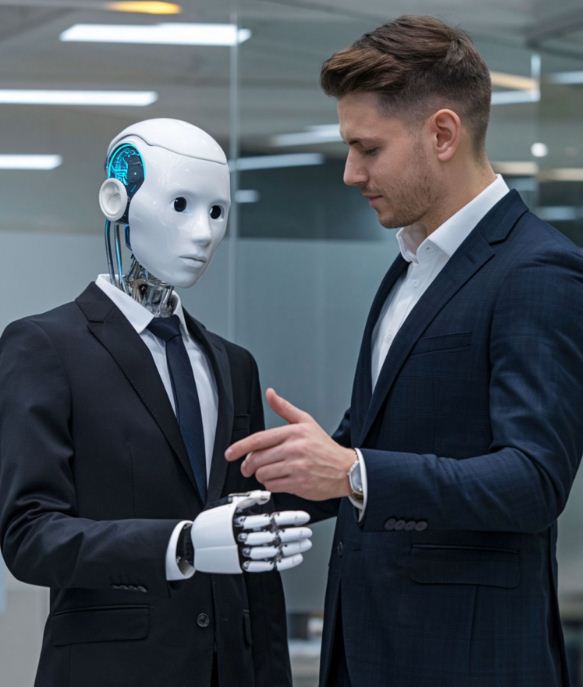
The next wave of education will be even more advanced — where learning feels real, immersive, and human-like through technology.
AI Tutors
AI-based tutors can explain concepts, evaluate answers, and adapt teaching style to each student individually — available 24/7.
Virtual Reality Labs
Imagine studying space science by walking on Mars through VR. Medical students can perform surgeries in virtual operating rooms before real practice. Engineering students can assemble machines digitally — without material cost or risk.
Blockchain for certification
Degrees and certificates stored on blockchain eliminate fraud and make verification instant, global, and permanent.
Schools of tomorrow — how they will look
Classrooms will not disappear — but they will transform. Smart screens, AI-powered assessments, cloud-based textbooks, and virtual collaboration rooms will become standard. Instead of exam pressure, creativity and innovation will become the core of learning.

Conclusion — A new age of learning has begun
The future of education is digital, inclusive, and skill-driven. Technology is not replacing teachers — it is empowering them. Students are no longer just receivers of information; they are creators, explorers, and innovators. The world is changing fast — and education is finally evolving with it. Those who adapt will lead. Those who resist may fall behind.
If you want, I can also format it into SEO-optimized WordPress-ready HTML, add meta description, featured image suggestion and internal CSS styling.