Politics shapes the governance, policies, and development of nations. In the 21st century, politics has become more complex, dynamic, and influenced by technology, media, and global interactions. Understanding political trends and systems is essential for citizens to engage effectively in society and contribute to progress.
The Role of Politics in Society
Politics determines how resources are allocated, laws are made, and social order is maintained. It affects education, healthcare, economy, foreign policy, and public welfare. Effective politics ensures transparency, justice, and accountability in government institutions.
A strong political system allows citizens to participate in decision-making, voice their concerns, and influence policies through elections, activism, and civic engagement.
Political Systems and Governance
The world consists of various political systems such as democracy, monarchy, authoritarianism, and hybrid regimes. Each system has distinct rules, institutions, and processes. The effectiveness of governance depends on how well these systems serve citizens` interests.
Democracy and Citizen Participation
Democratic systems emphasize free elections, individual rights, and the rule of law. Citizen participation is a core principle, allowing people to influence policies through voting, public debates, and advocacy.
Globalization and Politics
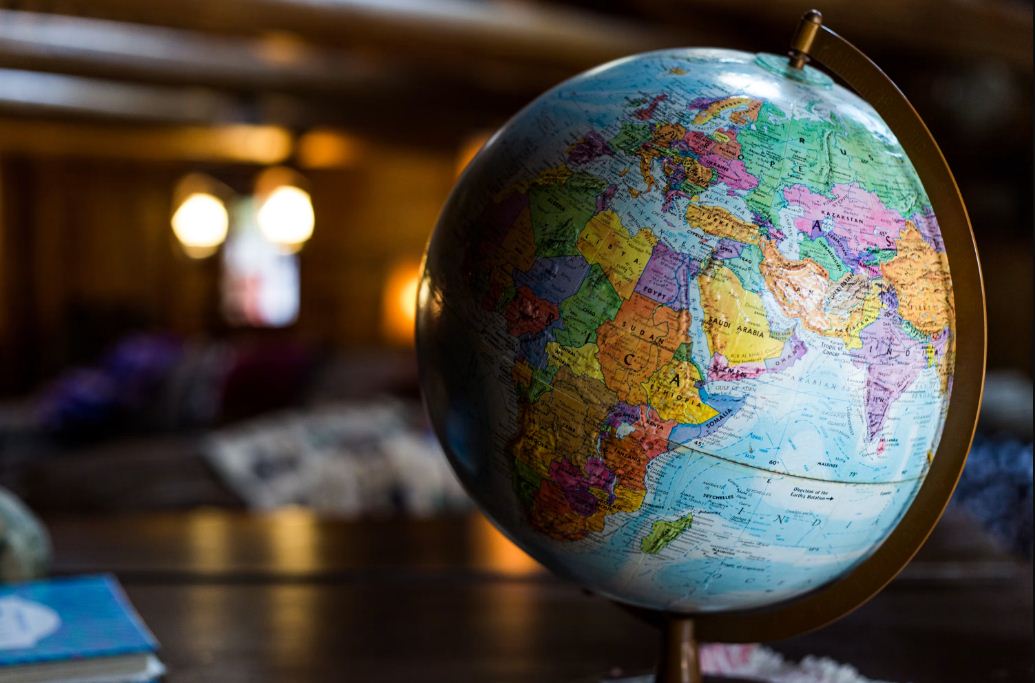
Globalization has transformed politics by increasing interdependence between nations. International organizations, trade agreements, and diplomatic relations play a significant role in shaping domestic policies. Politicians must consider both national interests and global implications.
Global challenges such as climate change, pandemics, and economic crises require collaboration across borders, making politics more interconnected than ever.
Technology and Politics
Technology has a profound impact on politics. Social media, digital campaigns, and online news platforms influence public opinion, voter behavior, and policy discussions. Politicians use digital tools to engage with constituents and promote transparency.
Challenges of Digital Politics
While technology enables access to information, it also spreads misinformation, fake news, and polarization. Digital literacy and fact-checking are critical for informed political participation.
Political Challenges and Reforms
Modern politics faces challenges such as corruption, partisanship, and unequal representation. Reforms are necessary to strengthen institutions, improve accountability, and ensure fair governance.
Education, civic engagement, and transparency are key to overcoming these challenges and empowering citizens to make informed decisions.
Future Trends in Politics
The future of politics will be shaped by technology, climate change, globalization, and shifting demographics. Citizen activism, digital governance, and ethical leadership will play increasingly important roles in shaping political landscapes.
Adaptation and innovation are necessary for governments to address complex challenges while ensuring fairness and justice.
Conclusion
Politics is central to the functioning of societies and the well-being of citizens. Understanding political systems, staying informed, and participating actively in governance are essential for a healthy democracy. By embracing transparency, innovation, and inclusivity, nations can navigate the evolving political landscape effectively.