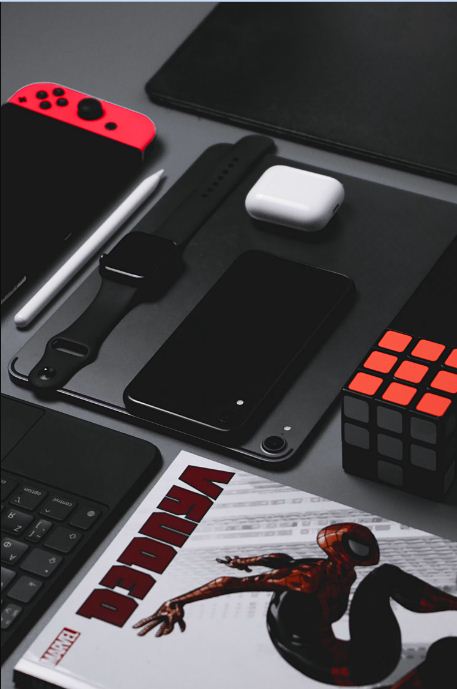
Technology continues to evolve at an incredible pace, and 2026 has become a landmark year for innovation in consumer electronics. Smart gadgets are no longer luxury items reserved for technology enthusiasts. They have become essential tools that help people work more efficiently, stay connected, improve health, enhance entertainment, and simplify daily tasks.
From artificial intelligence-powered devices to advanced wearable technology and smart home systems, today`s gadgets are designed to provide convenience, automation, and personalized experiences. Consumers now expect their devices to communicate seamlessly, learn from their habits, and offer intelligent solutions that make life easier.
This article explores the most exciting gadget trends of 2026, highlighting how modern technology is transforming everyday living and what consumers can expect from the next generation of smart devices.
The Evolution of Smart Gadgets
The gadget industry has experienced remarkable growth over the past decade. Devices that once performed a single function are now equipped with advanced sensors, artificial intelligence, cloud connectivity, and machine learning capabilities.
Modern gadgets are designed to work together within interconnected ecosystems. Smartphones communicate with smartwatches, home assistants control household appliances, and wearable devices provide real-time health insights. This integration has created a more connected and intelligent digital lifestyle.
Key Factors Driving Innovation
- Artificial intelligence integration
- Faster wireless connectivity
- Improved battery technology
- Advanced sensors and processors
- Cloud-based computing services
- Growing demand for automation
These advancements have enabled manufacturers to create devices that are smarter, faster, and more efficient than ever before.
Smartphones Continue to Lead Innovation
Despite the emergence of many new technologies, smartphones remain at the center of the modern digital ecosystem. The latest smartphones in 2026 feature powerful AI capabilities, advanced cameras, and seamless integration with other devices.
AI-Powered Personal Assistants
Artificial intelligence has transformed smartphones into highly capable personal assistants. Modern devices can:
- Schedule appointments automatically
- Provide personalized recommendations
- Translate languages in real time
- Optimize battery performance
- Enhance photography through AI processing
These capabilities make smartphones more useful and intuitive than ever before.
Advanced Camera Systems
Mobile photography continues to improve with larger sensors, computational photography, and AI-powered editing tools. Users can capture professional-quality images and videos directly from their smartphones.
Wearable Technology Reaches New Heights
Wearable gadgets have evolved beyond simple fitness trackers. Today`s devices provide comprehensive health monitoring and personalized wellness insights.
Smartwatches
Modern smartwatches serve as miniature health centers worn on the wrist. They can monitor:
- Heart rate
- Blood oxygen levels
- Sleep quality
- Stress indicators
- Physical activity
- Workout performance
These devices help users make informed decisions about their health and lifestyle.
Smart Rings
Smart rings have emerged as a popular alternative to smartwatches. Their compact design allows users to track health metrics discreetly while maintaining comfort throughout the day.
Smart Glasses
Advancements in augmented reality have made smart glasses increasingly practical. These devices can display navigation directions, notifications, and contextual information directly within the user`s field of vision.
The Smart Home Revolution
Smart home technology continues to gain popularity as consumers seek greater convenience, security, and energy efficiency.
Voice-Controlled Assistants
Voice assistants have become central components of modern homes. Users can control lighting, entertainment systems, appliances, and security devices through simple voice commands.
Smart Security Systems
Home security has improved significantly with connected cameras, smart locks, and AI-powered monitoring systems. These technologies provide:
- Remote surveillance
- Instant alerts
- Facial recognition capabilities
- Automated emergency responses
- Enhanced property protection
Energy Management Devices
Smart thermostats and energy-monitoring systems help homeowners reduce utility costs while minimizing environmental impact. These devices automatically adjust settings based on user behavior and environmental conditions.
Wireless Audio Technology Advances
The audio industry has experienced substantial innovation in recent years. Wireless earbuds, headphones, and portable speakers offer superior sound quality and intelligent features.
Noise Cancellation Technology
Advanced noise cancellation systems create immersive listening experiences by eliminating unwanted background sounds. This feature is particularly valuable for travelers and remote workers.
Spatial Audio
Spatial audio technology creates realistic three-dimensional sound environments, enhancing music, gaming, and movie experiences.
Portable Productivity Gadgets
As remote and hybrid work models continue to grow, demand for portable productivity gadgets remains strong.
Portable Monitors
Portable monitors provide additional screen space for professionals who work from multiple locations. These lightweight displays improve productivity without sacrificing mobility.
Smart Keyboards and Accessories
Modern keyboards feature ergonomic designs, wireless connectivity, and customizable controls that enhance workflow efficiency.
Digital Note-Taking Devices
Electronic notebooks combine the familiarity of handwriting with the convenience of digital storage and cloud synchronization.
Artificial Intelligence Becomes Standard
Artificial intelligence is no longer limited to software applications. It is becoming a core component of modern gadgets.
Personalized User Experiences
AI systems analyze user behavior and preferences to provide customized recommendations, automate repetitive tasks, and improve device performance.
Predictive Technology
Predictive algorithms can anticipate user needs, making devices more proactive and efficient. Examples include predictive text, intelligent scheduling, and automated home adjustments.
Gaming Gadgets Continue to Evolve
Gaming technology remains one of the most innovative sectors within the gadget industry.
Handheld Gaming Devices
Portable gaming systems offer console-quality experiences while allowing users to play anywhere.
Virtual Reality Headsets
VR technology continues to improve with higher resolutions, better motion tracking, and more immersive experiences.
Gaming Accessories
Advanced controllers, mechanical keyboards, and specialized gaming mice provide enhanced precision and comfort for competitive players.
Sustainability in Gadget Manufacturing
Consumers increasingly expect manufacturers to adopt sustainable practices. As a result, many companies are focusing on:
- Recyclable materials
- Energy-efficient components
- Reduced packaging waste
- Longer product lifespans
- Responsible sourcing of materials
Sustainability has become a major factor influencing purchasing decisions in the technology market.
Challenges Facing the Gadget Industry
Despite rapid innovation, the industry faces several challenges:
- Cybersecurity threats
- Data privacy concerns
- Electronic waste management
- Supply chain disruptions
- Rising production costs
Manufacturers must address these issues while continuing to deliver innovative and affordable products.
What the Future Holds
The future of gadgets is likely to be defined by deeper AI integration, enhanced connectivity, and greater personalization. Emerging technologies such as quantum computing, advanced robotics, and next-generation augmented reality may create entirely new categories of consumer devices.
As gadgets become smarter and more interconnected, they will play an even greater role in improving productivity, health, entertainment, and overall quality of life.
Conclusion
The gadget industry in 2026 represents an exciting blend of innovation, convenience, and intelligence. Smartphones, wearable devices, smart home technologies, AI-powered assistants, and advanced productivity tools are transforming how people live and work.
Consumers now expect technology to be intuitive, personalized, and seamlessly integrated into daily life. As innovation continues to accelerate, smart gadgets will become even more capable, offering solutions that enhance efficiency, connectivity, and well-being.
For technology enthusiasts and everyday users alike, the future promises a world where intelligent gadgets simplify tasks, improve experiences, and unlock new possibilities that were once considered science fiction.