Education has undergone a remarkable transformation over the last decade. The traditional classroom model, once dependent on textbooks, chalkboards, and face-to-face instruction, is evolving into a technology-driven learning environment that provides students with greater flexibility, accessibility, and opportunities for success. In 2026, educational institutions worldwide are embracing digital tools, artificial intelligence, personalized learning systems, and innovative teaching methods to meet the demands of a rapidly changing world.
The integration of technology into education has created new possibilities for learners of all ages. Students can now access high-quality educational content from virtually anywhere, collaborate with peers across the globe, and develop skills that prepare them for future careers. As education continues to evolve, understanding these changes is essential for students, teachers, parents, and policymakers alike.
The Digital Revolution in Education
The rise of digital technology has fundamentally changed how knowledge is delivered and consumed. Online learning platforms, virtual classrooms, educational applications, and cloud-based resources have expanded access to education beyond traditional school settings. Students are no longer limited by geographical location or physical infrastructure when pursuing academic goals.
Digital learning environments offer flexibility that allows students to learn at their own pace. Recorded lectures, interactive exercises, and multimedia content provide diverse learning experiences that cater to different learning styles. This accessibility has made education more inclusive and effective for many learners.
Benefits of Digital Learning
- Access to educational resources anytime and anywhere.
- Personalized learning experiences.
- Improved collaboration and communication.
- Enhanced student engagement through interactive content.
- Cost-effective access to quality education.
- Flexible learning schedules.
- Opportunities for lifelong learning.
Artificial Intelligence in the Classroom
Artificial intelligence (AI) is becoming one of the most influential technologies in education. AI-powered systems can analyze student performance, identify strengths and weaknesses, and provide personalized recommendations for improvement. This allows educators to better understand individual learning needs and offer targeted support.
Intelligent tutoring systems can provide instant feedback, answer questions, and guide students through complex concepts. These tools help learners progress at their own pace while reducing the burden on teachers. AI is also being used to automate administrative tasks such as grading and attendance tracking, allowing educators to focus more on teaching.
Personalized Learning Experiences
One of the most significant developments in modern education is personalized learning. Traditional classrooms often follow a standardized curriculum that may not address the unique needs of every student. Personalized learning approaches use technology and data to adapt educational content to individual abilities, interests, and learning styles.
Students can receive customized lessons, assignments, and assessments based on their progress. This approach helps improve engagement, increase motivation, and enhance learning outcomes by ensuring that each student receives the support they need.
Key Features of Personalized Learning
- Customized learning pathways.
- Adaptive assessments and quizzes.
- Real-time performance monitoring.
- Individualized feedback and support.
- Flexible pacing and scheduling.
- Data-driven instructional strategies.
The Growing Importance of STEM Education
Science, Technology, Engineering, and Mathematics (STEM) education continues to play a critical role in preparing students for future careers. As industries become increasingly reliant on technology and innovation, demand for STEM-related skills is growing rapidly.
Educational institutions are investing in STEM programs that encourage critical thinking, problem-solving, creativity, and collaboration. Students are gaining hands-on experience through robotics, coding, engineering projects, and scientific research activities that prepare them for emerging job opportunities.
Virtual Reality and Immersive Learning
Virtual Reality (VR) and Augmented Reality (AR) are creating immersive educational experiences that were previously unimaginable. Students can explore historical landmarks, conduct virtual science experiments, and travel through the human body without leaving the classroom.
These technologies enhance engagement by making learning interactive and experiential. Complex concepts become easier to understand when students can visualize and interact with them in realistic environments. VR and AR are particularly valuable in fields such as medicine, engineering, architecture, and science education.
Online Learning and Global Accessibility
Online education has expanded access to learning opportunities worldwide. Students in remote areas can now enroll in courses offered by prestigious institutions without relocating. Massive Open Online Courses (MOOCs), digital certifications, and virtual degree programs have made education more accessible than ever before.
This global accessibility is helping reduce educational barriers and promoting lifelong learning. Professionals can acquire new skills, earn certifications, and stay competitive in the workforce through flexible online programs.
Advantages of Online Education
- Flexible schedules for learners.
- Access to global educational resources.
- Lower costs compared to traditional programs.
- Opportunities for career advancement.
- Wide variety of courses and specializations.
- Support for lifelong learning goals.
The Evolving Role of Teachers
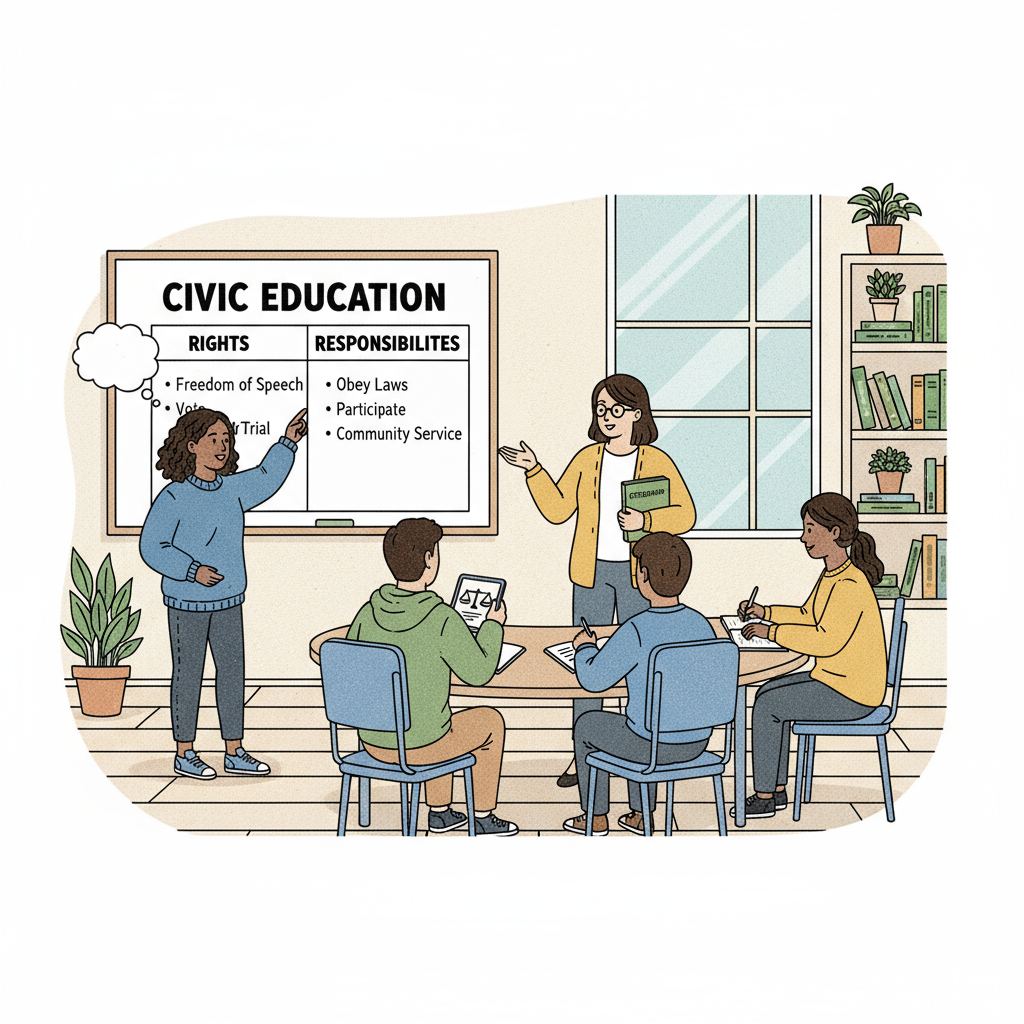
Technology is not replacing teachers; rather, it is transforming their role. Educators are becoming facilitators, mentors, and guides who help students navigate information and develop critical thinking skills. Teachers are using digital tools to create engaging lessons, monitor student progress, and provide personalized support.
Professional development is becoming increasingly important as educators learn to integrate emerging technologies into their teaching practices. Successful teachers combine traditional instructional methods with innovative digital approaches to create effective learning environments.
Challenges Facing Modern Education
Despite significant progress, the education sector faces several challenges. Digital inequality remains a concern, as not all students have access to reliable internet connections or technological devices. Privacy and data security issues also require careful consideration as educational institutions collect and analyze student information.
Additionally, educators must ensure that technology enhances learning rather than becoming a distraction. Balancing screen time with traditional learning experiences remains an important objective for schools and families.
Skills for the Future Workforce
The future workforce will require more than technical knowledge. Employers increasingly seek individuals who possess creativity, adaptability, communication skills, emotional intelligence, and critical thinking abilities. Educational systems are evolving to develop these competencies alongside academic achievement.
Project-based learning, collaborative assignments, and real-world problem-solving activities help students build essential skills that prepare them for future professional success.
Essential Future Skills
- Critical thinking and problem solving.
- Digital literacy.
- Communication and collaboration.
- Adaptability and resilience.
- Creativity and innovation.
- Leadership and teamwork.
- Emotional intelligence.
The Future of Learning
Education in 2026 is becoming more personalized, accessible, and technology-driven than ever before. Innovations such as artificial intelligence, virtual reality, adaptive learning systems, and online education are reshaping how students acquire knowledge and develop skills.
While challenges remain, the opportunities created by these advancements are significant. Educational institutions that embrace innovation while maintaining a focus on quality, equity, and student well-being will be better positioned to prepare learners for the demands of the future.
Conclusion
The future of education is being defined by technological innovation and a commitment to meeting the diverse needs of learners. As digital tools continue to evolve, education will become more inclusive, engaging, and effective. Students will have greater opportunities to learn, grow, and succeed in a world that increasingly values knowledge, adaptability, and continuous learning.
By embracing modern educational practices and investing in future-ready skills, educators, institutions, and learners can create a brighter future where education empowers individuals and drives social and economic progress across the globe.