The way people live, work, communicate, and spend their free time continues to evolve rapidly. In 2026, lifestyle trends are being shaped by technological advancements, changing consumer expectations, environmental awareness, and a growing focus on personal well-being. From smart homes and sustainable living to remote work and digital wellness, modern lifestyles are becoming more flexible, connected, and personalized than ever before.
Today`s consumers are seeking balance in a fast-paced world. They want convenience without sacrificing health, productivity without burnout, and innovation without harming the environment. As a result, several emerging lifestyle trends are influencing how people make decisions about their homes, careers, finances, travel, and daily routines.
The Evolution of Modern Living
Modern living is no longer defined solely by material possessions or traditional success metrics. People are increasingly prioritizing experiences, flexibility, mental health, and personal fulfillment. Technology has enabled individuals to customize nearly every aspect of their lives, from entertainment and education to shopping and healthcare.
As societies become more digitally connected, consumers are embracing solutions that improve convenience while enhancing their quality of life. Businesses and organizations are responding by creating products and services that align with these changing preferences.
Remote and Hybrid Work Culture
One of the most influential lifestyle shifts in recent years has been the widespread adoption of remote and hybrid work models. Employees now have greater flexibility in where and how they work, allowing them to achieve better work-life balance.
Benefits of Remote Work
- Reduced commuting time
- Greater workplace flexibility
- Improved work-life balance
- Access to global career opportunities
- Enhanced productivity for many professionals
Companies are increasingly investing in digital collaboration tools, virtual communication platforms, and flexible work policies to support this transformation.
Smart Homes and Connected Living
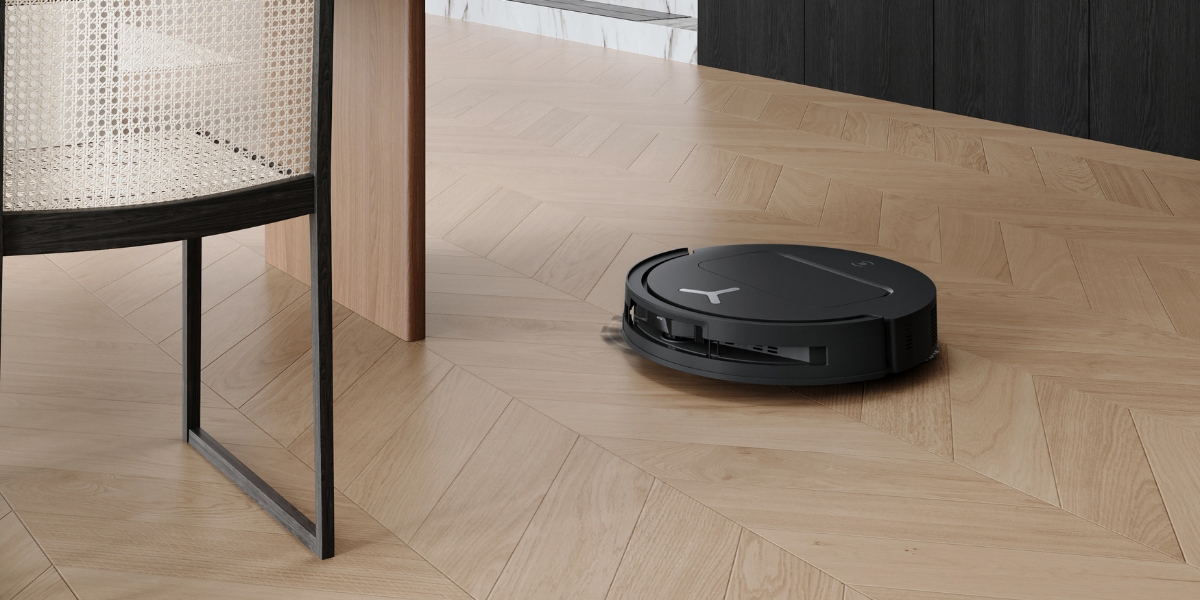
Smart home technology continues to gain popularity as consumers seek greater convenience, efficiency, and security. Connected devices can automate everyday tasks, optimize energy usage, and improve home management.
Popular Smart Home Features
- Voice-controlled assistants
- Smart lighting systems
- Automated security cameras
- Smart thermostats
- Connected appliances
- Energy monitoring systems
These innovations allow homeowners to manage their living spaces more effectively while reducing energy consumption and operational costs.
Sustainability and Eco-Conscious Living
Environmental awareness is influencing consumer behavior across industries. More individuals are adopting sustainable practices to reduce their environmental impact and support a healthier planet.
Sustainable Lifestyle Practices
- Reducing single-use plastics
- Using renewable energy sources
- Purchasing eco-friendly products
- Supporting sustainable brands
- Reducing food waste
- Choosing public transportation or electric vehicles
Businesses that prioritize sustainability often attract environmentally conscious consumers who value responsible corporate practices.
The Rise of Digital Wellness
As technology becomes increasingly integrated into daily life, many individuals are focusing on digital wellness. This trend involves managing screen time, reducing digital distractions, and promoting healthier relationships with technology.
People are becoming more mindful of how constant connectivity affects mental health, productivity, and personal relationships.
Digital Wellness Strategies
- Limiting social media usage
- Practicing screen-free activities
- Using focus and productivity tools
- Establishing technology-free zones
- Taking regular digital detox breaks
Health and Wellness as a Priority
Health and wellness have become central aspects of modern living. Individuals are taking proactive approaches to physical, mental, and emotional well-being.
The growing availability of fitness apps, wearable devices, telemedicine services, and online wellness programs has made health management more accessible and personalized.
Key Wellness Trends
- Personalized fitness programs
- Mental health awareness
- Meditation and mindfulness practices
- Nutrition-focused lifestyles
- Preventive healthcare measures
- Home fitness solutions
Experience-Driven Consumer Behavior
Modern consumers increasingly value experiences over possessions. Rather than focusing solely on material goods, people are investing in travel, personal development, entertainment, and memorable activities.
This shift has encouraged businesses to create immersive customer experiences that foster emotional connections and long-term loyalty.
Popular Experience-Based Activities
- Adventure travel
- Skill development workshops
- Wellness retreats
- Cultural experiences
- Live entertainment events
- Creative learning opportunities
Personal Finance and Financial Independence
Financial literacy is becoming increasingly important as individuals seek greater control over their financial futures. Many people are focusing on budgeting, investing, and building multiple income streams.
Technology has simplified access to financial tools, making it easier for individuals to manage investments, track spending, and plan for long-term goals.
Financial Trends in 2026
- Increased use of budgeting apps
- Growth of passive income opportunities
- Expanded investment accessibility
- Financial education initiatives
- Retirement planning awareness
Personalized Consumer Experiences
Consumers now expect products and services tailored to their individual preferences. Businesses use data analytics and artificial intelligence to provide customized recommendations and personalized experiences.
From streaming platforms and online shopping to fitness programs and educational content, personalization has become a major driver of customer satisfaction.
Benefits of Personalization
- Improved customer satisfaction
- Greater convenience
- Relevant recommendations
- Enhanced engagement
- Stronger brand loyalty
Community and Social Connection
Despite increased digital connectivity, people continue to value meaningful personal relationships and community involvement. Local groups, online communities, and social organizations provide opportunities for connection and support.
Many individuals are seeking authentic interactions that contribute to a sense of belonging and shared purpose.
Ways People Build Community
- Participating in local events
- Joining online interest groups
- Volunteering for charitable causes
- Attending networking events
- Supporting local businesses
The Future of Lifestyle Trends
Artificial Intelligence Integration
AI will continue influencing daily routines by providing smarter recommendations, automation, and personalized assistance.
Advanced Health Monitoring
Wearable technology will become more sophisticated, helping users monitor health metrics and make informed wellness decisions.
Flexible Living Arrangements
More people will embrace flexible housing options and location-independent lifestyles as remote work opportunities expand.
Greater Sustainability Focus
Consumers and businesses alike will continue prioritizing environmentally responsible choices and sustainable innovations.
Conclusion
The lifestyle trends shaping modern living in 2026 reflect a broader shift toward flexibility, personalization, wellness, sustainability, and digital integration. Individuals are increasingly seeking solutions that improve convenience while supporting personal growth, financial stability, and environmental responsibility.
As technology continues to evolve and societal priorities change, these trends will likely become even more influential. Understanding and embracing these developments can help individuals and businesses adapt successfully to the future while creating more balanced, fulfilling, and sustainable ways of living.