Education has undergone a dramatic transformation over the past few decades. From traditional chalkboard classrooms to digital learning environments, the way we acquire knowledge is evolving rapidly. The 21st century has introduced new technologies, innovative teaching methods, and global connectivity, reshaping how students learn and how educators teach.
As the world becomes more interconnected and technology-driven, education systems must adapt to prepare students for future challenges. This blog explores how education is transforming and what the future holds for learners worldwide.
The Evolution of Education
Historically, education was limited to physical classrooms where teachers delivered lectures and students passively absorbed information. While this model served its purpose, it lacked flexibility and personalization.
Today, education is more dynamic. Digital tools, online platforms, and interactive methods have created a more engaging and accessible learning experience. Students are no longer confined to textbooks; they can access vast amounts of information with just a few clicks.
Role of Technology in Education
1. Online Learning Platforms
Platforms like MOOCs (Massive Open Online Courses) have made education accessible to millions. Students can learn from top universities and experts without leaving their homes.
Online learning offers flexibility, allowing learners to study at their own pace. This is especially beneficial for working professionals and those who cannot attend traditional classes.
2. Smart Classrooms
Modern classrooms are equipped with smart boards, projectors, and interactive tools that enhance learning. These technologies make lessons more engaging and help students understand complex concepts بسهولة.
3. Artificial Intelligence (AI)
AI is playing a significant role in education by providing personalized learning experiences. Adaptive learning systems analyze student performance and tailor content accordingly.
AI-powered chatbots and virtual tutors are also helping students with instant support, making learning more efficient.
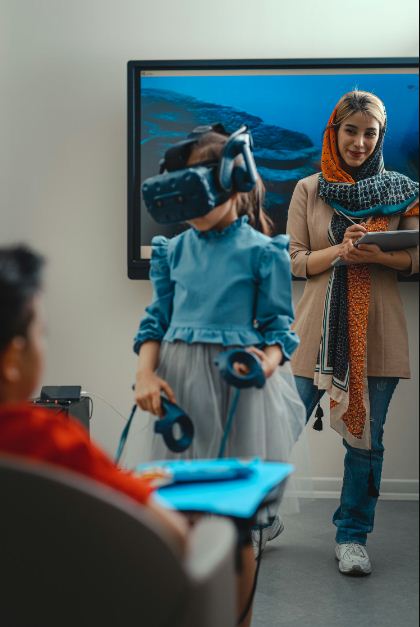
4. Virtual Reality (VR) and Augmented Reality (AR)
VR and AR technologies are revolutionizing education by creating immersive learning experiences. Students can explore historical sites, conduct virtual experiments, and visualize complex concepts in 3D.
Benefits of Modern Education
Accessibility
Education is now accessible to people from all walks of life. Online platforms have broken geographical barriers, allowing students from remote areas to access quality education.
Personalized Learning
Technology enables personalized learning paths. Students can focus on their strengths and work on their weaknesses at their own pace.
Engagement
Interactive tools, videos, and gamification make learning more engaging. Students are more motivated and involved in the learning process.
Skill Development
Modern education emphasizes practical skills such as critical thinking, problem-solving, and digital literacy, which are essential in today’s job market.
Challenges in Modern Education
Digital Divide
Not all students have access to the internet or digital devices. This creates a gap between those who can benefit from modern education and those who cannot.
Screen Time
Increased use of digital devices can lead to excessive screen time, affecting students’ health and well-being.
Quality Control
With the abundance of online content, ensuring the quality and credibility of educational resources can be challenging.
Teacher Training
Educators need proper training to effectively use new technologies. Without it, the benefits of digital tools cannot be fully realized.
The Future of Education
Hybrid Learning Models
The future of education lies in hybrid models that combine online and offline learning. This approach offers flexibility while maintaining the benefits of face-to-face interaction.
Lifelong Learning
Learning is no longer limited to school years. Continuous education and skill development are essential in a rapidly changing world.
Global Collaboration
Technology enables students to collaborate with peers from different countries, fostering cultural exchange and global understanding.
Focus on Creativity and Innovation
Future education systems will prioritize creativity, innovation, and entrepreneurship, preparing students for diverse career paths.
How Students Can Adapt
Embrace Technology
Students should become comfortable with digital tools and platforms to enhance their learning experience.
Develop Critical Thinking
Instead of memorizing information, focus on understanding concepts and applying knowledge in real-world situations.
Stay Curious
Curiosity drives learning. Explore new topics, ask questions, and seek knowledge beyond the classroom.
Practice Time Management
With flexible learning options, managing time effectively is crucial for success.
Conclusion
Education in the 21st century is more dynamic, accessible, and innovative than ever before. Technology is not replacing traditional learning but enhancing it, creating new opportunities for students and educators alike.
As we move forward, the key to success lies in embracing change, leveraging technology, and focusing on continuous learning. The future of education is bright, and those who adapt will thrive in this evolving landscape.




.jpg)