Politics plays a vital role in shaping the structure, policies, and direction of modern societies. It influences how governments operate, how laws are created, and how resources are distributed among citizens. From local governance to international relations, political decisions affect almost every aspect of daily life.
In democratic societies, politics provides a platform for citizens to express their opinions, choose their leaders, and participate in decision-making processes. Political systems are designed to balance power, maintain order, and ensure the well-being of the population. Understanding politics is therefore essential for individuals who want to be informed and active members of society.
Understanding Politics
Politics can be defined as the activities, actions, and policies used to gain and hold power in government or influence government decisions. Political systems vary across the world, ranging from democracies and constitutional monarchies to authoritarian regimes.
In democratic countries, citizens elect representatives who make decisions on their behalf. These representatives work in institutions such as parliaments or congresses where laws and policies are debated and approved. Political parties play an important role by presenting different ideas, policies, and visions for the country`s future.
The Importance of Political Participation
1. Voting and Elections
Voting is one of the most important ways citizens can participate in politics. Elections allow people to choose leaders who represent their interests and values. Through voting, citizens influence government policies and hold leaders accountable for their actions.
High voter participation strengthens democratic systems by ensuring that governments reflect the will of the people. When citizens actively engage in elections, it promotes transparency and fairness in governance.
2. Public Debate and Discussion
Political debate is an essential part of democracy. Through discussions, debates, and public forums, different perspectives and ideas can be shared. This process helps societies evaluate policies, address problems, and develop solutions that benefit the majority of citizens.
Media platforms, academic institutions, and community organizations often play a role in facilitating political discussions and informing the public about important issues.
3. Civic Engagement
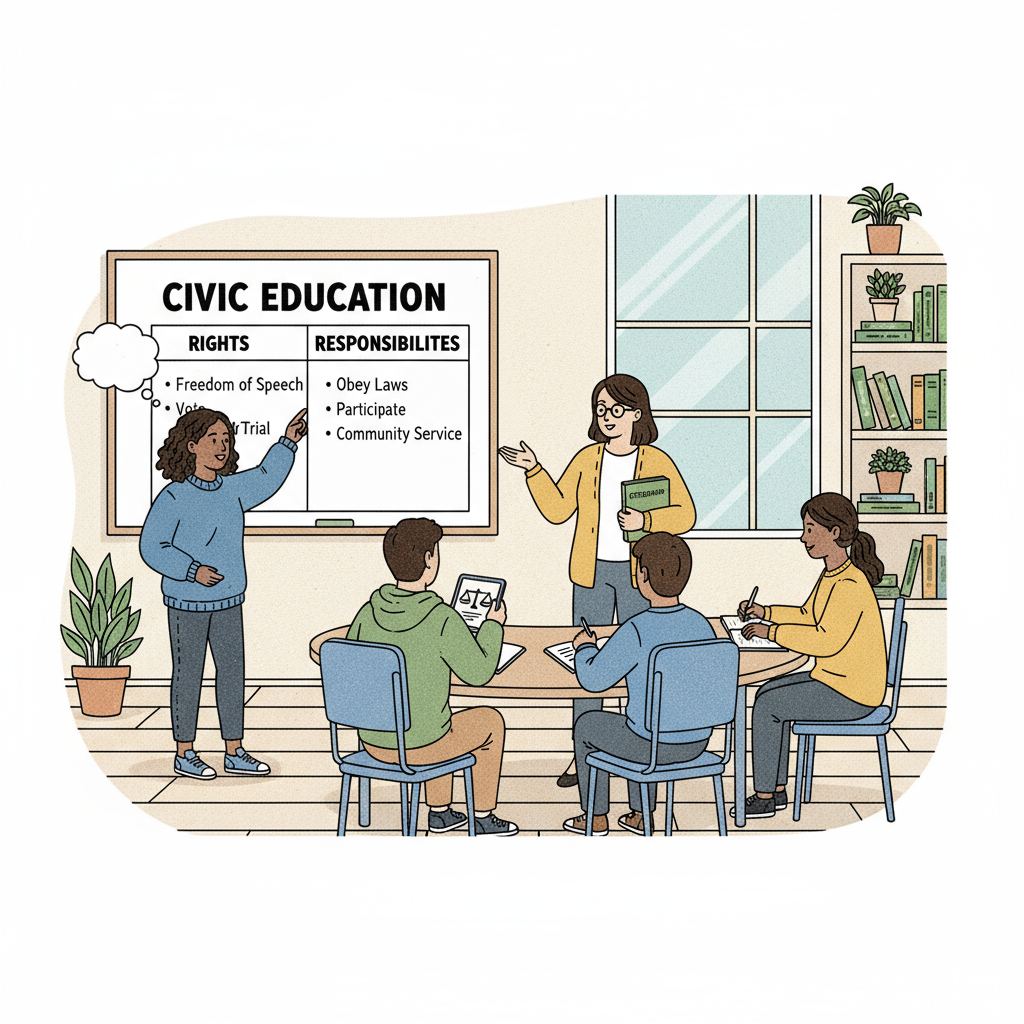
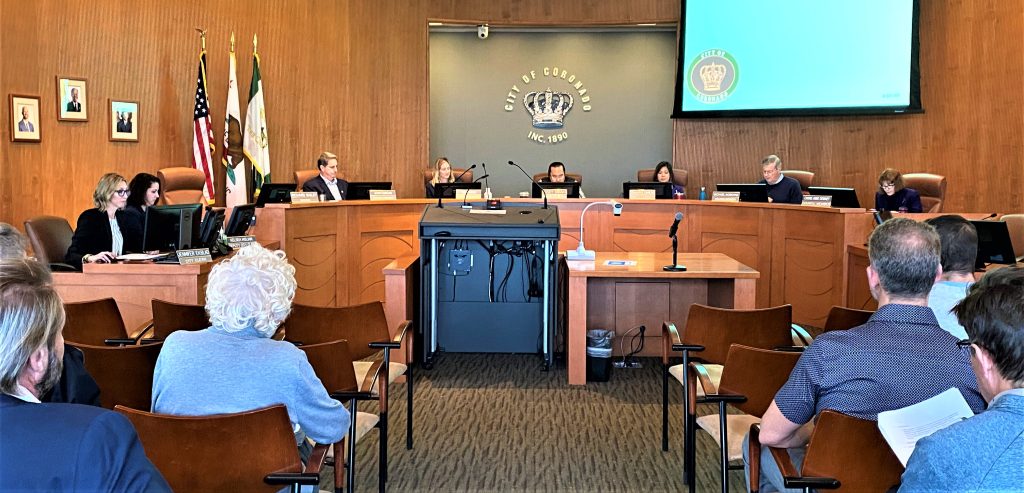
Beyond voting, citizens can participate in politics through civic engagement. This may include attending community meetings, participating in peaceful protests, joining advocacy groups, or contacting elected representatives about important issues.
Active civic participation ensures that governments remain responsive to the needs and concerns of the population.
The Role of Political Institutions
Political institutions such as legislatures, courts, and executive branches are responsible for implementing laws and maintaining governance. Each institution has specific responsibilities designed to balance power and prevent misuse of authority.
For example, legislatures create laws, executive leaders implement policies, and courts interpret the law to ensure justice. This system of checks and balances helps maintain fairness and stability in political systems.
Politics and Economic Development
Political decisions often influence economic policies, which in turn affect national development. Governments create policies related to taxation, trade, infrastructure, and public services that shape economic growth and stability.
Stable political environments encourage investment, innovation, and job creation. On the other hand, political instability can disrupt economic progress and reduce opportunities for development.
The Impact of Media on Politics
The media plays a significant role in modern politics by informing citizens about political events, policies, and government activities. Newspapers, television networks, and digital media platforms provide information that helps people understand political issues.
Social media has also become a powerful political tool. Politicians use digital platforms to communicate directly with voters, share policy ideas, and respond to public concerns. However, the rise of digital media has also introduced challenges such as misinformation and biased reporting.
Challenges in Modern Politics
Modern political systems face several challenges, including political polarization, corruption, and declining public trust in institutions. Political polarization occurs when societies become deeply divided along ideological lines, making compromise and cooperation difficult.
Corruption can undermine democratic institutions and reduce public confidence in government. Addressing these challenges requires strong institutions, transparent governance, and active citizen participation.
The Future of Politics
The future of politics will likely be influenced by technological advancements, global cooperation, and changing social expectations. Digital platforms may continue to reshape political campaigns, public engagement, and policy discussions.
Additionally, global issues such as climate change, economic inequality, and international security require cooperation between nations. Political leaders will need to develop innovative solutions and work collaboratively to address these complex challenges.
Conclusion
Politics plays a fundamental role in shaping societies and determining the direction of national development. Through political systems, governments create policies, maintain stability, and address the needs of citizens.
For individuals, understanding politics is essential for informed decision-making and active participation in civic life. By engaging responsibly in political processes, citizens can contribute to building fair, stable, and prosperous societies.