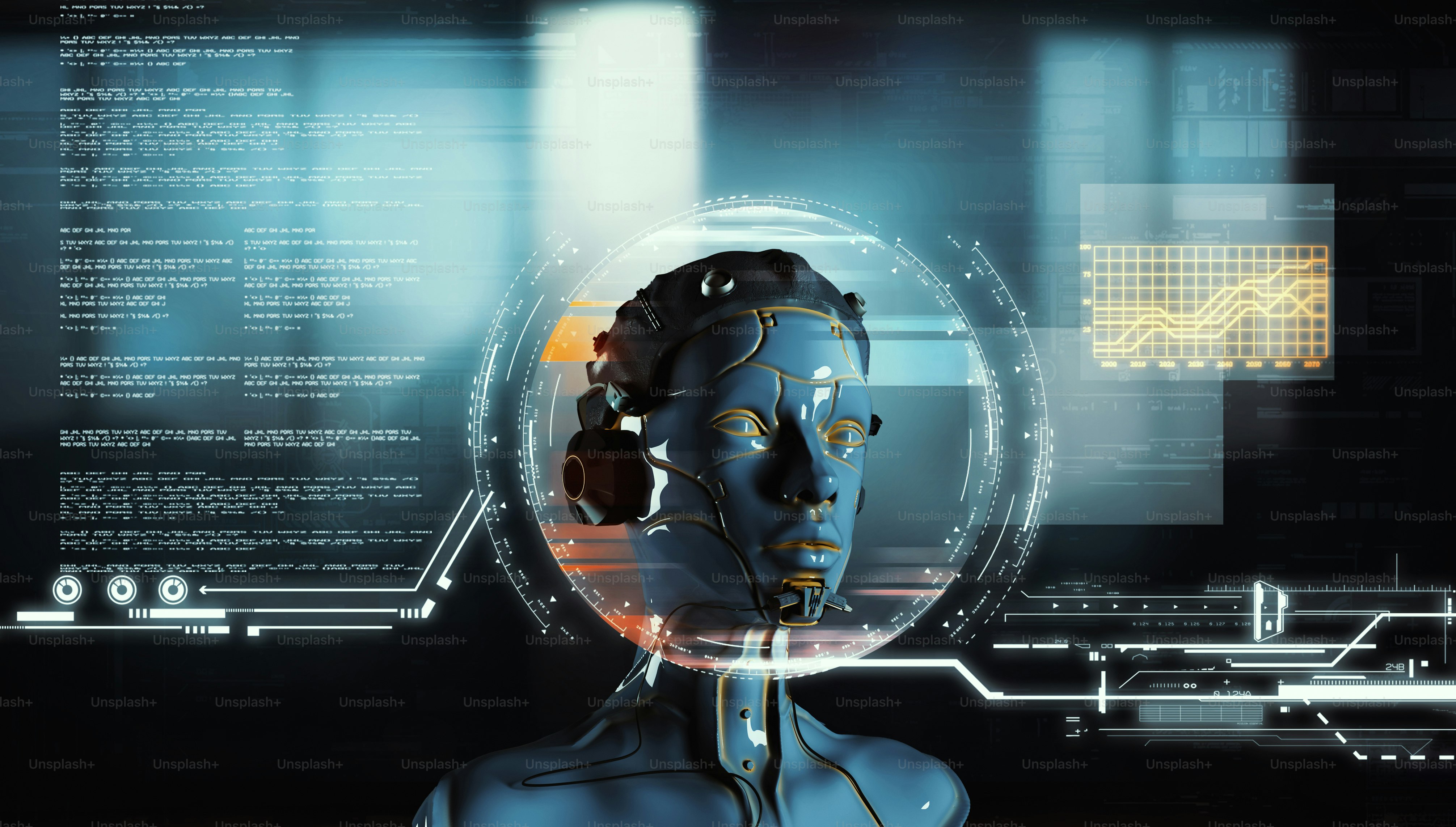
Education has always been the foundation of human progress, but the way we learn is changing faster than ever before. Traditional classrooms, chalkboards, and textbooks are gradually being replaced or enhanced by digital tools, online platforms, and innovative teaching methods.
The future of education is deeply connected with technology. From virtual classrooms to artificial intelligence, technology is reshaping how knowledge is delivered, accessed, and understood across the world.
The Evolution of Traditional Education
For decades, education followed a fixed structure: classrooms, teachers, textbooks, and exams. While this system helped educate millions, it also had limitations such as lack of personalization, limited access, and slow adaptation to change.
With the rise of the internet and digital devices, education has started evolving. Learning is no longer confined to a physical classroom or a specific time schedule.
Online Learning and Digital Classrooms
Online education has become one of the biggest revolutions in learning. Students can now attend classes from anywhere in the world using laptops, tablets, or smartphones.
Digital classrooms offer recorded lectures, live sessions, discussion forums, and interactive assignments. This flexibility allows students to learn at their own pace and revisit concepts whenever needed.
Benefits of Online Education
One of the biggest advantages of online learning is accessibility. Students from remote areas can access quality education without relocating.
It is also cost-effective, as it reduces travel, accommodation, and material expenses. Additionally, learners can balance education with work or personal responsibilities.
The Role of Artificial Intelligence in Education
Artificial Intelligence is transforming education by introducing personalized learning experiences. AI-powered systems analyze student performance and adapt content based on individual strengths and weaknesses.
Virtual tutors, automated grading, and intelligent learning platforms help teachers focus more on mentoring rather than administrative tasks.
Personalized Learning Experiences
Every student learns differently. Technology allows educators to move away from the one-size-fits-all approach and focus on personalized learning.
Adaptive learning platforms customize lessons, quizzes, and assignments according to each student’s progress, improving understanding and retention.
Student-Centered Education
Modern education emphasizes critical thinking, creativity, and problem-solving. Students are encouraged to explore, ask questions, and learn actively.
Project-based learning and digital collaboration tools help students develop real-world skills that go beyond memorization.
The Importance of Digital Literacy
In a technology-driven world, digital literacy is as important as reading and writing. Students must learn how to use digital tools responsibly and effectively.
Understanding online safety, data privacy, and ethical technology use prepares learners for future careers and digital citizenship.
Teachers in the Digital Age
Technology does not replace teachers; it empowers them. Educators now act as facilitators, guides, and mentors rather than just information providers.
Digital tools help teachers track student progress, create engaging lessons, and provide instant feedback.
Continuous Professional Development
Teachers must continuously update their skills to keep pace with technological advancements. Online training, workshops, and digital resources support lifelong learning for educators.
A tech-savvy teacher can significantly enhance student engagement and learning outcomes.
Challenges in Modern Education
Despite its benefits, technology-driven education faces challenges. These include unequal access to devices, poor internet connectivity, and lack of technical skills.
Addressing these issues is essential to ensure that education remains inclusive and fair for all students.
Bridging the Digital Divide
Governments and institutions must work together to provide affordable internet access and digital devices to underserved communities.
Equal access ensures that no student is left behind in the digital education revolution.
The Future of Learning
The future of education will be more flexible, interactive, and learner-focused. Virtual reality, augmented reality, and immersive technologies will make learning more engaging.
Lifelong learning will become the norm as individuals continuously update their skills in a rapidly changing job market.
Conclusion
Education is undergoing a powerful transformation driven by technology. While challenges exist, the benefits of accessible, personalized, and innovative learning are undeniable.
The future of education belongs to those who adapt, embrace change, and use technology to unlock human potential.