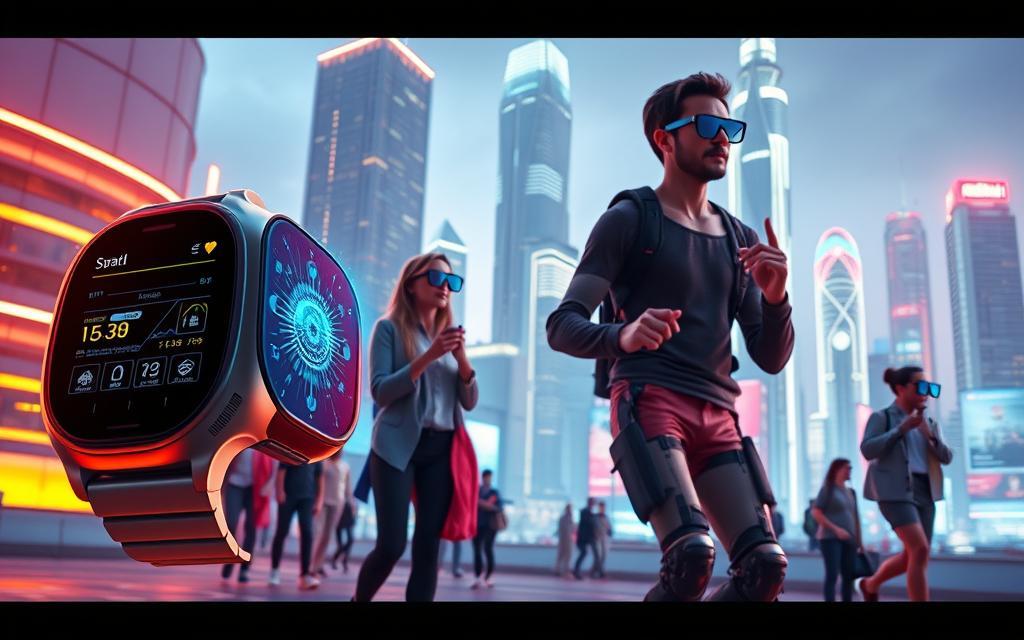
Travel has always been one of humanity`s greatest passions. It allows people to explore new cultures, experience breathtaking landscapes, meet diverse communities, and create memories that last a lifetime. In recent years, the travel industry has undergone significant transformations driven by technology, sustainability initiatives, and changing traveler expectations.
As we move through 2026, travel is becoming smarter, more personalized, and increasingly focused on responsible tourism. Digital tools, artificial intelligence, and innovative transportation solutions are making journeys more convenient than ever before. At the same time, travelers are showing greater awareness of environmental and social impacts, encouraging the industry to adopt sustainable practices.
This article explores the latest trends shaping the future of travel and how technology and sustainability are redefining global tourism.
The Evolution of Modern Travel
Travel has evolved dramatically over the past few decades. What once required visits to travel agencies, printed maps, and extensive planning can now be managed through a smartphone. Online booking platforms, digital payment systems, and real-time navigation tools have simplified nearly every aspect of the travel experience.
Today`s travelers have instant access to flight schedules, hotel reservations, restaurant recommendations, transportation services, and destination guides. These advancements have made travel more accessible and convenient for millions of people around the world.
As technology continues to advance, the future promises even more seamless and personalized travel experiences.
The Rise of Smart Travel Technology
Technology is at the heart of modern travel. Artificial intelligence, mobile applications, cloud computing, and digital assistants are helping travelers plan and manage their trips with greater efficiency.
AI-powered travel platforms can recommend destinations, suggest itineraries, and provide personalized travel advice based on user preferences. Mobile applications allow travelers to manage bookings, receive real-time updates, and access digital boarding passes from their devices.
Smart travel tools reduce stress and help travelers make informed decisions throughout their journeys.
Popular Smart Travel Technologies
- AI-powered travel assistants.
- Mobile booking applications.
- Digital boarding passes.
- Real-time translation tools.
- Smart luggage tracking systems.
- Contactless payment solutions.
Sustainable Tourism Takes Center Stage
Sustainability has become one of the most important topics in the travel industry. Increasing awareness of environmental challenges has encouraged travelers and businesses to adopt more responsible tourism practices.
Sustainable tourism focuses on minimizing environmental impact while supporting local communities and preserving cultural heritage. Many travelers now prioritize eco-friendly accommodations, low-emission transportation options, and experiences that contribute positively to local economies.
Governments, tourism boards, and private organizations are implementing initiatives aimed at promoting responsible travel and protecting natural resources for future generations.
The Growth of Remote Work and Digital Nomadism
Remote work has transformed how people travel. The rise of digital nomadism allows professionals to work from virtually anywhere with a reliable internet connection.
Many countries have introduced special visas and programs designed to attract remote workers. Popular destinations now offer coworking spaces, high-speed internet, and long-term accommodation options tailored to digital professionals.
This trend is creating new opportunities for cultural exchange and economic development in destinations that welcome remote workers.
Personalized Travel Experiences
Modern travelers increasingly seek unique and personalized experiences rather than generic tourism packages. Technology enables travel providers to tailor recommendations and services based on individual interests and preferences.
Whether travelers are interested in adventure tourism, culinary experiences, cultural immersion, wellness retreats, or luxury vacations, personalized recommendations help create more meaningful journeys.
Artificial intelligence and data analytics allow travel companies to better understand customer needs and deliver customized experiences that enhance satisfaction.
Health and Safety in Travel
Health and safety remain top priorities for travelers and industry stakeholders. Airports, airlines, hotels, and tourism operators continue investing in technologies and protocols that improve traveler confidence and well-being.
Contactless check-ins, digital health documentation, enhanced sanitation procedures, and real-time travel alerts are helping create safer travel environments.
Travelers are also becoming more proactive about health preparation, including travel insurance, vaccinations, and destination-specific safety planning.
The Future of Transportation
Transportation innovations are reshaping how people move around the world. Electric vehicles, high-speed rail systems, sustainable aviation technologies, and smart mobility solutions are improving efficiency and reducing environmental impact.
Airlines are investing in fuel-efficient aircraft and exploring alternative energy sources, while cities are expanding public transportation networks and encouraging eco-friendly mobility options.
These developments aim to make travel faster, more affordable, and more sustainable in the years ahead.
Emerging Transportation Trends
- Electric and hybrid vehicles.
- High-speed rail networks.
- Sustainable aviation fuel.
- Smart urban mobility systems.
- Autonomous transportation technologies.
- Integrated travel platforms.
Adventure and Experiential Travel
Adventure travel continues to grow in popularity as people seek authentic and memorable experiences. Activities such as hiking, scuba diving, wildlife safaris, mountain climbing, and cultural exploration attract travelers looking for deeper connections with destinations.
Experiential travel focuses on participation and engagement rather than passive sightseeing. Travelers increasingly value opportunities to learn new skills, interact with local communities, and immerse themselves in regional traditions.
This trend reflects a broader desire for meaningful experiences that go beyond conventional tourism.
The Economic Impact of Tourism
Tourism is a major contributor to the global economy, supporting millions of jobs and generating significant revenue for destinations worldwide. Hotels, restaurants, transportation providers, tour operators, and local businesses all benefit from tourism activity.
As international travel continues to recover and expand, many countries are investing in tourism infrastructure to attract visitors and stimulate economic growth.
Sustainable tourism strategies help ensure that economic benefits are distributed fairly while protecting environmental and cultural resources.
Challenges Facing the Travel Industry
Despite its growth and innovation, the travel industry faces several challenges. Climate change, overtourism, geopolitical uncertainty, cybersecurity concerns, and economic fluctuations can affect travel demand and operations.
Industry leaders must balance growth with sustainability while addressing traveler concerns about safety, privacy, and environmental responsibility.
Collaboration among governments, businesses, and communities will be essential to building a resilient and sustainable tourism sector.
The Future of Travel
The future of travel will be defined by innovation, sustainability, and personalization. Emerging technologies will continue simplifying trip planning and enhancing traveler experiences, while sustainable practices will become increasingly important across the industry.
Travelers can expect smarter transportation systems, more immersive digital experiences, improved safety measures, and greater opportunities for meaningful cultural engagement.
As the world becomes more connected, travel will remain a powerful force for education, understanding, economic development, and personal growth.
Conclusion
Travel in 2026 is more dynamic and innovative than ever before. Technology is making journeys easier to plan and manage, while sustainability initiatives are encouraging more responsible exploration of the world`s destinations.
Whether traveling for business, leisure, adventure, or cultural discovery, modern travelers have access to tools and opportunities that enhance every aspect of their journeys. By embracing innovation and responsible tourism practices, the travel industry can continue to inspire and connect people across the globe for generations to come.