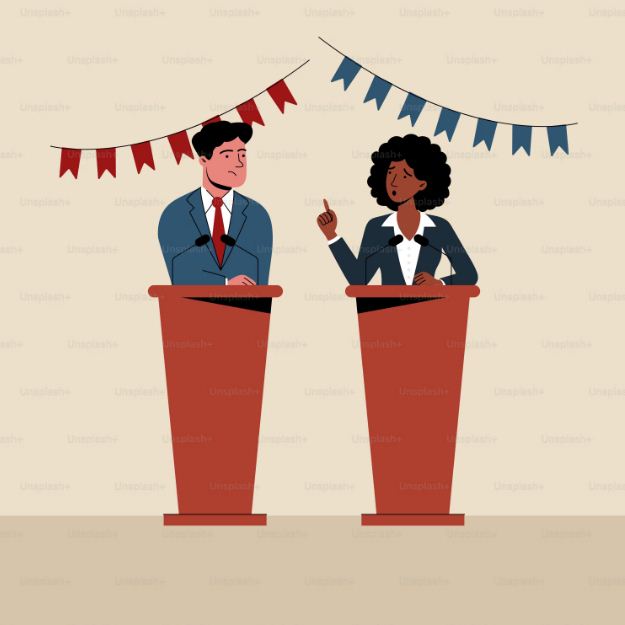
Politics is the framework through which societies organize governance, make decisions, and influence the distribution of resources. In the modern era, politics plays a pivotal role in shaping global relationships, economic policies, and social norms. Understanding politics is essential for citizens to engage effectively, influence policy-making, and contribute to democratic development.
Understanding Modern Politics
Modern politics extends beyond traditional government structures. It encompasses political parties, elections, civic activism, international relations, and media influence. Political decisions impact almost every aspect of public life, from education and healthcare to trade and environmental policies.
Key Political Systems Around the World
Democracy
Democratic systems allow citizens to elect representatives, participate in policy-making, and hold governments accountable. It emphasizes freedom, equality, and transparency in governance.
Authoritarianism
In authoritarian systems, political power is concentrated in the hands of a single ruler or party. Citizens have limited political freedom and little influence over decision-making.
Hybrid Systems
Hybrid or semi-democratic systems combine elements of democracy and authoritarianism. These systems often feature elections but with restrictions on political freedoms and civil liberties.
The Influence of Media in Politics
Media plays a crucial role in shaping political opinions and public discourse. Traditional newspapers, television, and radio, along with digital media platforms, influence how citizens perceive political events and leaders.
Social Media Impact
Platforms like Twitter, Facebook, and Instagram enable politicians to communicate directly with voters. Social media also amplifies activism, campaigns, and public debates.
Fake News and Misinformation
While media empowers citizens, it also poses challenges such as misinformation and fake news. Critical thinking and fact-checking are essential for informed political participation.
Key Political Issues Today
Globalization and Trade
Political decisions influence international trade, economic policies, and global partnerships. Leaders must balance national interests with global cooperation.
Climate Change and Environmental Policy
Governments are responsible for regulating environmental policies, promoting renewable energy, and addressing climate change challenges.
Human Rights and Social Justice
Modern politics addresses issues like gender equality, racial justice, and minority rights. Policies aim to promote inclusion and equality in society.
Citizen Participation and Civic Engagement
Active participation in politics strengthens democracy and societal development. Voting, advocacy, community service, and attending public forums are essential ways for citizens to contribute.
Importance of Voting
Elections allow citizens to choose representatives who reflect their values and priorities. Voting is a fundamental right and responsibility in democratic societies.
Political Activism
Engaged citizens raise awareness about important issues, influence policy-making, and hold governments accountable.
The Future of Politics
The future of politics will be shaped by technology, global cooperation, and youth engagement. Digital tools, AI, and data-driven governance are transforming how political decisions are made and communicated.
Citizen awareness and active participation will determine the strength and effectiveness of democratic processes worldwide.
Conclusion
Modern politics impacts every aspect of society, from economic development to social justice. Understanding political systems, participating actively, and staying informed are essential for shaping a fair and prosperous society.
By engaging in politics responsibly, citizens can contribute to better governance, global cooperation, and a more equitable world.