Politics in the 21st century has evolved significantly, influenced by globalization, technology, and changing public expectations. Governments, political parties, and citizens are adapting to a rapidly shifting environment where information flows instantly and public opinion can shape decisions in real time.
The Role of Technology in Politics
Technology has transformed how politics operates. Social media platforms, digital campaigns, and online news have made political information more accessible than ever before. Politicians now use digital tools to communicate directly with citizens, bypassing traditional media channels.
While this has increased transparency and engagement, it has also raised concerns about misinformation and the spread of false narratives. Managing digital communication effectively has become a key challenge for modern political systems.
Globalization and Political Interdependence
Globalization has connected nations in ways that were unimaginable a few decades ago. Economic, environmental, and security issues now require international cooperation. Decisions made in one country can have far-reaching effects on others.
This interdependence has led to the formation of international organizations and agreements aimed at addressing global challenges. However, it has also sparked debates about national sovereignty and the balance of power.
The Rise of Public Participation
Citizens today are more informed and engaged than ever before. Social media and digital platforms have given people a voice, allowing them to express opinions, organize movements, and hold leaders accountable.
This increased participation has strengthened democracy in many regions. However, it has also made political environments more complex, as leaders must navigate diverse and often conflicting viewpoints.
Key Challenges in Modern Politics
1. Misinformation
The spread of false information is a major concern. It can influence public opinion and undermine trust in institutions.
2. Polarization
Political polarization has increased in many countries, leading to divisions within societies. Finding common ground has become more difficult.
3. Economic Inequality
Economic disparities continue to be a significant issue, influencing political debates and policy decisions.
4. Climate Change
Environmental issues have become central to political discussions. Governments are under pressure to implement sustainable policies.
The Impact of Media on Politics
Media plays a crucial role in shaping political narratives. Traditional media outlets, along with digital platforms, influence how information is presented and perceived by the public.
The rise of independent journalism and citizen reporting has diversified perspectives, but it has also made it harder to verify the accuracy of information.
The Future of Politics
1. Digital Governance
Governments are adopting digital tools to improve efficiency and transparency. E-governance systems enable citizens to access services and participate in decision-making processes online.
2. Youth Involvement
Young people are becoming more active in politics, bringing fresh ideas and perspectives. Their involvement is shaping the future of political systems.
3. Policy Innovation
New approaches to policymaking are emerging, focusing on collaboration, data-driven decisions, and long-term sustainability.
4. Global Cooperation
Addressing global challenges will require stronger international partnerships and collective action.
Balancing Power and Responsibility
In modern politics, leaders must balance power with responsibility. Transparency, accountability, and ethical decision-making are essential for maintaining public trust.
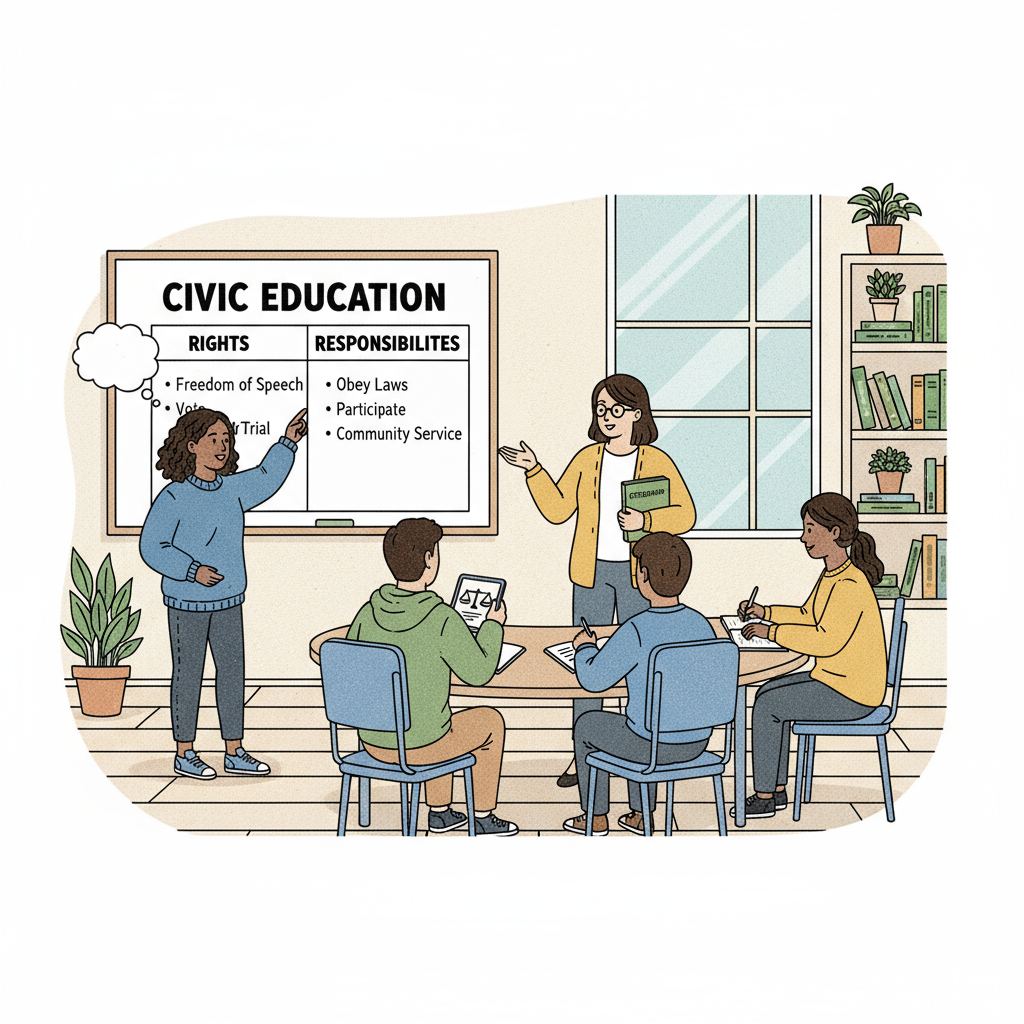
Citizens also play a role by staying informed, participating in discussions, and contributing to the democratic process.
Conclusion
The landscape of politics in the 21st century is complex and dynamic. While challenges such as misinformation and polarization persist, there are also opportunities for innovation and progress.
By embracing technology, encouraging public participation, and fostering global cooperation, political systems can adapt to the demands of a changing world. The future of politics will depend on the ability of leaders and citizens to work together toward common goals.