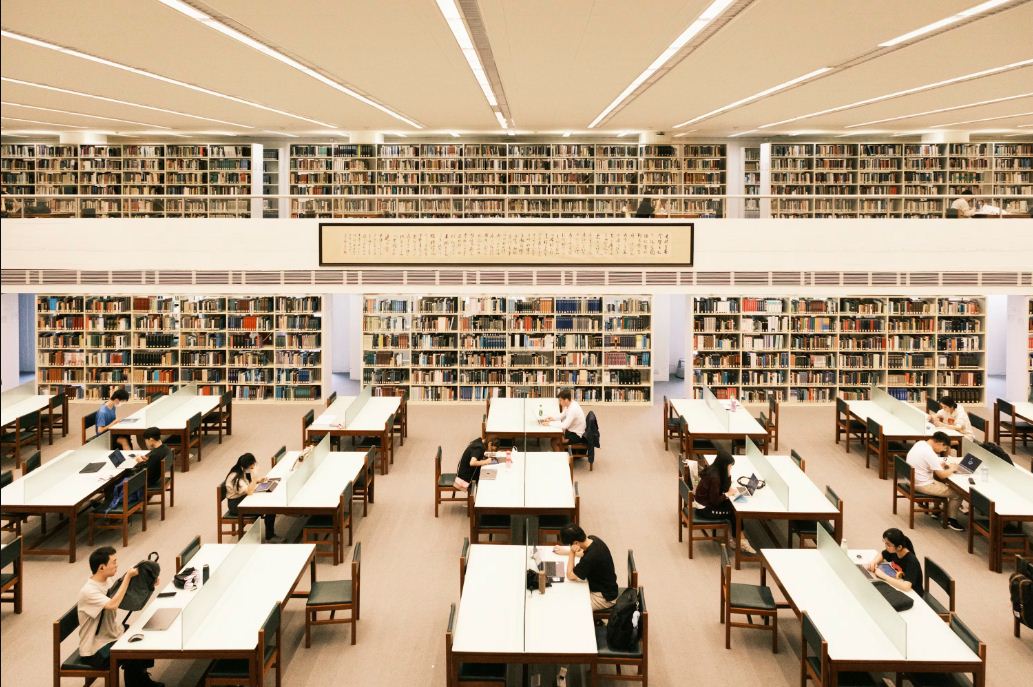
Education has always been one of the most important foundations of human civilization. It shapes societies, creates opportunities, and helps individuals develop knowledge and skills that improve their lives. Over the past few decades, education has undergone massive transformation due to technological advancements, changing student expectations, and the growing demand for flexible learning systems.
The traditional classroom model, where students sit in rows listening to lectures for hours, is gradually evolving into a more dynamic, interactive, and technology-driven experience. Digital tools, online learning platforms, artificial intelligence, and virtual classrooms are reshaping how students learn and how teachers deliver education.
Today, education is no longer limited to physical schools or universities. A student can learn coding from an online platform, attend international webinars, access digital libraries, and even complete university degrees remotely. This shift has opened new possibilities for learners across the world and has created opportunities for equal access to knowledge.
The Evolution of Modern Education
Education systems have evolved significantly over time. In the past, learning was mainly based on textbooks, memorization, and classroom lectures. While these methods are still important, modern education now focuses more on creativity, problem-solving, collaboration, and practical skills.
Technology has become one of the biggest drivers of educational change. Schools and universities are integrating digital tools into classrooms to create more engaging and effective learning experiences. Interactive whiteboards, tablets, educational apps, and online assignments are now common in many institutions.
Students are also becoming more independent learners. Instead of relying solely on teachers, they can now access educational videos, podcasts, eBooks, and tutorials anytime through the internet.
The Rise of Online Learning
Online learning has become one of the most significant developments in education. It gained massive popularity during the global pandemic when schools and universities shifted to remote learning. However, even after classrooms reopened, online education continued growing because of its flexibility and accessibility.
Flexibility for Students
One of the biggest advantages of online learning is flexibility. Students can study from anywhere in the world and often learn at their own pace. This is especially beneficial for working professionals, parents, and individuals who cannot attend traditional classes.
Access to Global Knowledge
Online platforms allow students to learn from international experts and institutions. A student in one country can easily enroll in courses offered by universities located on another continent.
Cost-Effective Education
Digital learning often reduces costs related to transportation, accommodation, and printed materials. Many high-quality educational resources are available for free or at affordable prices online.
The Role of Artificial Intelligence in Education
Artificial intelligence is transforming education by making learning more personalized and efficient. AI-powered systems can analyze student performance, identify learning difficulties, and provide customized recommendations.
Personalized Learning
Every student learns differently. Some understand concepts quickly, while others need additional support. AI systems can adapt lessons according to each student’s learning style and progress.
Smart Tutoring Systems
AI tutors can provide instant feedback and assistance to students. These systems help learners practice subjects like mathematics, languages, and science more effectively.
Automated Administrative Tasks
Teachers spend a large amount of time grading assignments and managing records. AI tools can automate many administrative tasks, allowing educators to focus more on teaching and student interaction.
The Importance of Skill-Based Learning
Modern employers increasingly value practical skills alongside academic qualifications. As industries evolve, education systems are focusing more on preparing students for real-world careers.
Critical Thinking and Problem Solving
Students are encouraged to think creatively, analyze situations, and solve problems independently. These skills are essential in today’s competitive job market.
Communication and Collaboration
Group projects, presentations, and collaborative learning activities help students develop communication and teamwork abilities.
Technical and Digital Skills
Knowledge of coding, digital marketing, graphic design, cybersecurity, and data analysis is becoming increasingly important across many industries.
Challenges Facing Modern Education
Although education has improved significantly, several challenges still exist worldwide.
Digital Divide
Not all students have equal access to technology and internet connectivity. In many developing regions, students struggle to participate in online learning because of limited resources.
Mental Health and Academic Pressure
Students today face high levels of academic stress and competition. Mental health awareness has become an important part of educational discussions.
Keeping Up with Technological Changes
Technology evolves rapidly, making it challenging for schools and teachers to stay updated with the latest tools and teaching methods.
The Changing Role of Teachers
Teachers remain one of the most important parts of education, even in the digital age. However, their roles are changing from traditional lecturers to facilitators and mentors.
Instead of simply delivering information, teachers now guide students in research, collaboration, creativity, and critical thinking. They help students understand how to apply knowledge in practical situations.
Professional development and continuous learning are becoming essential for educators as they adapt to modern teaching technologies and methodologies.
The Impact of Technology on Students
Technology has both positive and negative effects on students. While digital tools improve access to knowledge, excessive screen time and distractions can also create challenges.
Positive Effects
- Easy access to information
- Interactive and engaging learning experiences
- Improved communication with teachers and classmates
- Opportunities for self-paced learning
Negative Effects
- Reduced attention spans
- Dependence on digital devices
- Online distractions and social media addiction
- Potential cybersecurity and privacy risks
Educational institutions must find a balance between technology integration and healthy learning habits.
Globalization and International Education
Globalization has connected educational systems worldwide. Students now have opportunities to study abroad, participate in exchange programs, and collaborate with peers from different cultures.
International education promotes cultural understanding, diversity, and global awareness. It also helps students develop language skills and prepare for international careers.
Online learning has further strengthened global education by making international courses accessible to millions of learners worldwide.
The Future of Universities
Universities are evolving to meet the changing demands of society and the job market. Many institutions are offering hybrid learning models that combine online and in-person education.
Micro-credentials and short-term certification programs are becoming increasingly popular because they allow learners to gain specific skills quickly. Employers are also recognizing alternative forms of education beyond traditional degrees.
Research, innovation, and partnerships with industries will continue to shape the future of higher education.
Why Lifelong Learning Matters
In today’s rapidly changing world, learning does not end after graduation. Professionals must continuously update their skills to remain competitive in the workforce.
Lifelong learning helps individuals adapt to new technologies, career changes, and evolving industries. Online courses, workshops, webinars, and professional certifications provide opportunities for continuous growth.
Companies also encourage employees to participate in training programs to improve productivity and innovation.
Building a Better Education System
Governments, educational institutions, teachers, parents, and technology companies all play important roles in improving education systems.
Investment in Technology
Schools need reliable internet access, digital devices, and modern learning tools to support students effectively.
Teacher Training
Educators should receive continuous professional development to stay updated with modern teaching strategies.
Student-Centered Learning
Education systems should focus on individual student needs, creativity, and practical skills rather than memorization alone.
Conclusion
The future of education is being shaped by technology, innovation, and changing global needs. Digital learning, artificial intelligence, and skill-based education are transforming how students learn and prepare for the future.
While challenges such as the digital divide and academic pressure still exist, modern education also offers incredible opportunities for accessibility, flexibility, and global collaboration. Schools and universities must continue evolving to meet the demands of the modern world.
Education is no longer limited to classrooms and textbooks. It has become a lifelong journey of growth, adaptability, and continuous learning. Those who embrace innovation and remain open to learning new skills will be better prepared for success in the future.