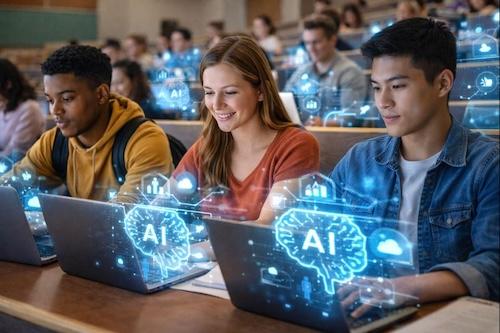
Education has always been the foundation of human progress, but in the digital age, it is undergoing one of the most significant transformations in history. Technology is reshaping how students learn, how teachers teach, and how institutions deliver knowledge. From online classrooms to artificial intelligence-powered learning tools, the future of education is more flexible, accessible, and personalized than ever before.
Evolution of Education Systems
Traditional education systems were largely classroom-based, teacher-centered, and limited by physical boundaries. Students had to attend schools or universities at fixed locations and times. However, the rise of the internet and digital technologies has challenged this model, introducing new methods of learning that are not restricted by geography or schedules.
Today, education is shifting toward student-centered learning, where learners have greater control over what, how, and when they study. This evolution is creating opportunities for millions of students worldwide who previously had limited access to quality education.
Role of Technology in Modern Education
Online Learning Platforms
Online learning platforms such as virtual classrooms, learning management systems, and video-based courses have revolutionized education. Students can now access lectures, assignments, and study materials from anywhere in the world. This flexibility is especially beneficial for working professionals and remote learners.
Artificial Intelligence in Education
Artificial intelligence is playing a growing role in education by offering personalized learning experiences. AI-powered systems can analyze a student’s performance and adapt lessons according to their strengths and weaknesses. This helps students learn at their own pace and improves overall outcomes.
Virtual and Augmented Reality
Virtual Reality (VR) and Augmented Reality (AR) are transforming traditional learning methods by making education more interactive. Students can explore historical sites, conduct virtual science experiments, or visualize complex concepts in 3D, making learning more engaging and effective.
Benefits of Digital Education
Accessibility and Inclusivity
One of the biggest advantages of digital education is accessibility. Students from rural or underdeveloped areas can now access the same quality of education as those in major cities. Online resources also support learners with disabilities by offering customized tools and assistive technologies.
Cost-Effective Learning
Digital education reduces costs associated with transportation, accommodation, and physical materials. Many online courses are affordable or even free, making education more inclusive for students from different economic backgrounds.
Lifelong Learning Opportunities
In the digital age, learning does not stop after graduation. Online courses and certifications allow individuals to continuously upgrade their skills throughout their careers. This is especially important in a rapidly changing job market.
Challenges in Digital Education
Despite its advantages, digital education also faces several challenges. Not all students have access to reliable internet or digital devices, creating a digital divide. Additionally, lack of face-to-face interaction can affect student motivation and engagement.
- Limited internet access in some regions
- Reduced social interaction
- Need for digital literacy skills
- Data privacy and security concerns
Role of Teachers in the Digital Era
Teachers remain essential in the digital education system. Their role is evolving from traditional instructors to facilitators and mentors. Teachers guide students, encourage critical thinking, and help them navigate digital resources effectively.
Professional development and digital training for educators are crucial to ensure they can adapt to new technologies and teaching methods.
Impact on Students and Learning Outcomes
Digital education empowers students to take responsibility for their learning. Interactive content, real-time feedback, and collaborative tools help improve engagement and understanding. Students also develop important skills such as problem-solving, communication, and digital literacy.
Future Trends in Education
Personalized Learning
Education will become increasingly personalized, with adaptive learning systems tailoring content to individual needs.
Blended Learning Models
Blended learning, which combines online and in-person education, will become the standard approach in many institutions.
Global Classrooms
Students from different countries will collaborate in shared virtual classrooms, promoting cultural exchange and global understanding.
Conclusion
The future of education in the digital age is full of possibilities. Technology is breaking down barriers and creating more inclusive, flexible, and effective learning environments. While challenges remain, continued innovation and investment in digital education will help shape a brighter future for learners around the world.