The world of gadgets has evolved dramatically over the past decade, and in 2026, smart technology is at the center of this transformation. From smartphones and wearable devices to smart homes and AI-powered assistants, gadgets are no longer just tools—they are essential parts of our daily lives. These innovations are redefining convenience, productivity, and connectivity in ways we once only imagined.
As technology continues to advance, gadgets are becoming more intelligent, interconnected, and personalized. They are designed not only to perform tasks but also to anticipate user needs, making life easier and more efficient.
The Journey of Gadgets Over Time
Gadgets have come a long way from basic electronic devices to highly sophisticated systems. Early gadgets were limited in functionality, often serving a single purpose. Today, multifunctional devices like smartphones combine communication, entertainment, and productivity into one compact device.
The introduction of the internet and wireless connectivity played a crucial role in this evolution. With the rise of cloud computing and artificial intelligence, gadgets are now capable of learning and adapting to user behavior.
Key Innovations in Modern Gadgets
1. Smartphones and Beyond
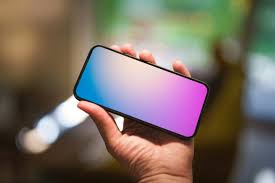
Smartphones remain the most influential gadgets in the modern era. With powerful processors, advanced cameras, and a wide range of applications, they serve as the hub for many other devices.
2. Wearable Technology
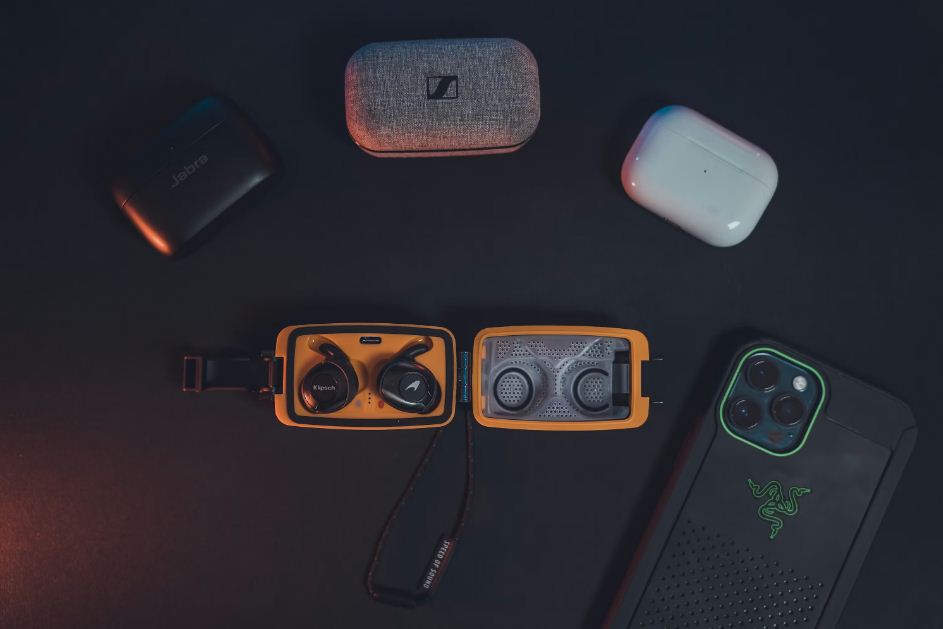
Wearables such as smartwatches and fitness trackers have gained immense popularity. These devices monitor health metrics like heart rate, steps, and sleep patterns, helping users maintain a healthier lifestyle.
3. Smart Home Devices
Smart home technology allows users to control lighting, security systems, and appliances through their smartphones or voice commands. Devices like smart speakers and home assistants are making homes more efficient and secure.
4. AI-Powered Assistants
Virtual assistants are becoming smarter with the integration of artificial intelligence. They can perform tasks such as setting reminders, answering questions, and controlling other smart devices.
Benefits of Smart Gadgets
Convenience
Smart gadgets simplify everyday tasks. From managing schedules to controlling home environments, they save time and effort.
Improved Productivity
With features like task management apps and real-time notifications, gadgets help users stay organized and productive.
Enhanced Connectivity
Gadgets keep people connected through calls, messages, and social media. They also enable seamless communication across devices.
Health Monitoring
Wearable devices provide valuable insights into health and fitness, encouraging users to adopt healthier habits.
Challenges and Concerns
Privacy Issues
As gadgets collect and store personal data, privacy concerns have become more significant. Users must be cautious about how their data is used and shared.
Dependency on Technology
Over-reliance on gadgets can lead to reduced physical activity and social interaction. It is important to maintain a balance between digital and real-life experiences.
Security Risks
Connected devices can be vulnerable to cyberattacks. Ensuring proper security measures is essential to protect sensitive information.
The Role of Artificial Intelligence
Artificial intelligence is a driving force behind modern gadgets. AI enables devices to learn from user behavior, provide personalized recommendations, and automate tasks. This makes gadgets more intuitive and efficient.
For example, smart assistants can analyze daily routines and suggest ways to optimize time. Similarly, fitness trackers use AI to provide customized health insights.
Future Trends in Gadget Technology
Integration of Augmented Reality
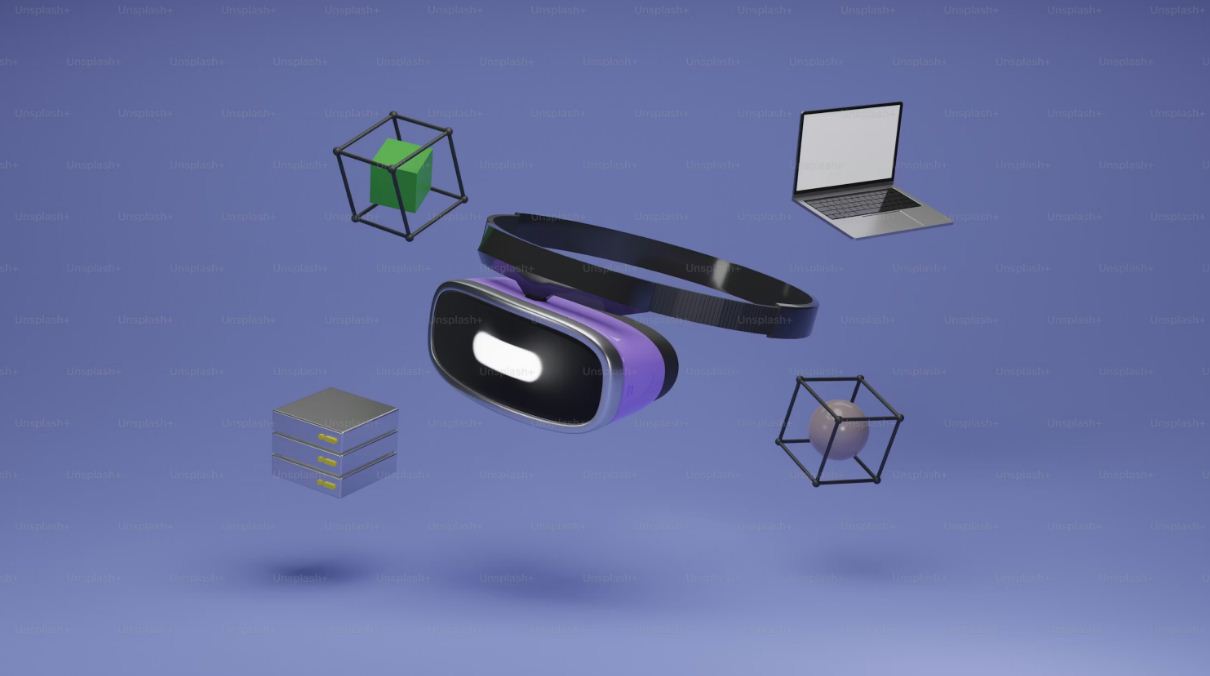
AR technology will enhance user experiences by overlaying digital information onto the real world. This can be applied in gaming, education, and navigation.
Advanced Wearables
Future wearables will offer more accurate health monitoring and even early disease detection.
Eco-Friendly Gadgets
Sustainability will become a priority, with manufacturers focusing on energy-efficient and recyclable devices.
Seamless Connectivity
The expansion of 5G and beyond will enable faster and more reliable connections, enhancing the performance of smart devices.
Conclusion
The evolution of gadgets is transforming the way we live, work, and interact with the world. Smart technology has made life more convenient and connected, but it also brings challenges that must be addressed.
As innovation continues, the future of gadgets promises even greater advancements. By embracing these technologies responsibly, we can unlock their full potential and create a smarter, more efficient world.




.jpg)