The world is changing faster than ever before. Advances in artificial intelligence, automation, digital communication, and globalization have transformed how people work, learn, and solve problems. In this rapidly evolving environment, education is no longer limited to schools and universities. Lifelong learning has become one of the most valuable investments individuals can make for personal growth, career advancement, and long-term success.
Lifelong learning means continuously developing knowledge and skills throughout life. It includes formal education, online courses, professional certifications, workshops, self-study, and practical experience. Whether someone is a student, business owner, teacher, engineer, healthcare worker, or retiree, learning never truly ends. The ability to adapt and acquire new skills is now one of the strongest predictors of future success.
This guide explores why lifelong learning matters, the benefits it offers, practical ways to continue learning, and how education is evolving in 2026.
What Is Lifelong Learning?
Lifelong learning is the ongoing process of acquiring knowledge, improving existing skills, and developing new abilities throughout every stage of life. Unlike traditional education, which often ends after graduation, lifelong learning encourages individuals to remain curious and continue growing professionally and personally.
Modern technology has made learning easier than ever. Online courses, educational videos, digital libraries, virtual classrooms, and AI-powered tutoring systems allow anyone with internet access to learn almost any subject from anywhere in the world.
Characteristics of Lifelong Learners
- Curiosity and willingness to learn
- Open-minded thinking
- Adaptability to change
- Problem-solving abilities
- Self-motivation
- Continuous skill improvement
- Growth mindset
Why Lifelong Learning Matters
Industries continue evolving as technology advances. Many jobs that exist today will change significantly over the next decade, while entirely new careers will emerge. Employees who regularly update their knowledge remain valuable to employers and better prepared for future opportunities.
Continuous learning also increases confidence, improves decision-making, and enables people to solve complex problems more effectively. Rather than fearing change, lifelong learners embrace it as an opportunity to grow.
Major Benefits
- Career advancement
- Higher earning potential
- Improved confidence
- Better communication skills
- Greater creativity
- Enhanced critical thinking
- Increased adaptability
Technology Has Changed Education
Education has become more accessible through digital innovation. Students can attend live virtual classes, watch recorded lectures, participate in discussion forums, complete interactive assignments, and collaborate with peers from different countries.
Artificial intelligence is also helping personalize education by identifying learning gaps and recommending study materials based on individual progress.
Educational Technologies
- Artificial Intelligence tutors
- Learning Management Systems
- Virtual classrooms
- Educational mobile apps
- Cloud-based collaboration
- Interactive quizzes
- Digital libraries
Skills That Matter in 2026
Modern employers value practical skills alongside academic qualifications. Professionals who combine technical knowledge with communication, teamwork, and leadership abilities often perform better in competitive workplaces.
Top Future Skills
- Critical thinking
- Digital literacy
- Artificial Intelligence awareness
- Data analysis
- Communication
- Leadership
- Project management
- Creativity
- Problem-solving
- Adaptability
Online Learning Opportunities
Online education offers flexibility that traditional classrooms often cannot provide. Working professionals can study during evenings or weekends, while students can revisit recorded lectures whenever necessary.
Many organizations now recognize online certifications, making digital education a practical pathway for career development.
Advantages of Online Education
- Flexible schedules
- Affordable learning
- Global access
- Wide course selection
- Self-paced study
- Career-focused certifications
Developing Better Study Habits
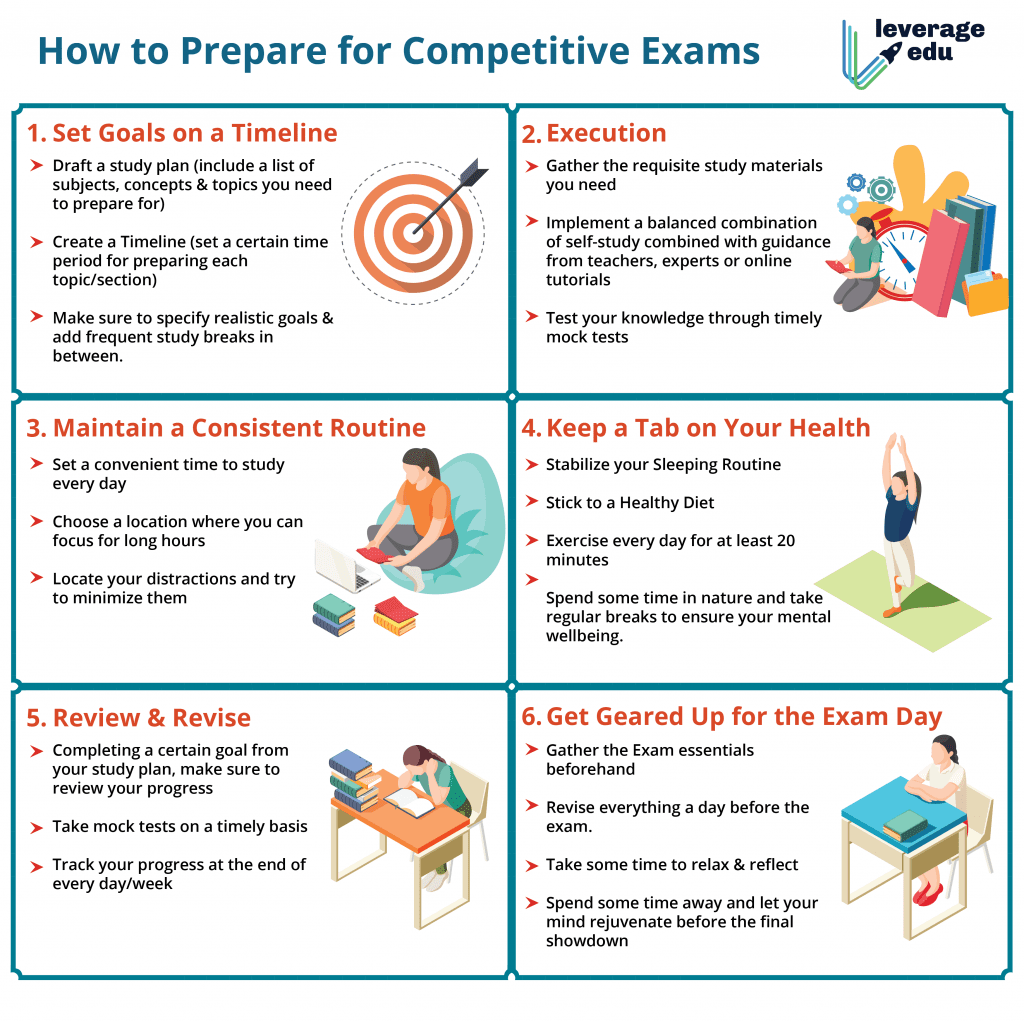
Learning effectively requires discipline and consistency. Creating a dedicated study environment, setting realistic goals, taking regular breaks, and reviewing material frequently improve long-term retention.
Study Tips
- Create a study schedule.
- Take organized notes.
- Practice regularly.
- Minimize distractions.
- Review previous lessons.
- Ask questions.
- Apply knowledge through projects.
The Role of Teachers
Teachers continue to play an essential role despite advances in technology. They inspire curiosity, guide students through challenges, provide mentorship, encourage collaboration, and develop critical thinking skills that technology alone cannot replace.
Modern educators combine traditional teaching methods with digital tools to create engaging and interactive learning experiences.
Challenges in Modern Education
Although educational technology has improved accessibility, challenges remain. Unequal internet access, digital distractions, affordability, and varying levels of digital literacy continue affecting learners worldwide.
Common Challenges
- Internet connectivity
- Technology costs
- Student engagement
- Information overload
- Time management
- Digital security
- Educational inequality
Education Trends in 2026
- AI-powered personalized learning
- Hybrid education models
- Virtual Reality classrooms
- Microlearning courses
- Skills-based certifications
- Gamified education
- Cloud collaboration
- Digital credentials
- Project-based learning
- Lifelong professional development
Conclusion
Lifelong learning is one of the most powerful tools for personal and professional success in 2026. As technology, industries, and workplaces continue evolving, individuals who remain committed to continuous education will be better prepared to seize new opportunities and overcome future challenges.
Whether through formal education, online courses, professional training, or self-directed study, every new skill adds value. By embracing curiosity, developing practical abilities, and maintaining a growth mindset, anyone can build a brighter future and achieve long-term success in an increasingly knowledge-driven world.