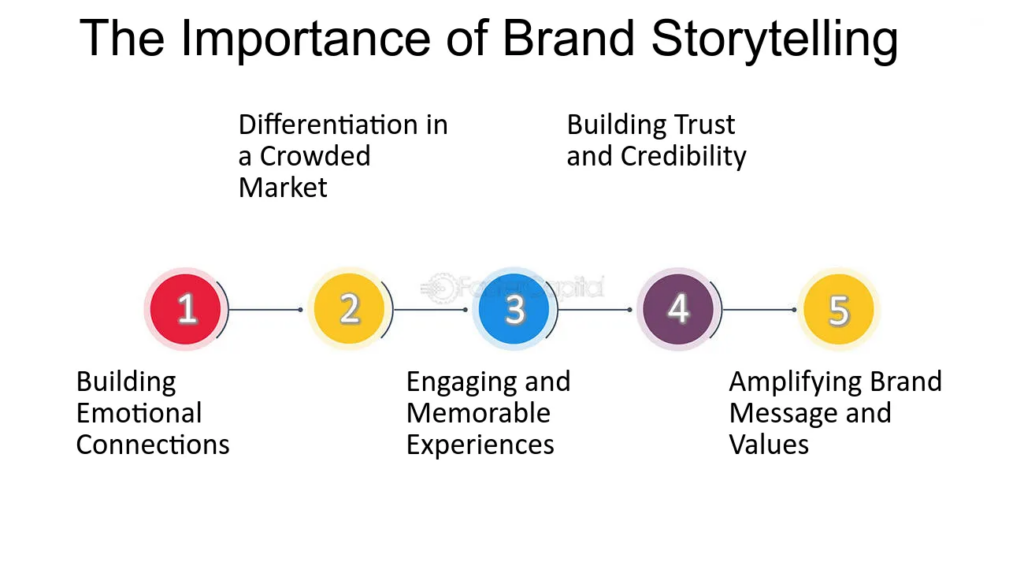
In the fast-paced world of digital media, where breaking news and short updates dominate timelines, feature stories continue to hold a special place. Feature articles go beyond basic facts and headlines, offering depth, emotion, and meaningful storytelling that connects with readers on a human level.
What Is a Feature Story?
A feature story is a type of article that focuses on people, experiences, trends, or issues in a detailed and engaging way. Unlike hard news, feature stories are not limited by time sensitivity. They aim to inform, entertain, and inspire readers through narrative-driven content.
The Role of Feature Content in Digital Platforms
Digital platforms thrive on content that keeps users engaged for longer periods. Feature stories are designed to capture attention, encourage scrolling, and build emotional connections, making them ideal for blogs, magazines, and online publications.
Storytelling Over Headlines
Feature articles prioritize storytelling rather than urgency. They allow writers to explore background, context, and personal perspectives, which helps readers understand the subject more deeply.
Human-Centered Content
Readers relate more strongly to stories about real people and real experiences. Feature stories highlight human struggles, achievements, and emotions, making content more relatable and memorable.
Types of Feature Articles
Feature writing covers a wide range of formats, each serving a different purpose.
Human Interest Features
These stories focus on individuals or communities, highlighting inspiring journeys, challenges, or success stories that resonate emotionally with readers.
Trend and Lifestyle Features
Lifestyle features explore trends in fashion, technology, health, travel, and culture. They help readers stay informed while offering practical insights.
In-Depth Analysis Features
These articles provide detailed analysis of complex topics such as social change, economic shifts, or technological advancements, presented in an easy-to-understand narrative style.
Why Feature Stories Are Important for SEO
Feature articles perform exceptionally well in search engines due to their depth and relevance. Long-form content with structured headings improves dwell time and search rankings.
Keyword Integration
Features allow natural keyword placement without stuffing. This improves content quality while maintaining SEO effectiveness.
Backlink Potential
High-quality feature content is more likely to be shared and referenced by other websites, increasing organic backlinks.
Visual Elements in Feature Writing
Images play a crucial role in enhancing feature stories. Visuals break long text, improve readability, and strengthen storytelling impact.
How Feature Content Builds Brand Authority
Websites that consistently publish well-researched feature articles establish themselves as trustworthy and authoritative sources. This builds long-term credibility and reader loyalty.
Audience Engagement
Feature stories encourage comments, shares, and discussions. Engaged audiences are more likely to return and trust the platform.
Challenges in Writing Feature Articles
Creating impactful feature stories requires time, research, and creativity. Writers must balance accuracy with storytelling while maintaining reader interest.
Maintaining Authenticity
Authenticity is key. Over-dramatization can reduce credibility, while genuine storytelling enhances trust.
The Future of Feature Stories
Despite the rise of short-form content, feature stories remain relevant. Podcasts, long-form blogs, and multimedia features are gaining popularity, proving that audiences still value depth.
Conclusion
Feature stories are the heart of meaningful journalism and content marketing. In modern digital media, they provide depth, emotion, and lasting impact that short news updates cannot achieve. For websites aiming to build authority, engagement, and trust, feature articles are not optional—they are essential.