Politics plays a crucial role in shaping societies, economies, and global relationships. In the modern world, political systems are evolving rapidly due to technological advancements, shifting public expectations, and increasing global interconnectedness.
Understanding modern politics is essential for individuals who want to stay informed and actively participate in their communities. This blog explores the key trends, challenges, and impacts of politics in today’s world.
The Changing Landscape of Politics
The political landscape has changed significantly over the past few decades. Traditional methods of campaigning and governance are being replaced or supplemented by digital tools and platforms.
Social media, online news, and digital communication have transformed how political messages are delivered and consumed. Leaders can now connect directly with citizens, bypassing traditional media channels.
Key Changes in Modern Politics
- Rise of digital campaigning
- Increased public participation
- Greater transparency and accountability
- Global interconnectedness
- Real-time information sharing
The Role of Social Media
Social media has become a powerful tool in modern politics. Platforms like Twitter, Facebook, and YouTube allow politicians to communicate directly with the public.
While social media enhances engagement, it also presents challenges such as misinformation and polarization. Managing these issues is critical for maintaining trust in political systems.
Advantages of Social Media in Politics
- Direct communication with citizens
- Faster dissemination of information
- Increased political awareness
- Greater public engagement
Globalization and Politics
Globalization has made political systems more interconnected. Decisions made in one country can have significant impacts on others.
International organizations, trade agreements, and diplomatic relations play a key role in shaping global politics. Cooperation between nations is essential for addressing global challenges such as climate change and economic stability.
Major Challenges in Modern Politics
Despite advancements, modern politics faces several challenges that can impact governance and public trust.
1. Misinformation
The spread of false information can influence public opinion and undermine democratic processes. Combating misinformation requires strong regulations and public awareness.
2. Political Polarization
Increasing divisions among political groups can lead to conflicts and hinder decision-making. Finding common ground is essential for progress.
3. Corruption
Corruption remains a major issue in many countries, affecting governance and economic development.
4. Economic Inequality
Unequal distribution of wealth can lead to social unrest and political instability.
The Role of Citizens
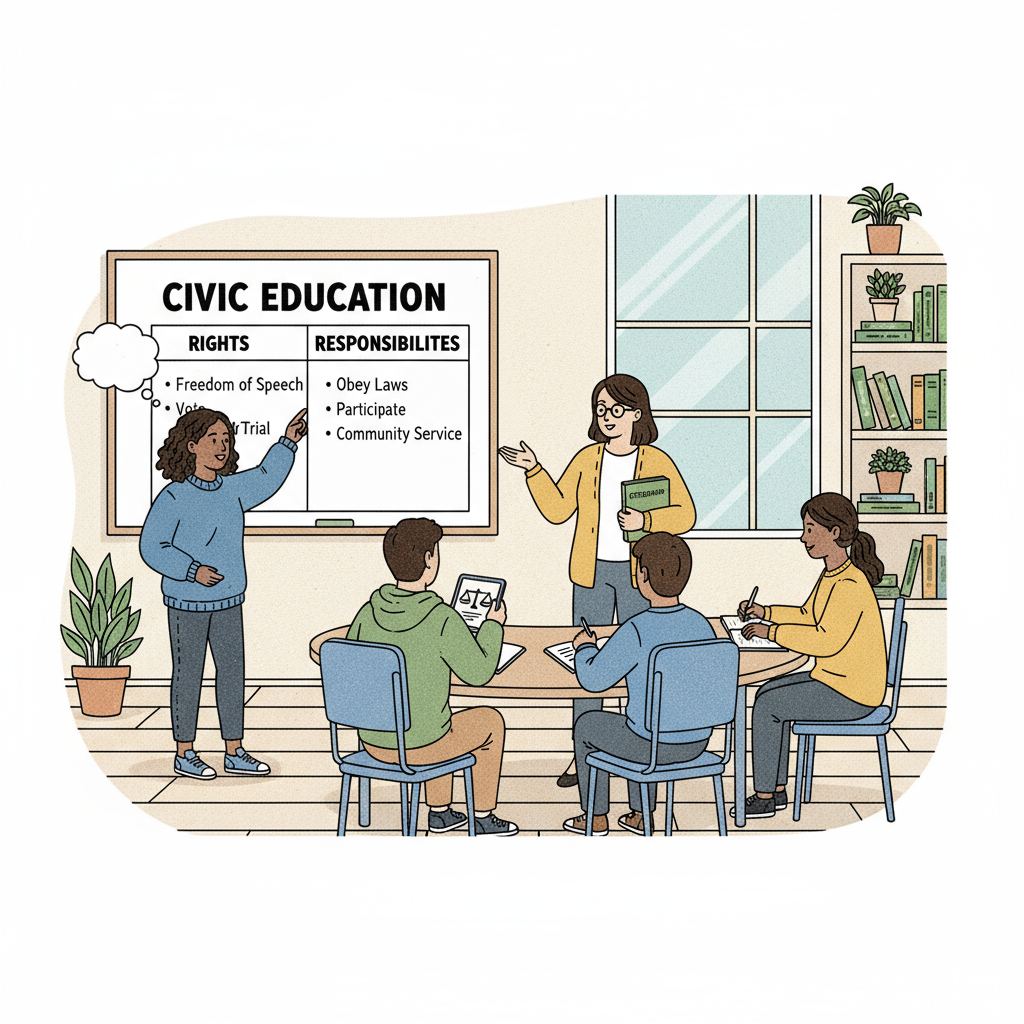
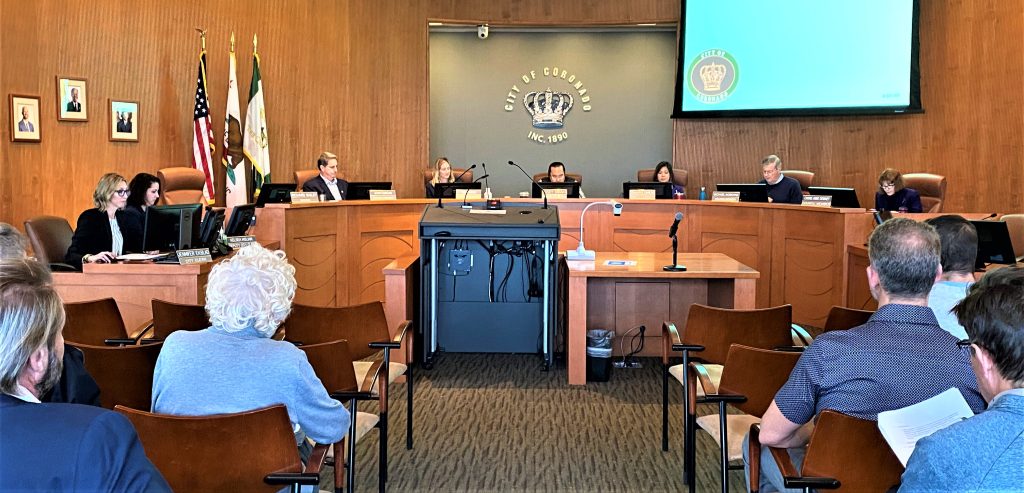
Citizens play a vital role in shaping political systems. Voting, participating in discussions, and staying informed are essential for a healthy democracy.
Active citizenship ensures that governments remain accountable and responsive to public needs.
Ways to Participate
- Voting in elections
- Engaging in community discussions
- Staying informed through reliable sources
- Advocating for important issues
The Impact of Technology on Governance
Technology is transforming governance by improving efficiency and transparency. Digital tools enable governments to deliver services more effectively and engage with citizens.
E-governance initiatives, online public services, and digital voting systems are examples of how technology is shaping modern politics.
Benefits of Digital Governance
- Improved public service delivery
- Greater transparency
- Enhanced citizen engagement
- Reduced administrative costs
Future Trends in Politics
The future of politics will be influenced by technological advancements, demographic changes, and evolving public expectations.
- Increased use of artificial intelligence in governance
- Greater focus on sustainability and climate policies
- Enhanced global cooperation
- More inclusive political systems
Conclusion
Modern politics is complex and constantly evolving. Understanding its trends and challenges is essential for navigating today’s world.
By staying informed and actively participating, individuals can contribute to building stronger, more transparent, and more effective political systems.