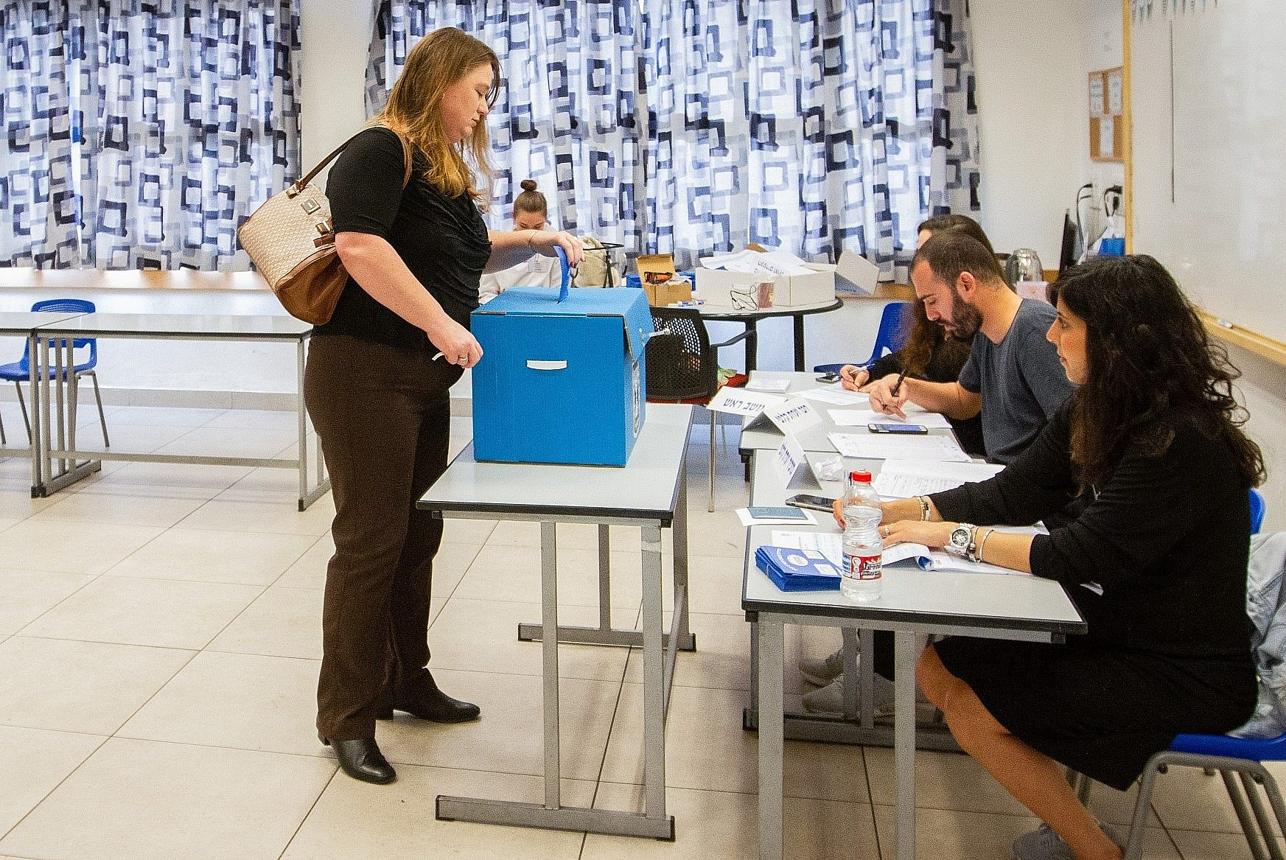
Politics plays a vital role in every society by influencing how governments function, how laws are created, and how public resources are managed. From local communities to international organizations, political decisions affect education, healthcare, business, technology, employment, infrastructure, and the overall quality of life. Understanding politics helps citizens make informed decisions, participate in democratic processes, and contribute positively to society.
In today`s interconnected world, political events in one country can have significant effects across the globe. Economic policies, international trade agreements, environmental regulations, and diplomatic relationships influence businesses, investors, students, and ordinary citizens alike. As technology continues to evolve, politics has become more transparent, interactive, and accessible through digital platforms and social media.
This article explores the fundamentals of modern politics, the role of governments, political systems, public policy, and the importance of citizen participation in building stronger democracies.
What Is Politics?
Politics is the process through which societies make collective decisions. It involves the distribution of power, the creation of laws, the management of public institutions, and the development of policies that address national and local issues. Political systems provide the framework through which governments operate and serve their citizens.
Effective political systems encourage accountability, transparency, public participation, and the rule of law. Strong institutions help maintain stability while protecting the rights and freedoms of citizens.
Why Politics Matters
- Creates and enforces laws.
- Protects citizens` rights and freedoms.
- Supports economic growth and development.
- Provides public services.
- Maintains national security.
- Builds international relationships.
Major Political Systems Around the World
Different countries adopt different political systems based on their history, constitution, culture, and governance models. While the structure of governments varies, the primary objective remains serving the public interest and maintaining social order.
Common Political Systems
- Democracy
- Parliamentary System
- Presidential System
- Constitutional Monarchy
- Federal System
- Unitary System
Each system has unique advantages and challenges depending on how power is distributed, how leaders are selected, and how government institutions interact.
The Role of Government
Governments are responsible for maintaining law and order, protecting national interests, providing essential public services, and promoting economic development. Effective governance requires cooperation between different branches of government and public institutions.
Good governance emphasizes accountability, transparency, efficient public administration, and responsible use of public resources. Citizens benefit when governments operate fairly and effectively.
"Strong societies are built when informed citizens actively participate in shaping their future."
Public Policy and Its Impact
Public policy refers to the decisions and actions governments take to address issues affecting society. Policies influence healthcare, education, transportation, environmental protection, taxation, business regulation, and social welfare.
Well-designed policies promote sustainable development, improve living standards, and create opportunities for individuals and businesses. Policy decisions often require balancing economic growth with social and environmental responsibilities.
Areas Influenced by Public Policy
- Education
- Healthcare
- Infrastructure
- Business and Trade
- Technology and Innovation
- Environmental Protection
- Employment
The Importance of Civic Participation
Civic participation is essential for healthy democracies. Citizens contribute by voting, engaging in public discussions, volunteering in communities, staying informed, and communicating with elected representatives. Active participation strengthens democratic institutions and encourages governments to remain accountable to the people they serve.
Informed citizens are better equipped to evaluate policies, understand political issues, and make decisions that support long-term national development and social progress.