Politics plays a crucial role in shaping societies, economies, and the future of nations. In today’s rapidly changing world, political systems are evolving to address new challenges such as globalization, technological advancements, climate change, and shifting public expectations. Understanding modern politics is essential for citizens who want to stay informed and actively participate in democratic processes.
The Role of Politics in Society
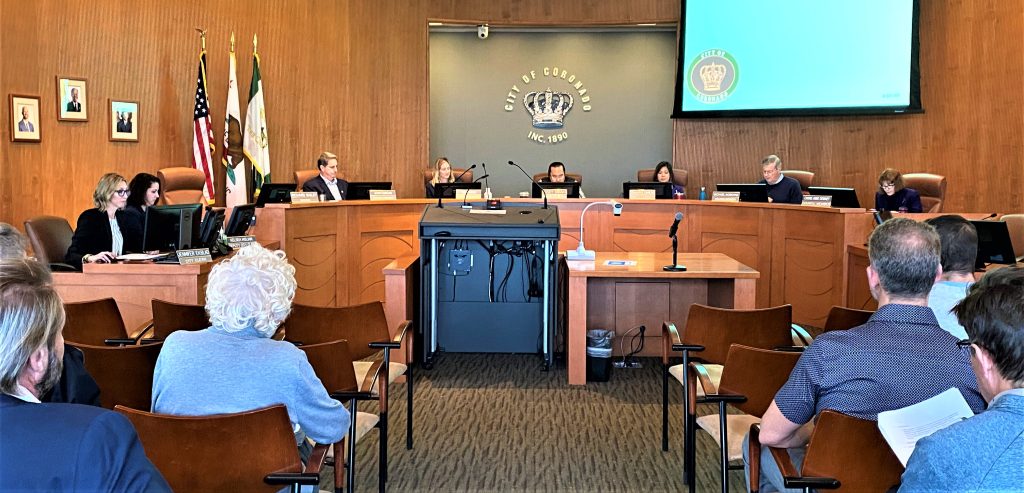
At its core, politics is about governance and decision-making. Governments create policies that affect every aspect of life, from education and healthcare to economic growth and national security. Political systems aim to balance the needs and interests of different groups within society.
In democratic systems, citizens have the power to influence decisions through voting, public discourse, and civic engagement. This makes awareness and participation vital components of a healthy political environment.
Key Challenges in Modern Politics
1. Globalization
The interconnectedness of countries has made political decisions more complex. Policies in one nation can have far-reaching effects on others, requiring international cooperation and diplomacy.
2. Technological Disruption
Social media and digital platforms have transformed how political information is shared. While they increase accessibility, they also raise concerns about misinformation and data privacy.
3. Climate Change
Environmental issues are now at the forefront of political agendas. Governments must develop sustainable policies to address climate challenges while balancing economic growth.
4. Economic Inequality
The gap between rich and poor continues to widen in many parts of the world. Addressing inequality is a major political challenge that requires effective policy-making.
Opportunities in Modern Politics
Digital Engagement
Technology has made it easier for citizens to engage with political processes. Online platforms allow people to share opinions, participate in discussions, and stay informed.
Inclusive Governance
There is a growing emphasis on diversity and inclusion in politics. Efforts are being made to ensure representation for marginalized groups.
Policy Innovation
Governments are adopting innovative approaches to solve complex problems. Data-driven decision-making and collaborative governance are becoming more common.
Global Cooperation
International organizations and alliances are working together to address global issues such as pandemics and climate change.
The Impact of Media on Politics
Media plays a significant role in shaping public opinion. Traditional media outlets and social media platforms influence how political information is perceived and discussed.
While media can promote transparency and accountability, it can also spread misinformation. Critical thinking and media literacy are essential skills for navigating the modern political landscape.
The Role of Citizens
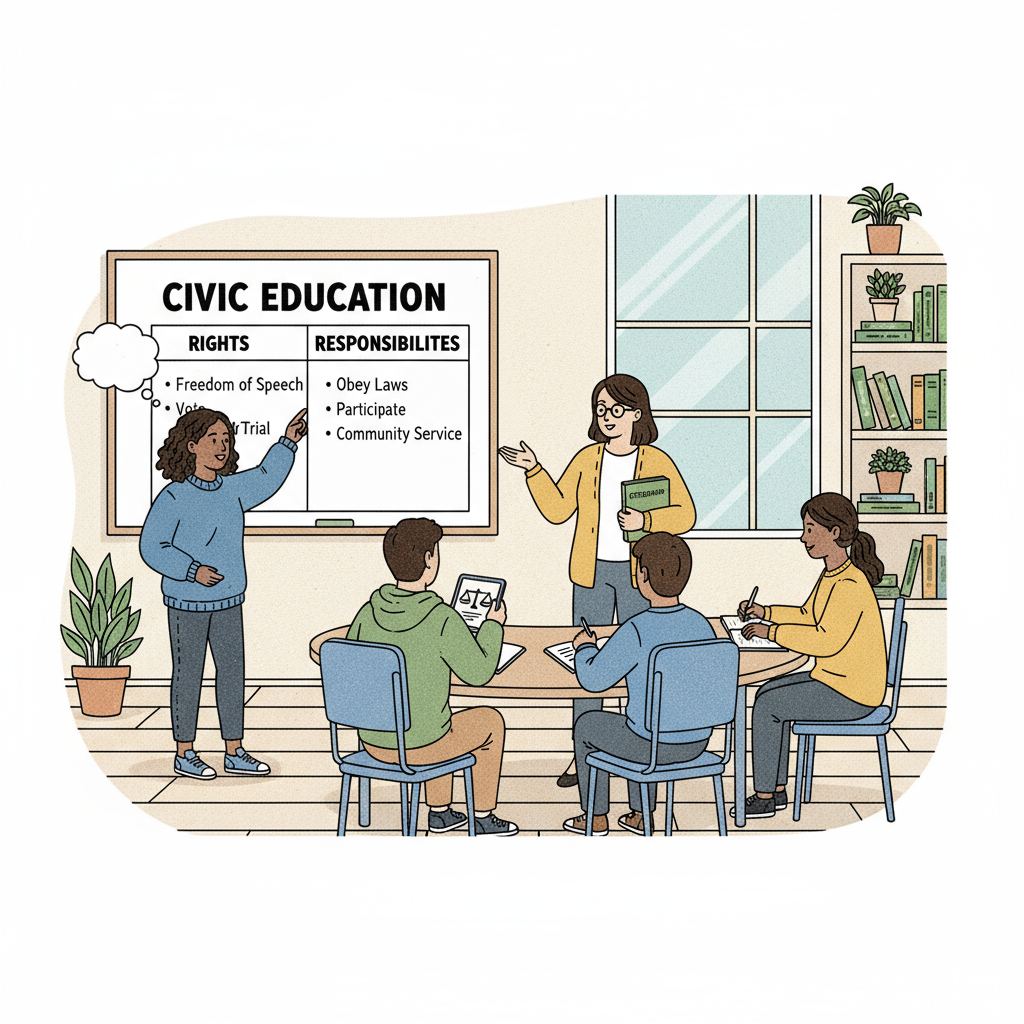
Citizens are at the heart of any political system. Active participation, informed decision-making, and civic responsibility contribute to a strong democracy.
Voting, engaging in discussions, and holding leaders accountable are ways individuals can make a difference. Education and awareness empower citizens to take meaningful action.
Future Trends in Politics
Increased Use of Technology
Digital tools will continue to shape political campaigns, governance, and public engagement.
Focus on Sustainability
Environmental policies will play a central role in political decision-making.
Decentralization
Power may shift towards local governments and communities, allowing for more tailored solutions.
Youth Participation
Younger generations are becoming more involved in politics, bringing fresh perspectives and ideas.
Conclusion
Modern politics is complex and constantly evolving. While challenges such as globalization and technological disruption exist, there are also significant opportunities for innovation and progress.
By staying informed and actively participating, individuals can contribute to shaping a better future. Politics is not just about leaders and governments—it is about people, ideas, and the collective effort to build a more just and sustainable world.