Politics plays a vital role in shaping every society. It influences economic growth, education, healthcare, national security, international relations, and the daily lives of citizens. In 2026, politics has become more dynamic than ever due to technological innovation, social media, globalization, and rapidly changing public expectations.
Governments around the world face major challenges, including economic development, climate change, cybersecurity, public health, and digital transformation. At the same time, citizens expect greater transparency, accountability, and participation in decision-making. Understanding how modern political systems work helps people become informed citizens and actively contribute to democratic societies.
What Is Politics?
Politics is the process through which governments and public institutions make decisions, create laws, allocate resources, and represent the interests of citizens. Political systems vary across countries, but their primary goal is to maintain order, promote development, and protect the rights of the people.
1. The Importance of Good Governance
Good governance refers to the effective, transparent, and accountable management of public affairs. Strong governance helps build trust between governments and citizens while supporting sustainable economic and social development.
Characteristics of Good Governance
- Transparency.
- Accountability.
- Rule of law.
- Public participation.
- Efficient public services.
- Equal opportunities.
Countries with strong governance often experience higher levels of economic stability and public confidence.
2. The Role of Democracy
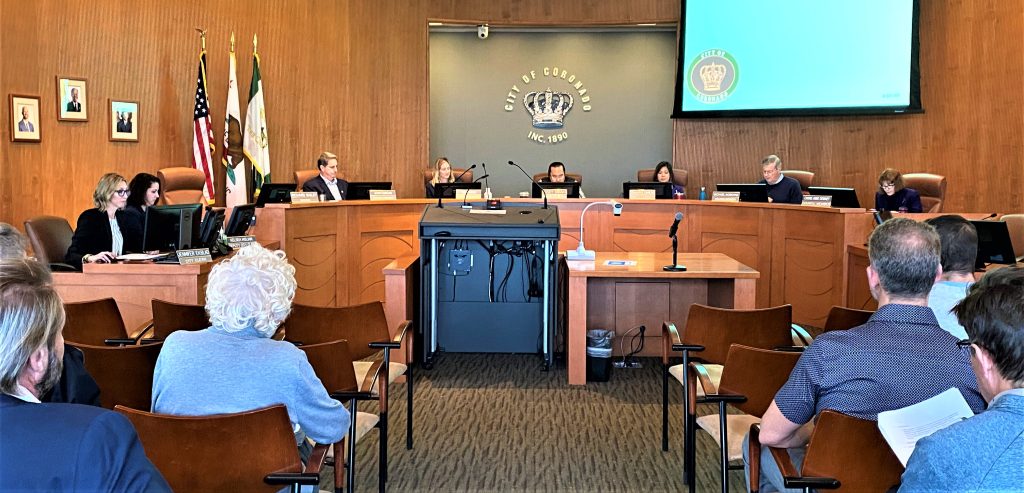
Democracy allows citizens to participate in selecting their leaders and influencing public policies through elections and civic engagement. A healthy democracy depends on informed voters, independent institutions, and respect for the rule of law.
Benefits of Democracy
- Protection of individual rights.
- Peaceful transfer of power.
- Public participation.
- Greater government accountability.
- Freedom of expression.
3. Technology and Politics
Technology has transformed political communication and public engagement. Governments use digital platforms to provide services, while political leaders communicate directly with citizens through social media and online campaigns.
Positive Impacts
- Faster public communication.
- Improved access to government services.
- Greater civic participation.
- Online policy consultations.
- Digital transparency initiatives.
At the same time, digital platforms also present challenges related to misinformation, cybersecurity, and online privacy.
4. Economic Policy and National Development
Economic policies influence employment, inflation, taxation, trade, infrastructure, and public investment. Governments must balance economic growth with financial stability and social welfare.
Key Economic Priorities
- Job creation.
- Investment in infrastructure.
- Support for businesses.
- Education funding.
- Healthcare investment.
- Innovation and technology.
5. Environmental Policies
Climate change has become one of the most significant political issues worldwide. Governments are developing policies to reduce carbon emissions, protect natural resources, and promote renewable energy.
Environmental Priorities
- Clean energy investment.
- Pollution reduction.
- Forest conservation.
- Sustainable agriculture.
- Climate adaptation planning.
6. International Relations
Countries cooperate through diplomacy, trade agreements, international organizations, and strategic partnerships to address shared global challenges.
Areas of Cooperation
- Trade and investment.
- Security cooperation.
- Scientific research.
- Climate action.
- Public health initiatives.
7. Citizen Participation
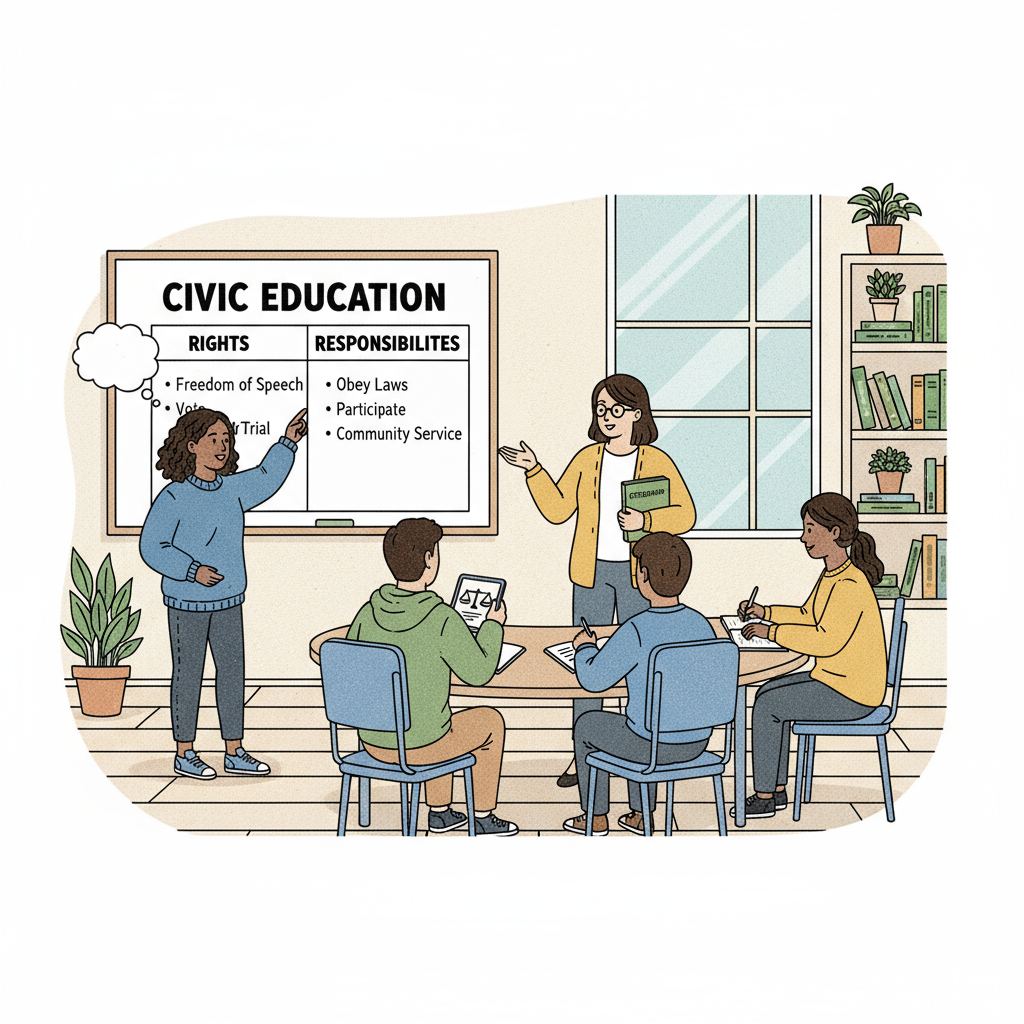
Citizens play an essential role in democratic societies by voting, participating in community discussions, staying informed, and engaging in peaceful civic activities.
Active civic participation strengthens democratic institutions and encourages governments to remain responsive to public needs.
will cover political challenges, public policy, leadership, youth participation, future political trends, conclusion, and SEO-friendly FAQs while continuing the same HTML format.
8. Major Political Challenges in 2026
Governments across the world face a wide range of complex challenges that require careful planning, public cooperation, and international collaboration. Rapid technological change, economic uncertainty, and environmental concerns have made policymaking more demanding than ever.
Key Political Challenges
- Economic inflation and rising living costs.
- Cybersecurity threats.
- Climate change and environmental protection.
- Public healthcare preparedness.
- Managing artificial intelligence responsibly.
- Strengthening public trust in institutions.
Addressing these issues requires long-term strategies supported by evidence, transparency, and public engagement.
9. Public Policy and Decision-Making
Public policy is the collection of laws, regulations, and government actions designed to solve social, economic, and environmental issues. Effective policymaking depends on research, consultation, and careful evaluation.
Policy Areas
- Education reform.
- Healthcare improvement.
- Economic development.
- Transportation infrastructure.
- Environmental sustainability.
- Digital transformation.
Well-designed public policies can improve quality of life while supporting long-term national development.
10. The Importance of Ethical Leadership
Strong leadership is built on integrity, accountability, transparency, and a commitment to serving the public interest. Ethical leaders encourage trust and help institutions function effectively.
Qualities of Effective Leaders
- Honesty.
- Responsibility.
- Good communication.
- Evidence-based decision-making.
- Respect for diversity.
- Long-term vision.
Leadership that values fairness and accountability contributes to stronger democratic institutions.
11. Youth Participation in Politics
Young people are becoming increasingly active in discussions about education, employment, technology, climate action, and social development. Their participation brings fresh ideas and helps shape future public policies.
Ways Young People Participate
- Voting in elections.
- Community volunteering.
- Public awareness campaigns.
- Student organizations.
- Policy discussions.
- Digital civic engagement.
Encouraging informed participation strengthens democratic processes and prepares future leaders.
12. The Future of Politics
Political systems continue to evolve alongside advances in technology and changes in society. Governments are increasingly adopting digital tools to improve efficiency, accessibility, and public services.
Emerging Trends
- Digital government services.
- Artificial Intelligence for public administration.
- Open data initiatives.
- Greater citizen participation through technology.
- Stronger international cooperation.
- Increased focus on sustainability.
Technology has the potential to improve governance when implemented responsibly and transparently.
How Citizens Can Stay Informed
- Follow reliable news sources.
- Read official government announcements.
- Learn about public policies.
- Participate in community discussions.
- Verify information before sharing it.
- Respect different viewpoints and engage in constructive dialogue.
Being informed helps citizens make thoughtful decisions and contribute positively to society.
Conclusion
Politics influences nearly every aspect of modern life, from education and healthcare to economic growth and environmental protection. In 2026, effective governance depends on transparency, accountability, public participation, and evidence-based policymaking.
As societies continue to evolve, governments, institutions, and citizens all share responsibility for building inclusive, resilient, and sustainable communities. Staying informed, participating respectfully in civic life, and supporting constructive dialogue can help strengthen democratic institutions and contribute to long-term national progress.
Frequently Asked Questions (FAQ)
Why is politics important?
Politics shapes laws, public services, economic policies, education, healthcare, infrastructure, and many other aspects of daily life.
What is good governance?
Good governance refers to transparent, accountable, efficient, and inclusive management of public affairs that serves the interests of citizens.
How does technology influence politics?
Technology improves communication, expands access to public services, supports civic participation, and enables digital government, while also creating challenges related to cybersecurity and misinformation.
Why is citizen participation important?
Citizen participation helps governments understand public needs, improves accountability, and strengthens democratic decision-making.
What are the major political priorities in 2026?
Common priorities include economic development, education, healthcare, environmental sustainability, cybersecurity, responsible use of technology, and improving public services.