Health and fitness have become more than just trends — they are now essential pillars of a successful and balanced life. In 2026, people are more aware than ever about the importance of physical strength, mental wellness, proper nutrition, and sustainable lifestyle habits. With busy schedules, digital distractions, and increasing stress levels, maintaining good health requires intentional effort and smart strategies.
This comprehensive guide explores the latest health and fitness trends, practical workout strategies, nutrition essentials, mental wellness practices, and sustainable habits that can help you achieve long-term success.
Why Health & Fitness Matter More Than Ever
A healthy body supports productivity, confidence, and overall happiness. Regular exercise reduces the risk of chronic diseases such as heart disease, diabetes, and obesity. It also improves mood, boosts energy levels, and enhances mental clarity.
In today’s fast-paced world, many people spend long hours sitting at desks or using digital devices. This sedentary lifestyle increases the risk of health complications. Incorporating movement, balanced nutrition, and proper rest into daily routines is essential for maintaining overall wellness.
Modern Fitness Trends in 2026
1. Hybrid Workouts
Hybrid fitness programs combine gym training with home workouts. With online coaching and fitness apps, people can follow structured routines anywhere. This flexibility helps maintain consistency.
2. Functional Training
Functional workouts focus on movements that improve everyday activities such as lifting, bending, and climbing stairs. These exercises enhance balance, coordination, and overall strength.
3. Mind-Body Training
Practices like yoga, Pilates, and meditation are gaining popularity. They improve flexibility, posture, breathing control, and mental clarity. Combining physical and mental exercises leads to holistic wellness.
4. Wearable Fitness Technology
Smartwatches and fitness trackers help monitor heart rate, calories burned, sleep quality, and stress levels. Data-driven insights allow individuals to optimize workouts and recovery periods.
Designing an Effective Workout Plan
An effective fitness plan should include a combination of strength training, cardiovascular exercise, flexibility training, and rest days. Here’s a balanced weekly structure:
- Strength Training (3–4 days): Focus on major muscle groups.
- Cardio (2–3 days): Running, cycling, swimming, or HIIT workouts.
- Flexibility & Mobility (2–3 days): Stretching or yoga sessions.
- Rest & Recovery (1–2 days): Allow muscles to repair and grow.
Consistency is more important than intensity. Start gradually and increase difficulty over time to avoid injuries.
The Importance of Nutrition
Nutrition fuels your body and supports recovery. A balanced diet includes:
1. Protein
Essential for muscle repair and growth. Sources include lean meats, eggs, beans, lentils, and dairy products.
2. Healthy Carbohydrates
Provide energy for workouts. Choose whole grains, fruits, and vegetables.
3. Healthy Fats
Support brain function and hormone balance. Include nuts, seeds, avocados, and olive oil.
4. Hydration
Water is critical for performance and recovery. Aim for at least 2–3 liters daily, depending on activity level.
Avoid excessive processed foods, sugary drinks, and unhealthy fats. Meal planning can help maintain consistency.
Mental Health and Fitness Connection
Physical fitness and mental health are deeply connected. Regular exercise releases endorphins, reducing stress and anxiety. Meditation and breathing exercises improve focus and emotional stability.
Sleep is equally important. Adults should aim for 7–9 hours of quality sleep per night. Recovery time allows the body and mind to reset.
Building Sustainable Habits
Short-term motivation fades, but long-term habits create lasting results. Follow these strategies:
- Set realistic and measurable goals.
- Create a consistent daily routine.
- Track progress through journals or apps.
- Find a workout partner for accountability.
- Celebrate small achievements.
Remember, health is a lifelong journey, not a temporary challenge.
Common Fitness Mistakes to Avoid
- Skipping warm-ups and cool-downs
- Overtraining without rest days
- Ignoring proper form during exercises
- Following extreme diet trends
- Expecting instant results
Patience, discipline, and proper guidance are key to avoiding setbacks.
The Future of Health & Fitness
Technology will continue to shape the fitness industry. AI-powered training plans, virtual reality workouts, and personalized nutrition programs are becoming mainstream. Telehealth services allow remote consultations with trainers and nutritionists.
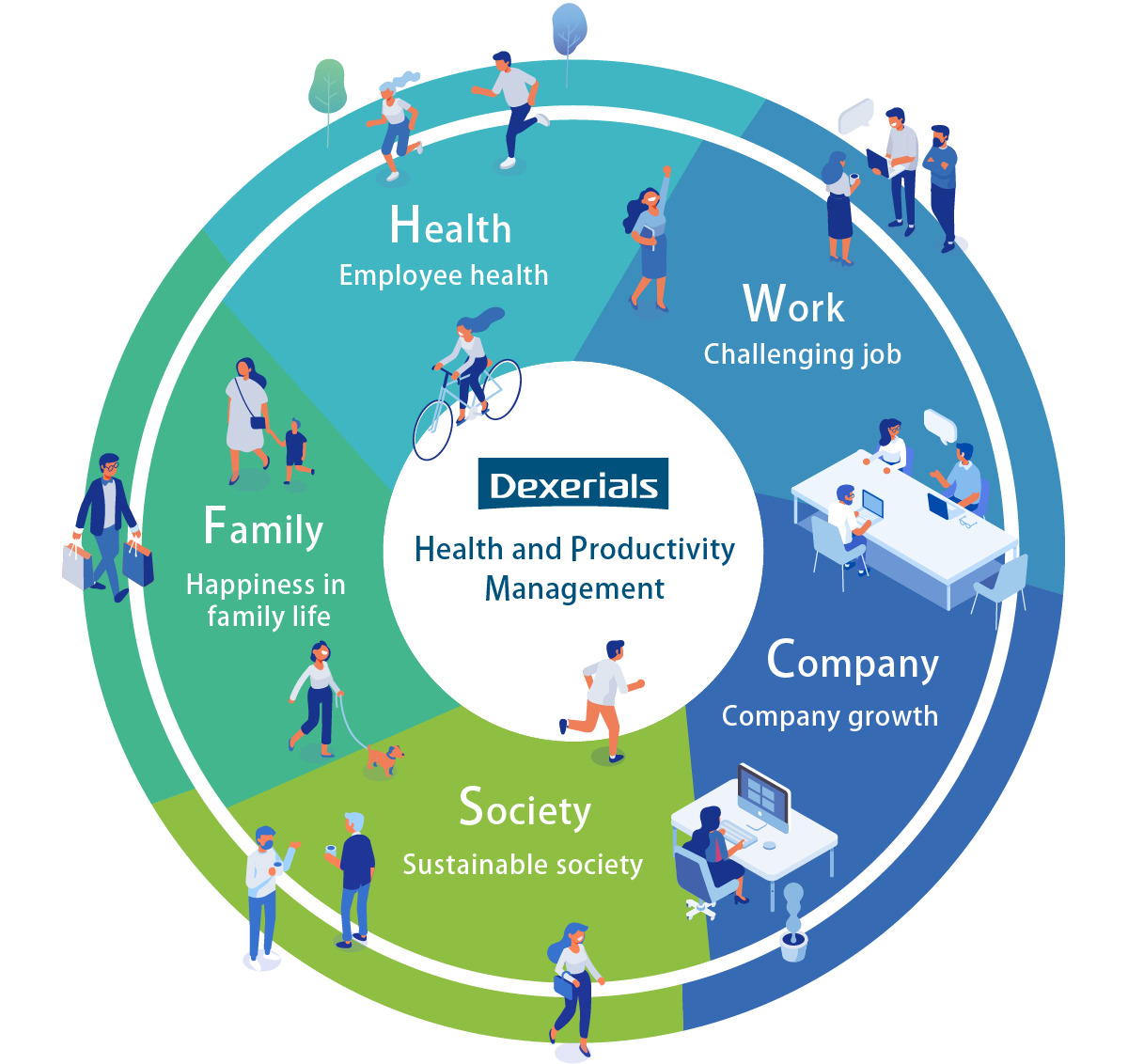
There is also a growing focus on preventive healthcare rather than reactive treatment. Wellness programs in workplaces encourage employees to maintain active lifestyles.
Conclusion
Health and fitness in 2026 go beyond aesthetics. They represent strength, resilience, mental clarity, and long-term well-being. By combining structured workouts, balanced nutrition, mental wellness practices, and sustainable habits, anyone can build a stronger body and mind.
The key is consistency, patience, and self-discipline. Start small, stay committed, and prioritize your health every day. A healthier lifestyle today ensures a brighter, more energetic tomorrow.