Education has always been a cornerstone of human progress. From ancient classrooms to modern universities, learning systems have evolved to meet the needs of society. However, the digital revolution has accelerated the transformation of education in ways never seen before. Technology has not only changed how knowledge is delivered but also how students interact with information, teachers, and each other.
Today, education is no longer limited to physical classrooms or traditional textbooks. Online courses, digital learning platforms, educational apps, and virtual classrooms are redefining the entire learning experience. Students now have access to knowledge from around the world, allowing them to learn new skills and subjects from anywhere with an internet connection.
The Evolution of Modern Education
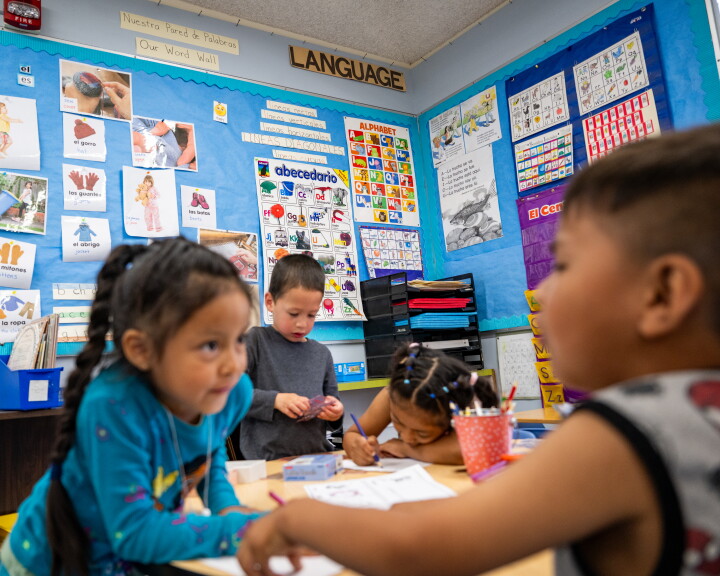
Education has undergone significant changes over the centuries. Traditional education relied heavily on memorization and lecture-based teaching. Students gathered in classrooms while teachers delivered lessons from textbooks and blackboards.
While this system served society for many years, it had limitations. Access to education was restricted by location, financial resources, and institutional capacity. Many talented students around the world were unable to pursue quality education simply because they lacked access to schools or universities.
The digital age has begun to remove these barriers. Technology enables education systems to reach students regardless of their geographical location. Online universities, digital libraries, and educational video platforms now make learning more accessible than ever before.
Benefits of Digital Learning
1. Accessibility for Everyone
One of the greatest advantages of digital education is accessibility. Students from remote areas can now access high-quality educational content through online platforms. A learner in a small town can watch lectures from world-renowned universities or enroll in professional training courses that were once available only in major cities.
2. Flexible Learning Schedules
Online learning offers flexibility that traditional education often lacks. Students can study at their own pace and schedule lessons according to their daily routines. This flexibility benefits working professionals, parents, and individuals who want to improve their skills while managing other responsibilities.
3. Diverse Learning Resources
Digital education provides access to various learning materials such as video lectures, interactive quizzes, digital textbooks, podcasts, and discussion forums. These resources help students understand complex concepts more effectively and make learning more engaging.
Technology Shaping the Future of Education
Artificial Intelligence in Education
Artificial intelligence is becoming a powerful tool in modern education. AI-powered platforms can analyze students’ learning patterns and provide personalized recommendations. These systems help identify areas where students struggle and offer targeted exercises to improve understanding.
Virtual and Augmented Reality
Virtual reality (VR) and augmented reality (AR) are transforming the way students experience learning. Instead of simply reading about historical events or scientific concepts, students can explore virtual environments that bring lessons to life. For example, medical students can practice surgical procedures in simulated environments before working with real patients.
Cloud-Based Collaboration
Cloud technology allows students and teachers to collaborate from different locations. Group projects, document sharing, and virtual discussions can take place seamlessly through online platforms. This collaborative approach prepares students for modern workplaces that rely heavily on digital communication tools.
Challenges in Digital Education
Despite its many advantages, digital education also faces challenges. One major issue is the digital divide. Not all students have access to reliable internet connections or modern devices. This inequality can create gaps in learning opportunities between different communities.
Another challenge is maintaining student engagement. Without physical classroom interaction, some students may struggle to stay motivated during online lessons. Teachers must develop creative strategies to keep learners interested and actively participating.
Cybersecurity and data privacy are also important concerns. Educational institutions must ensure that students’ personal information and academic records are protected from digital threats.
The Role of Teachers in the Digital Era
While technology has transformed education, teachers remain essential to the learning process. Educators provide guidance, mentorship, and emotional support that digital platforms cannot fully replace. The role of teachers is evolving from simply delivering information to facilitating interactive learning experiences.
Teachers now integrate technology into their teaching strategies by using multimedia presentations, online discussions, and digital assessments. This blended approach combines the strengths of traditional education with the advantages of modern technology.
Preparing Students for the Future
Modern education systems must prepare students for a rapidly changing world. Digital literacy, critical thinking, creativity, and problem-solving skills are becoming increasingly important. Employers now look for individuals who can adapt to technological changes and work effectively in digital environments.
Educational institutions must therefore focus not only on academic knowledge but also on practical skills that students can apply in real-world situations. Programs in coding, digital marketing, data analysis, and entrepreneurship are becoming popular because they align with current industry demands.
Conclusion
The digital age has transformed education into a more accessible, flexible, and interactive system. Technology has opened doors for millions of learners around the world who previously lacked opportunities to pursue quality education. Online platforms, AI-driven tools, and immersive learning technologies are reshaping how knowledge is shared and consumed.
Although challenges remain, the future of education looks promising. By combining technological innovation with strong teaching practices, education systems can create powerful learning experiences that prepare students for success in a rapidly evolving global society.