Technology continues to evolve at an extraordinary pace, transforming the way people work, communicate, travel, learn, and entertain themselves. In 2026, gadgets have become smarter, faster, and more integrated into daily life than ever before. From artificial intelligence-powered devices to wearable technology and smart home systems, modern gadgets are redefining convenience and productivity.
Consumers today expect devices that not only perform specific functions but also work seamlessly together to create connected digital ecosystems. As innovation accelerates, manufacturers are focusing on creating products that enhance efficiency, improve health, strengthen security, and simplify everyday activities.
This article explores some of the most influential technology gadgets shaping modern life in 2026 and examines how these innovations are impacting consumers worldwide.
The Growing Importance of Smart Technology
Smart technology has become a central component of modern living. Devices equipped with artificial intelligence, machine learning, and internet connectivity can now understand user behavior, automate routine tasks, and provide personalized experiences.
The widespread adoption of smart gadgets is helping individuals save time, improve productivity, and gain better control over their personal and professional lives.
AI-Powered Smartphones
The Evolution of Mobile Devices
Smartphones remain the most essential gadget for billions of people worldwide. In 2026, AI-powered smartphones have evolved beyond communication tools into intelligent personal assistants capable of managing various aspects of daily life.
Advanced processors enable real-time language translation, professional-grade photography, personalized recommendations, and predictive task management. AI systems learn user preferences over time and adapt device functionality accordingly.
Enhanced Camera Technology
Modern smartphone cameras use computational photography and artificial intelligence to capture stunning images in virtually any environment. Features such as automatic scene optimization, object recognition, and real-time editing allow users to create professional-quality content without specialized equipment.
Smartwatches and Wearable Technology
Health Monitoring Capabilities
Wearable technology has experienced tremendous growth in recent years. Smartwatches can now monitor heart rate, blood oxygen levels, sleep quality, stress indicators, and physical activity with remarkable accuracy.
These devices provide valuable health insights that help users make informed lifestyle decisions and maintain wellness goals.
Fitness and Productivity Features
Modern wearables combine fitness tracking with productivity tools. Users can receive notifications, answer calls, manage schedules, and control smart home devices directly from their wrists.
This level of convenience makes wearable technology an essential companion for busy professionals and active individuals.
Smart Home Ecosystems
Connected Living Spaces
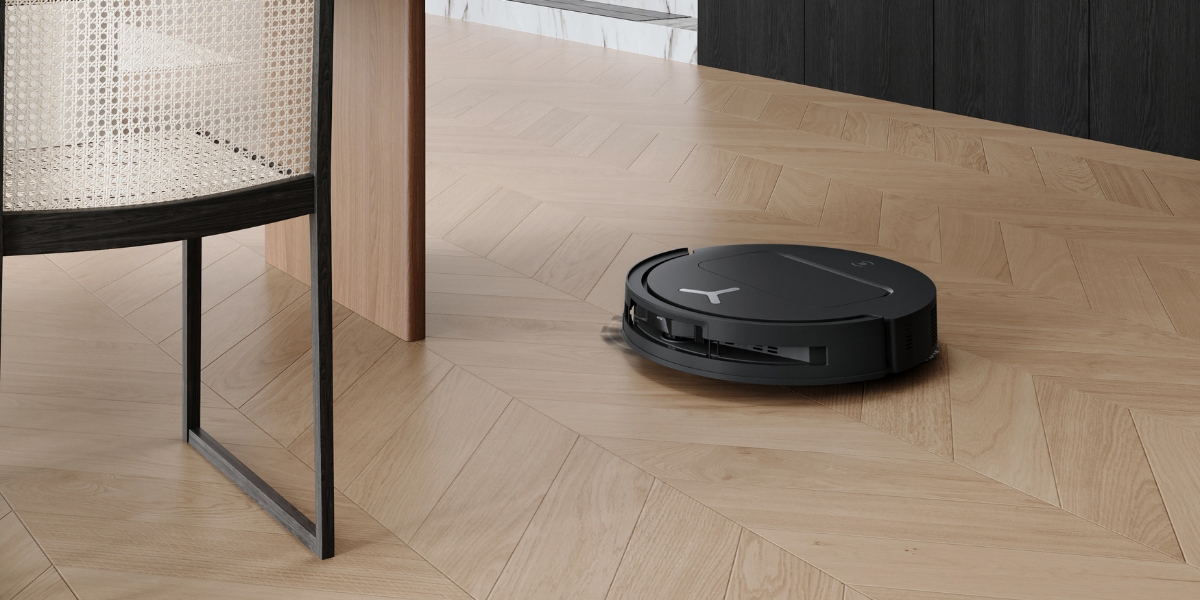
Smart home technology has transformed residential environments into intelligent living spaces. Homeowners can control lighting, temperature, security systems, appliances, and entertainment devices through centralized applications or voice commands.
The integration of AI allows smart homes to learn user habits and automatically adjust settings for maximum comfort and efficiency.
Energy Efficiency
Smart thermostats, intelligent lighting systems, and connected appliances help reduce energy consumption by optimizing resource usage. This not only lowers utility costs but also supports environmental sustainability efforts.
Wireless Earbuds and Audio Innovation
Wireless earbuds have become increasingly sophisticated. Advanced noise cancellation technology, spatial audio experiences, and AI-powered sound optimization provide exceptional listening quality.
Many models now include health monitoring features, voice assistants, and real-time language translation capabilities, making them versatile tools for communication and entertainment.
Portable Productivity Devices
Ultra-Light Laptops
Modern laptops are thinner, lighter, and more powerful than previous generations. Improved battery life and AI-enhanced performance allow users to work efficiently from virtually any location.
Remote workers, students, and entrepreneurs increasingly rely on portable computing devices to stay productive while maintaining flexibility in their work environments.
Tablet Innovation
Tablets continue to bridge the gap between smartphones and laptops. Enhanced stylus technology, multitasking capabilities, and powerful processors make tablets valuable tools for creative professionals, students, and business users.
Virtual Reality and Augmented Reality Devices
The Rise of Immersive Experiences
Virtual reality (VR) and augmented reality (AR) devices are becoming increasingly accessible to mainstream consumers. These technologies provide immersive experiences for gaming, education, training, healthcare, and remote collaboration.
Advanced headsets offer improved graphics, lighter designs, and enhanced comfort, encouraging wider adoption across multiple industries.
Applications Beyond Entertainment
Businesses are using VR and AR for employee training, product demonstrations, and virtual meetings. Educational institutions leverage immersive learning experiences to improve student engagement and knowledge retention.
AI Personal Assistants
Artificial intelligence assistants have become significantly more capable in 2026. These systems can manage schedules, answer questions, automate tasks, control smart devices, and provide personalized recommendations.
As natural language processing continues improving, AI assistants are becoming more conversational and effective at understanding complex requests.
Advanced Home Security Gadgets
Smart Cameras
Modern security cameras use AI-powered facial recognition, motion detection, and behavioral analysis to enhance home protection. Users receive instant alerts when unusual activity is detected.
Smart Locks
Smart locks provide keyless entry through mobile devices, biometric authentication, and temporary digital access codes. These systems improve convenience while maintaining high security standards.
Health and Wellness Gadgets
Technology is playing a growing role in personal health management. Smart scales, fitness trackers, posture monitors, sleep analysis devices, and mental wellness applications help users maintain healthier lifestyles.
These gadgets provide data-driven insights that encourage proactive health management and informed decision-making.
Environmental and Sustainable Technology
Consumers are increasingly seeking environmentally friendly products. Technology companies are responding by developing energy-efficient devices, recyclable materials, and sustainable manufacturing processes.
Solar-powered chargers, smart energy monitors, and eco-friendly electronics are gaining popularity among environmentally conscious consumers.
Challenges Facing the Gadget Industry
Privacy Concerns
As devices collect more personal data, privacy and cybersecurity remain major concerns. Manufacturers must implement robust security measures to protect user information.
Electronic Waste
Rapid technological advancement can contribute to increased electronic waste. Sustainable design practices and recycling programs are essential for minimizing environmental impact.
The Future of Consumer Gadgets
The future of technology gadgets promises even greater integration of artificial intelligence, automation, and connectivity. Devices will become more intuitive, personalized, and capable of anticipating user needs.
Emerging technologies such as advanced robotics, brain-computer interfaces, and next-generation wearable devices could further transform how people interact with technology in the coming years.
Conclusion
Technology gadgets are no longer simply tools—they are becoming intelligent companions that enhance nearly every aspect of daily life. From AI-powered smartphones and smartwatches to connected homes and immersive reality devices, innovation continues to reshape consumer experiences.
As technology advances, consumers can expect gadgets that are smarter, more efficient, and increasingly integrated into everyday activities. Those who embrace these innovations will benefit from improved productivity, enhanced convenience, and greater opportunities in an increasingly digital world.
The gadgets of 2026 represent only the beginning of a new era of technological transformation, one that promises exciting possibilities for individuals, businesses, and society as a whole.