Technology is advancing at an extraordinary pace, transforming the way we live, work, communicate, and interact with the world. In 2026, innovation is no longer limited to large corporations or research laboratories. Smart features powered by artificial intelligence, automation, cloud computing, and the Internet of Things (IoT) have become part of everyday life. From intelligent homes and connected vehicles to advanced healthcare systems and smart workplaces, modern technology is creating faster, safer, and more efficient experiences.
Businesses and consumers are adopting new technologies to improve productivity, convenience, and sustainability. The integration of digital solutions into daily activities has changed expectations, making smart features an essential part of modern products and services. In this article, we explore the most influential technology features shaping the future in 2026 and why they matter.
1. Artificial Intelligence Integration
Artificial Intelligence (AI) has become one of the most significant technological advancements of the decade. AI-powered features are now integrated into smartphones, business software, healthcare systems, customer service platforms, and educational applications.
Instead of performing repetitive tasks manually, AI automates workflows, analyzes large datasets, predicts outcomes, and provides intelligent recommendations. Businesses use AI to improve decision-making, while consumers benefit from personalized experiences across digital platforms.
Key Benefits of AI Features
- Personalized recommendations.
- Automated customer support.
- Faster decision-making.
- Improved productivity.
- Enhanced security through intelligent monitoring.
- Real-time language translation.
As AI technology continues to evolve, its applications will expand into nearly every industry.
2. Smart Home Automation
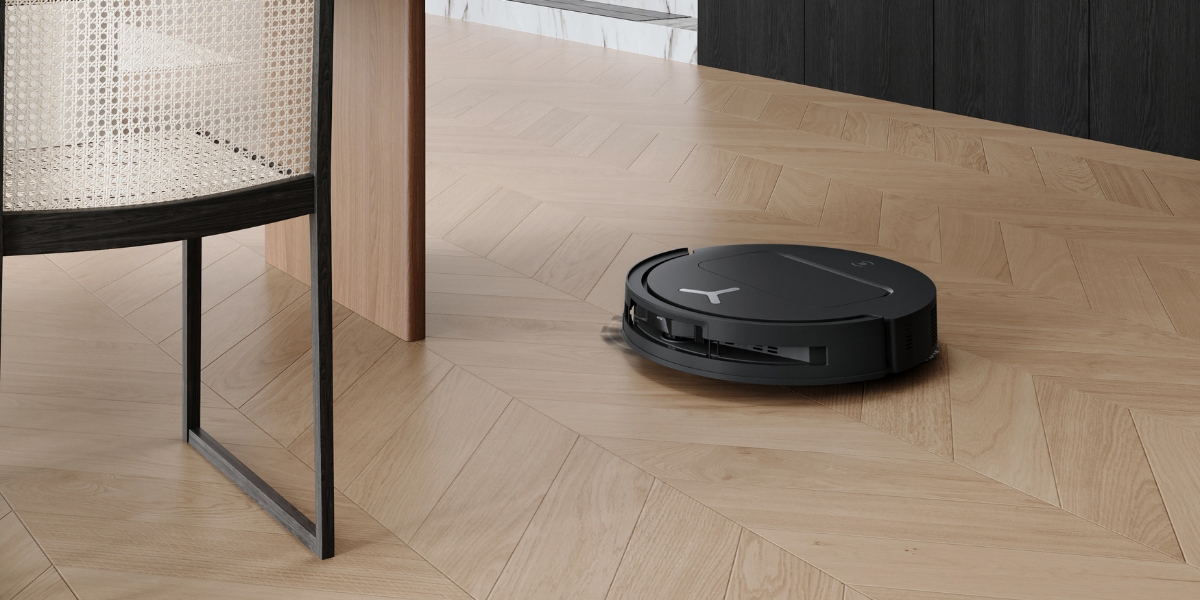
Smart homes have become increasingly popular thanks to connected devices that simplify everyday living. Homeowners can control lighting, security systems, air conditioning, appliances, and entertainment systems using smartphones or voice assistants.
Automation not only improves convenience but also helps reduce energy consumption and enhances home security through intelligent monitoring systems.
Popular Smart Home Features
- Voice-controlled assistants.
- Smart lighting systems.
- Automated climate control.
- Video doorbells and smart locks.
- Energy monitoring devices.
- Remote home management.
Smart home technology continues to make homes safer, more comfortable, and energy-efficient.
3. Cloud Computing Everywhere
Cloud technology enables individuals and organizations to store, manage, and access data securely from virtually anywhere. Businesses rely on cloud platforms to improve collaboration, reduce infrastructure costs, and ensure business continuity.
Cloud computing also supports remote work by allowing employees to access files, applications, and communication tools regardless of location.
Advantages of Cloud Features
- Secure online data storage.
- Easy collaboration.
- Automatic software updates.
- Reduced IT expenses.
- Scalable business operations.
The flexibility of cloud computing makes it one of the most valuable technologies in today`s digital economy.
4. Internet of Things (IoT)
The Internet of Things connects everyday devices to the internet, enabling them to collect and exchange data automatically. Smart sensors improve efficiency across industries such as manufacturing, healthcare, agriculture, transportation, and retail.
Connected devices communicate with each other, allowing businesses and consumers to monitor performance, detect issues early, and automate routine tasks.
Examples of IoT Applications
- Smart wearable devices.
- Connected vehicles.
- Industrial automation.
- Smart farming equipment.
- Healthcare monitoring devices.
- Smart city infrastructure.
IoT is creating a more connected and intelligent world by improving efficiency and reducing operational costs.
5. Advanced Cybersecurity Features
As digital transformation accelerates, cybersecurity has become a top priority for businesses and individuals. Modern security features use artificial intelligence, behavioral analysis, and multi-factor authentication to protect sensitive information from cyber threats.
Organizations invest heavily in advanced security systems to prevent data breaches, ransomware attacks, and unauthorized access.
Important Cybersecurity Features
- Multi-factor authentication.
- Biometric verification.
- AI-powered threat detection.
- Encrypted communications.
- Cloud security monitoring.
- Automatic software updates.
Strong cybersecurity protects customer trust and ensures the safe operation of digital services.
6. 5G and Next-Generation Connectivity
The expansion of 5G networks is transforming how people connect to the digital world. With significantly faster download speeds, lower latency, and greater reliability, 5G supports technologies that were previously limited by slower internet connections.
Businesses benefit from improved cloud computing, remote collaboration, smart manufacturing, and real-time analytics, while consumers enjoy smoother video streaming, online gaming, and faster communication.
Benefits of 5G Technology
- Ultra-fast internet speeds.
- Low network latency.
- Better support for smart devices.
- Improved video conferencing.
- Enhanced remote work capabilities.
- Reliable connectivity for IoT devices.
7. Augmented Reality (AR) and Virtual Reality (VR)
AR and VR technologies are no longer limited to gaming. They are widely used in education, healthcare, architecture, retail, manufacturing, and employee training. These immersive technologies allow users to interact with digital environments in realistic and engaging ways.
Retail businesses use AR to let customers virtually try products before buying, while educational institutions use VR to provide interactive learning experiences.
Common Applications
- Virtual product demonstrations.
- Medical training simulations.
- Virtual classroom experiences.
- Real estate property tours.
- Industrial safety training.
- Interactive museum exhibitions.
8. Sustainable and Green Technologies
Sustainability has become a major focus for technology companies. Modern products are designed with energy efficiency, recyclable materials, and environmentally friendly manufacturing processes in mind.
Businesses are also adopting renewable energy sources, reducing electronic waste, and developing smart systems that optimize energy consumption.
Examples of Green Features
- Energy-efficient smart appliances.
- Solar-powered devices.
- Eco-friendly packaging.
- Smart energy management systems.
- Electric vehicle charging integration.
- Carbon footprint monitoring tools.
9. Automation and Robotics
Automation continues to improve productivity across industries. Intelligent robots now assist with manufacturing, logistics, healthcare, customer service, and warehouse management. Automation reduces repetitive work, minimizes errors, and allows employees to focus on higher-value tasks.
Benefits of Automation
- Higher productivity.
- Reduced operational costs.
- Improved workplace safety.
- Greater production accuracy.
- 24/7 operational capability.
10. Smart Cities
Governments around the world are investing in smart city technologies to improve urban living. Connected infrastructure helps manage transportation, reduce traffic congestion, optimize energy usage, enhance public safety, and improve waste management.
Smart cities use sensors, artificial intelligence, and real-time data to deliver better public services while reducing environmental impact.
Key Smart City Features
- Intelligent traffic management.
- Smart street lighting.
- Digital public services.
- Connected emergency response systems.
- Smart waste collection.
- Environmental monitoring.
Benefits of Modern Technology Features
- Improved productivity.
- Enhanced user convenience.
- Greater business efficiency.
- Better customer experiences.
- Reduced operational costs.
- Higher levels of security.
- Support for sustainable development.
- Faster communication and collaboration.
Challenges to Consider
- Cybersecurity threats.
- High implementation costs.
- Privacy concerns.
- Technology adoption barriers.
- Skills shortages in emerging technologies.
- Maintaining compatibility with legacy systems.
Frequently Asked Questions (FAQs)
Why are smart technology features important?
Smart technology features improve efficiency, convenience, safety, and productivity while helping businesses and individuals make better use of digital resources.
Which technology will have the greatest impact in 2026?
Artificial Intelligence is expected to remain the most influential technology because it supports automation, data analysis, customer service, healthcare, education, and business decision-making.
How do smart features benefit businesses?
Businesses use modern technology to automate operations, improve customer experiences, reduce costs, strengthen cybersecurity, and make data-driven decisions.
What industries benefit the most from these technologies?
Healthcare, education, finance, manufacturing, retail, transportation, agriculture, logistics, and government services are among the industries experiencing the greatest transformation.
Conclusion
The technology features shaping 2026 are creating a smarter, faster, and more connected world. Artificial intelligence, cloud computing, IoT, automation, cybersecurity, AR, VR, 5G, sustainable technologies, and smart city innovations are transforming both business operations and everyday life.
Organizations that adopt these modern technologies will improve efficiency, strengthen customer relationships, and remain competitive in an increasingly digital marketplace. Likewise, individuals who embrace new technologies and continue developing their digital skills will be better prepared for the opportunities of the future.
The pace of innovation will continue to accelerate, making adaptability one of the most valuable qualities for businesses and consumers alike. By understanding and utilizing these advanced technology features, we can build a more productive, sustainable, and connected future.