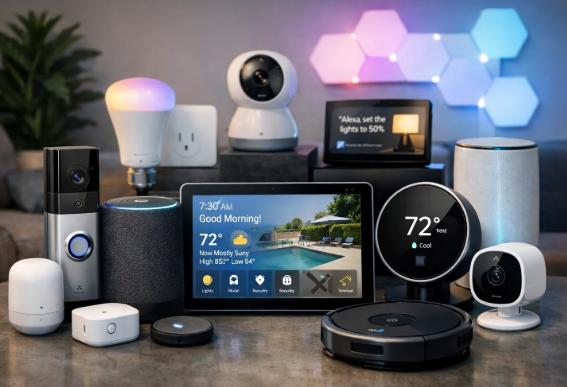
Technology continues to evolve at a remarkable pace, and smart gadgets have become an essential part of everyday life. From smartphones and smartwatches to home automation devices and wireless earbuds, modern gadgets are designed to make life more convenient, efficient, and connected.
In 2026, smart gadgets are no longer considered luxury items. Instead, they have become practical tools that help people manage their daily routines, monitor their health, stay connected with others, and improve productivity. As technology becomes more advanced and affordable, these gadgets are becoming accessible to a wider audience around the world.
The growing integration of artificial intelligence, wireless connectivity, and cloud computing has made modern gadgets smarter than ever before. These devices can learn user preferences, automate tasks, and provide personalized experiences that improve everyday living.
The Rise of Smart Gadgets
Over the past decade, the demand for smart gadgets has increased significantly. Consumers are looking for devices that simplify their lives and provide greater convenience. As a result, manufacturers are constantly developing innovative products that combine advanced technology with user-friendly design.
One of the main reasons for this rapid growth is the expansion of the Internet of Things (IoT). IoT allows different devices to communicate with each other through the internet, creating a connected ecosystem of smart technology.
For example, a smartphone can control smart lights, security cameras, thermostats, and even kitchen appliances. This level of connectivity allows users to manage multiple devices through a single interface.
Popular Smart Gadgets in 2026
Smartphones
Smartphones remain the most widely used smart gadgets in the world. Modern smartphones are powerful devices that combine communication, entertainment, productivity, and photography in a single compact device.
With features such as high-resolution cameras, artificial intelligence assistants, fast processors, and 5G connectivity, smartphones continue to play a central role in the digital lifestyle of millions of people.
Smartwatches and Fitness Trackers
Wearable technology has become extremely popular in recent years. Smartwatches and fitness trackers allow users to monitor their health, track physical activity, measure heart rate, and even analyze sleep patterns.
Many devices now include advanced health monitoring features such as blood oxygen measurement, stress tracking, and ECG monitoring. These features help users stay informed about their health and encourage healthier lifestyles.
Wireless Earbuds
Wireless earbuds have replaced traditional wired headphones for many users. These compact devices offer high-quality audio, noise cancellation, and seamless connectivity with smartphones and laptops.
Modern earbuds also include voice assistants, touch controls, and long battery life, making them ideal for music, calls, and online meetings.
Smart Home Devices
Smart home technology is transforming how people interact with their living spaces. Smart home devices allow users to control lighting, security systems, temperature, and appliances using mobile apps or voice commands.
Smart Speakers
Smart speakers are one of the most popular home gadgets. These devices use voice assistants to perform tasks such as playing music, answering questions, setting reminders, and controlling other smart devices in the home.
By simply speaking a command, users can turn lights on or off, check the weather, or control home appliances.
Smart Security Systems
Home security has also improved with smart technology. Smart cameras, motion sensors, and doorbell cameras allow homeowners to monitor their property remotely through mobile applications.
These systems provide real-time alerts and video feeds, increasing safety and peace of mind.
Smart Thermostats
Smart thermostats help regulate home temperature more efficiently. These devices learn user preferences and automatically adjust heating and cooling settings to reduce energy consumption.
In addition to improving comfort, smart thermostats also help homeowners save money on energy bills.
The Role of Artificial Intelligence in Gadgets
Artificial intelligence is becoming an important feature in many modern gadgets. AI allows devices to understand user behavior and provide personalized experiences.
For example, smartphones can automatically organize photos, suggest replies to messages, and optimize battery performance. Smart home devices can learn daily routines and automate tasks such as adjusting lighting or controlling appliances.
As AI technology continues to improve, gadgets will become even more intelligent and capable of performing complex tasks with minimal human input.
Benefits of Smart Gadgets
Convenience
Smart gadgets simplify daily tasks and save time. From managing schedules to controlling home appliances, these devices provide convenient solutions for modern lifestyles.
Improved Productivity
Many gadgets are designed to improve productivity. Smartphones, tablets, and laptops allow people to work, communicate, and manage projects from anywhere.
Better Health Monitoring
Wearable devices provide valuable health data that helps users track fitness goals and monitor important health indicators.
Enhanced Entertainment
Modern gadgets provide immersive entertainment experiences through high-quality audio, video streaming, and gaming capabilities.
Challenges and Concerns
Despite their advantages, smart gadgets also present certain challenges. Privacy and data security are major concerns because many devices collect personal information.
Users must ensure that their devices are properly secured and updated to prevent unauthorized access.
Another concern is electronic waste. As new gadgets are released frequently, older devices may be discarded, creating environmental challenges.
The Future of Smart Gadgets
The future of smart gadgets is incredibly exciting. Emerging technologies such as augmented reality, artificial intelligence, and advanced sensors will lead to even more innovative devices.
Future gadgets may include advanced health monitoring wearables, smart glasses with augmented reality displays, and fully integrated smart homes that automate nearly every aspect of daily life.
As technology continues to advance, smart gadgets will become even more powerful, efficient, and integrated into everyday living.
Conclusion
Smart gadgets have transformed the way people live, work, and communicate. From smartphones and wearable devices to smart home systems, these technologies are making life more convenient and connected.
While challenges such as privacy concerns and electronic waste must be addressed, the benefits of smart gadgets are undeniable. As innovation continues, these devices will play an even greater role in shaping the future of modern living.
In the coming years, smart gadgets will continue to evolve, bringing new possibilities and improving the quality of life for people around the world.