Technology is no longer just about faster computers or more powerful smartphones. In 2026, smart features are integrated into almost every aspect of daily life, making homes safer, transportation more efficient, workplaces more productive, and healthcare more accessible. From artificial intelligence to voice assistants and automated systems, these innovations are changing the way people live, work, and interact with the world.
Businesses are developing intelligent features that focus on convenience, personalization, security, and sustainability. Whether it`s a smart home adjusting lighting automatically, a wearable device monitoring health, or AI helping users complete everyday tasks, modern technology is designed to simplify life while improving efficiency.
In this article, we`ll explore the most influential smart features shaping the future in 2026, how they work, and why they matter for individuals, families, and businesses.
Why Smart Features Matter
Consumers expect technology to be intuitive, responsive, and personalized. Smart features use sensors, artificial intelligence, cloud computing, and real-time data to provide seamless experiences. These innovations reduce manual effort, save time, improve safety, and help people make better decisions.
As technology continues to evolve, smart features are becoming standard rather than optional in many products and services.
Key Benefits of Smart Features
- Improved convenience.
- Enhanced security.
- Greater energy efficiency.
- Time-saving automation.
- Personalized user experiences.
- Better productivity.
1. AI-Powered Personal Assistants
Artificial Intelligence has transformed digital assistants into powerful productivity tools. Modern AI assistants can schedule appointments, summarize emails, answer questions, control smart devices, translate languages, and even generate content based on user requests.
These assistants learn user preferences over time, making recommendations more accurate and improving daily efficiency.
Popular AI Assistant Features
- Voice-controlled commands.
- Calendar management.
- Smart reminders.
- Email organization.
- Real-time language translation.
- Personalized recommendations.
2. Smart Home Automation
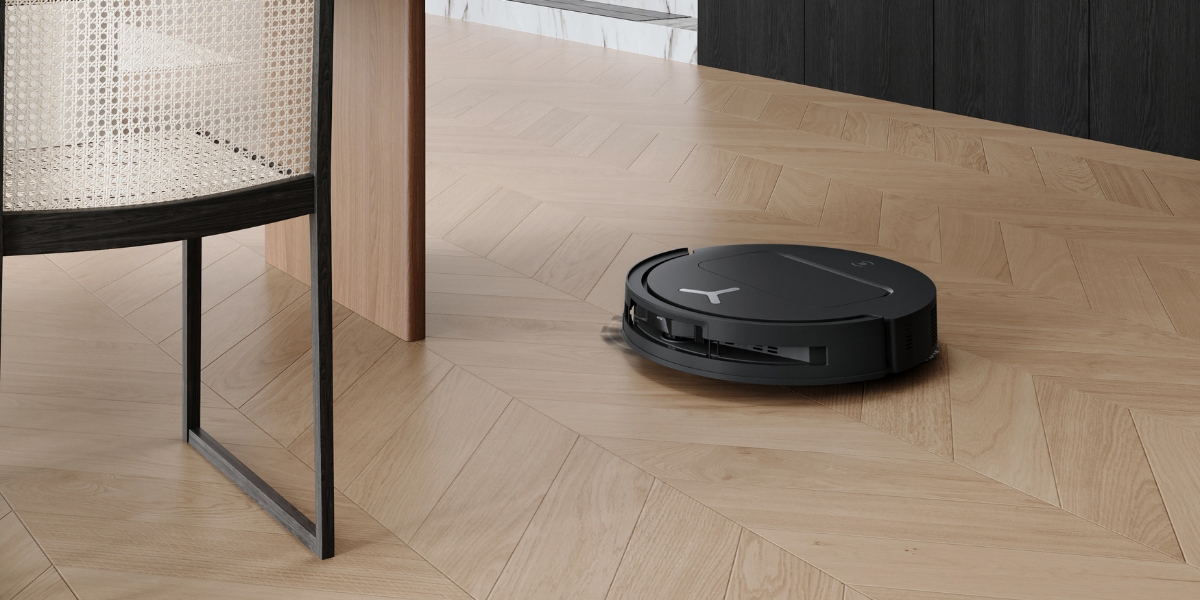
Modern homes are becoming more intelligent through connected devices that automate everyday tasks. Homeowners can remotely control lighting, security cameras, thermostats, door locks, and household appliances using smartphones or voice commands.
Automation increases comfort while reducing electricity consumption and improving home security.
Essential Smart Home Features
- Smart lighting systems.
- Voice-controlled appliances.
- Automated climate control.
- Remote security monitoring.
- Smart door locks.
- Energy usage tracking.
3. Wearable Technology with Health Monitoring
Wearable devices now offer far more than step counting. Modern smartwatches and fitness trackers monitor heart rate, blood oxygen levels, sleep quality, stress levels, activity, and even detect irregular health patterns that encourage users to seek medical advice.
These devices help users maintain healthier lifestyles by providing continuous insights into their well-being.
Common Wearable Features
- Heart rate monitoring.
- Sleep tracking.
- Blood oxygen measurement.
- Exercise monitoring.
- Stress analysis.
- Emergency alerts.
4. Intelligent Vehicle Features
Cars are becoming smarter with advanced driver-assistance systems that improve safety and convenience. Features such as adaptive cruise control, automatic emergency braking, lane-keeping assistance, and intelligent parking support make driving easier and safer.
Many vehicles also provide real-time traffic updates, predictive maintenance alerts, and smartphone integration for seamless connectivity.
Modern Vehicle Innovations
- Adaptive cruise control.
- Blind-spot monitoring.
- Automatic emergency braking.
- 360-degree cameras.
- Voice navigation.
- Wireless smartphone connectivity.
5. Personalized Digital Experiences
Streaming services, shopping platforms, educational websites, and productivity apps increasingly use artificial intelligence to personalize user experiences. By analyzing browsing history and preferences, these platforms recommend relevant content, products, and services.
Personalization improves customer satisfaction by delivering experiences tailored to individual interests rather than generic suggestions.
Examples of Personalized Features
- Custom product recommendations.
- Personalized learning paths.
- Content recommendations.
- AI-generated playlists.
- Targeted notifications.
- Adaptive user interfaces.
6. Advanced Security and Privacy Features
As digital technology becomes a larger part of everyday life, protecting personal information has become a top priority. Modern devices and online services now include advanced security features that safeguard user data while providing convenient access.
Biometric authentication, end-to-end encryption, and multi-factor authentication help reduce cyber threats and improve digital safety. These technologies make it much harder for unauthorized users to gain access to sensitive information.
Important Security Features
- Fingerprint authentication.
- Facial recognition.
- Multi-factor authentication (MFA).
- End-to-end encryption.
- Automatic security updates.
- Cloud backup protection.
7. Smart Workplace Features
Modern offices are becoming more intelligent through automation and collaboration technologies. Cloud-based software, AI meeting assistants, digital project management tools, and virtual workspaces allow employees to collaborate efficiently from anywhere in the world.
Organizations also use workplace analytics to improve productivity, optimize meeting schedules, and enhance employee well-being without compromising flexibility.
Features Improving Workplace Productivity
- AI meeting summaries.
- Cloud document collaboration.
- Automated workflow management.
- Smart scheduling assistants.
- Real-time team communication.
- Digital project tracking.
8. Sustainable and Energy-Efficient Features
Technology is playing an important role in reducing energy consumption and supporting environmental sustainability. Smart devices can automatically optimize electricity usage, monitor water consumption, and reduce waste through intelligent resource management.
Businesses and homeowners alike are investing in energy-efficient technologies that lower costs while contributing to a greener future.
Eco-Friendly Smart Features
- Automatic energy-saving modes.
- Smart thermostats.
- Solar energy monitoring.
- Water usage tracking.
- Intelligent lighting systems.
- Carbon footprint monitoring.
9. Cloud Connectivity Across Devices
Cloud technology allows users to access files, applications, and settings across multiple devices without interruption. Whether switching from a smartphone to a laptop or sharing documents with a team, cloud connectivity improves convenience and efficiency.
Automatic synchronization also reduces the risk of data loss and makes collaboration easier for businesses, students, and remote workers.
Benefits of Cloud Integration
- Automatic file synchronization.
- Secure online storage.
- Easy collaboration.
- Access from any device.
- Automatic backups.
- Scalable storage capacity.
10. Future Features Powered by Artificial Intelligence
Artificial Intelligence continues to drive innovation across every industry. Future smart features will become even more predictive, helping users make informed decisions before problems arise. AI will anticipate user needs, automate repetitive tasks, and create highly personalized digital experiences.
As AI systems become more advanced, ethical development and responsible data usage will remain essential to ensure technology benefits everyone.
Emerging AI Features
- Predictive personal assistants.
- Real-time language interpretation.
- Smart healthcare diagnostics.
- Autonomous service robots.
- AI-powered education platforms.
- Context-aware automation.
Challenges of Smart Features
Although smart technologies provide many advantages, users should also understand the challenges associated with them. Privacy concerns, cybersecurity risks, compatibility issues, and dependence on internet connectivity remain important considerations.
- Data privacy protection.
- Cybersecurity threats.
- Internet dependency.
- Device compatibility challenges.
- Higher initial costs.
- Regular software updates.
How to Choose Smart Technology
Before investing in smart products, consider your needs, budget, security requirements, and compatibility with existing devices. Choosing products from trusted manufacturers with regular software updates helps ensure better reliability and long-term performance.
Buying Tips
- Identify your primary needs.
- Compare available features.
- Read user reviews.
- Verify security standards.
- Check compatibility with your devices.
- Consider future software support.
Conclusion
Smart features are transforming everyday life by making technology more intelligent, efficient, and user-friendly. From AI-powered assistants and connected homes to wearable health devices and sustainable energy systems, these innovations are reshaping how people live and work.
As technology continues to evolve, smart features will become even more integrated into daily routines, helping individuals and businesses save time, improve productivity, enhance security, and make better decisions. Embracing these advancements responsibly will allow users to enjoy the full benefits of a smarter and more connected future.
SEO Keywords
Smart Features 2026, AI Features, Smart Home Technology, Wearable Technology, Future Technology, Digital Innovation, Smart Devices, Home Automation, Artificial Intelligence, Connected Living, Smart Office, Technology Trends.