The way people live, work, communicate, shop, and entertain themselves has changed dramatically over the past decade. In 2026, technology is no longer simply a tool—it has become an integral part of everyday life. From smart homes and wearable devices to artificial intelligence and digital wellness platforms, modern innovations are transforming lifestyles around the world.
As technology continues to evolve, consumers are embracing new habits that prioritize convenience, efficiency, personalization, and connectivity. These digital lifestyle trends are not only influencing individual behavior but are also reshaping industries, businesses, and communities.
This feature explores the most significant digital lifestyle trends of 2026 and how they are impacting daily life in meaningful ways.
The Rise of the Connected Lifestyle
Connectivity has become one of the defining characteristics of modern living. People expect seamless access to information, services, and communication regardless of their location. Smartphones, smart devices, and high-speed internet networks have created an always-connected environment.
This level of connectivity enables individuals to manage work, education, entertainment, shopping, and personal relationships from virtually anywhere. As digital ecosystems become more integrated, users can transition effortlessly between devices and platforms.
Benefits of a Connected World
- Instant access to information.
- Improved communication and collaboration.
- Enhanced convenience in daily activities.
- Greater flexibility for remote work and learning.
- Access to global opportunities and services.
These advantages have contributed to the rapid adoption of connected technologies across all age groups.
Smart Homes Are Becoming Standard
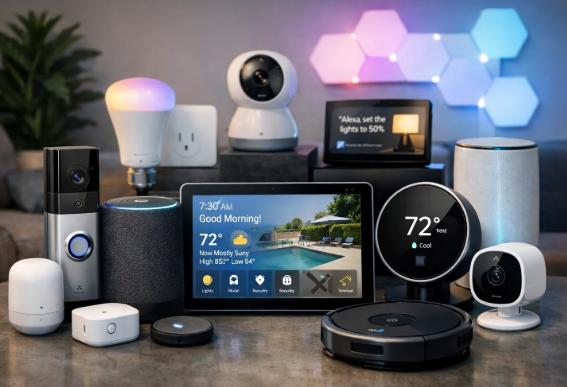
Smart home technology has evolved from a luxury feature into a mainstream lifestyle choice. In 2026, homeowners are increasingly integrating smart devices that automate everyday tasks and improve energy efficiency.
Smart lighting systems, voice-controlled assistants, intelligent security cameras, and connected appliances allow users to control their homes remotely using smartphones or voice commands.
Popular Smart Home Features
- Voice-activated virtual assistants.
- Smart thermostats for energy savings.
- Automated lighting systems.
- Smart door locks and security systems.
- Connected kitchen appliances.
- Remote home monitoring capabilities.
These technologies provide convenience, security, and cost savings while creating more comfortable living environments.
Artificial Intelligence in Daily Life
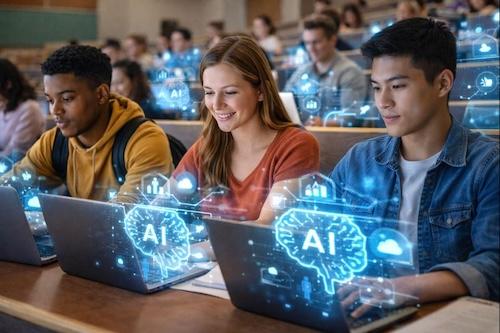
Artificial Intelligence (AI) is no longer limited to large corporations and research laboratories. Consumers interact with AI every day through virtual assistants, recommendation systems, navigation apps, and customer support chatbots.
AI-powered applications help users save time, make informed decisions, and enjoy personalized experiences. Whether recommending movies, organizing schedules, or providing fitness guidance, AI has become a valuable everyday companion.
Personalized Experiences
One of AI’s greatest strengths is its ability to analyze user preferences and deliver customized recommendations. Streaming platforms suggest content based on viewing habits, online stores recommend products aligned with interests, and learning platforms adapt lessons to individual progress.
This personalization enhances user satisfaction while making digital experiences more relevant and engaging.
The Growth of Digital Wellness
As technology becomes more integrated into daily life, people are placing greater emphasis on digital wellness. Many individuals are seeking ways to balance screen time, reduce digital stress, and maintain healthy relationships with technology.
Digital wellness tools help users monitor device usage, improve focus, and establish healthier habits. These solutions are becoming increasingly popular among professionals, students, and families.
Digital Wellness Strategies
- Screen time monitoring applications.
- Focus and productivity tools.
- Meditation and mindfulness apps.
- Sleep tracking technology.
- Digital detox routines.
By promoting mindful technology use, digital wellness initiatives support mental and emotional well-being.
Remote Work Continues to Evolve
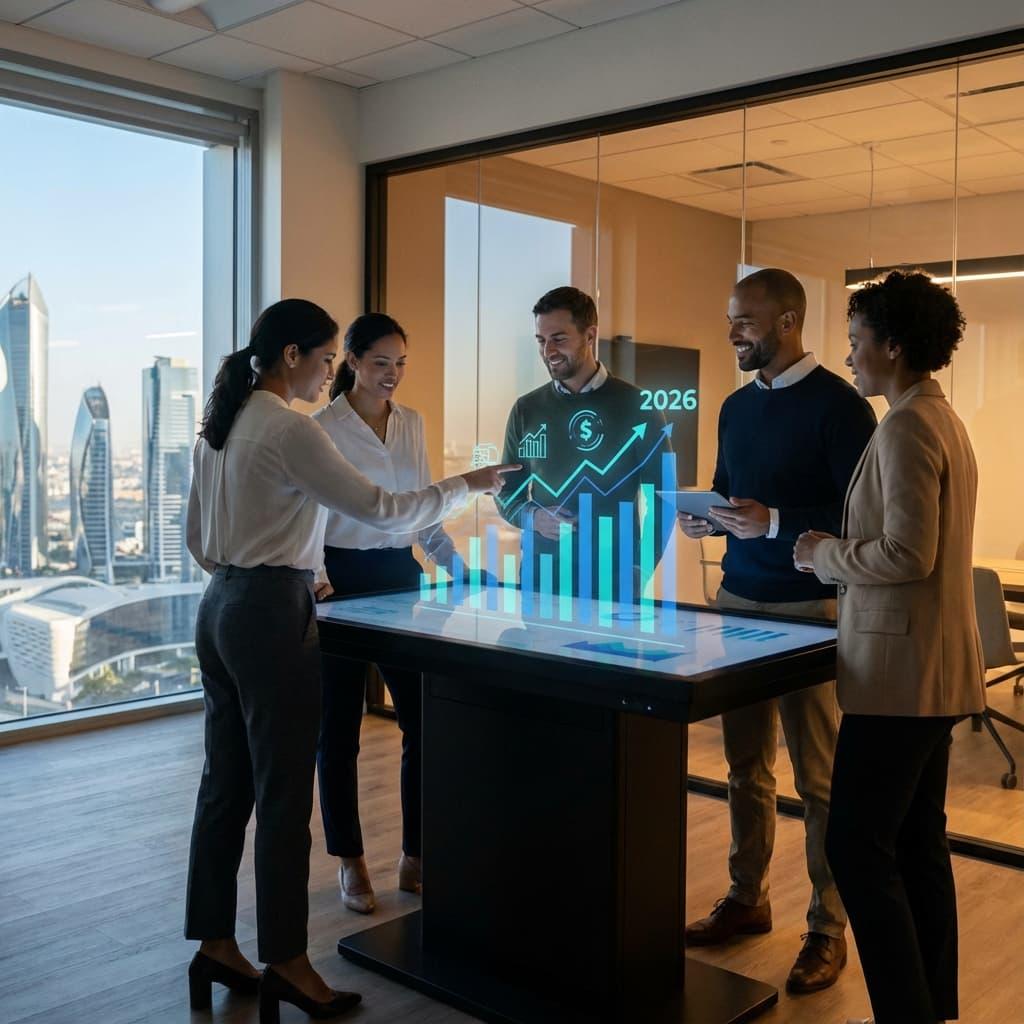
Remote and hybrid work models remain significant components of modern professional life. Advances in communication technologies have enabled teams to collaborate effectively regardless of physical location.
Video conferencing platforms, project management tools, cloud storage systems, and collaborative software solutions have become essential workplace resources.
Advantages of Flexible Work Models
Remote work offers benefits for both employees and employers. Workers enjoy greater flexibility and improved work-life balance, while organizations gain access to broader talent pools and reduced operational costs.
As digital workplaces mature, businesses are investing in technologies that support productivity, collaboration, and employee engagement.
Wearable Technology Is Expanding
Wearable devices have become increasingly sophisticated, offering features that extend far beyond basic fitness tracking. Modern wearables monitor health metrics, provide notifications, support communication, and integrate with broader digital ecosystems.
Consumers use smartwatches, fitness bands, and health monitoring devices to track daily activities and gain insights into their overall well-being.
Common Wearable Functions
- Heart rate monitoring.
- Sleep tracking.
- Activity and fitness measurement.
- Stress management insights.
- Mobile notifications and communication.
- Health data analysis.
These devices empower users to make informed decisions about their health and lifestyle choices.
The Evolution of Online Shopping
E-commerce continues to evolve rapidly as businesses adopt advanced technologies to enhance customer experiences. Online shopping has become more convenient, personalized, and interactive than ever before.
Consumers benefit from AI-powered recommendations, virtual product previews, flexible payment options, and faster delivery services.
Key E-Commerce Innovations
- Personalized product recommendations.
- Virtual try-on experiences.
- AI-powered customer support.
- Mobile-first shopping platforms.
- Faster delivery and fulfillment services.
These innovations are helping retailers meet growing customer expectations while increasing satisfaction and loyalty.
Social Media`s Continuing Influence
Social media remains a powerful force in shaping opinions, trends, and consumer behavior. Platforms are evolving beyond communication tools into comprehensive ecosystems that support commerce, education, entertainment, and community building.
Creators, businesses, and organizations use social platforms to connect with audiences, share information, and build meaningful relationships.
At the same time, users are becoming more conscious of digital well-being, privacy, and content authenticity, leading platforms to prioritize transparency and user control.
Sustainability Meets Technology
Environmental awareness is influencing technology adoption and lifestyle choices. Consumers increasingly seek products and services that support sustainability goals.
Smart energy systems, eco-friendly devices, digital documents, and remote work solutions contribute to reducing environmental impact. Businesses are also incorporating sustainability initiatives into product development and operational strategies.
Sustainable Digital Practices
- Reducing paper usage through digital workflows.
- Using energy-efficient smart devices.
- Supporting remote collaboration.
- Optimizing resource consumption through automation.
- Recycling electronic devices responsibly.
These efforts demonstrate how technology can contribute to environmental responsibility.
Challenges of the Digital Lifestyle
Despite numerous benefits, digital lifestyles also present challenges. Privacy concerns, cybersecurity threats, misinformation, and technology dependence require careful attention from individuals and organizations.
Users must remain informed about digital risks and adopt responsible online behaviors. Strong passwords, data protection measures, and critical evaluation of online content are essential practices in the modern digital environment.
The Future of Everyday Living
The coming years will bring even greater integration between technology and daily life. Advances in artificial intelligence, automation, connectivity, and immersive experiences will continue to reshape how people interact with the world.
Future innovations may include smarter cities, more advanced virtual environments, personalized healthcare solutions, and enhanced digital collaboration tools. As these developments emerge, individuals will have new opportunities to improve productivity, well-being, and quality of life.
Conclusion
Digital lifestyle trends in 2026 reflect a world where technology is deeply woven into everyday experiences. From smart homes and wearable devices to artificial intelligence and digital wellness tools, innovation is creating new possibilities for convenience, efficiency, and personal growth.
While challenges such as privacy and digital balance remain important considerations, the benefits of modern technology continue to transform the way people live, work, and connect. By embracing innovation thoughtfully and responsibly, individuals can enjoy the advantages of a more connected and empowered future.
As technology evolves, digital lifestyles will continue to shape society, offering exciting opportunities for learning, communication, health, entertainment, and sustainable living in the years ahead.