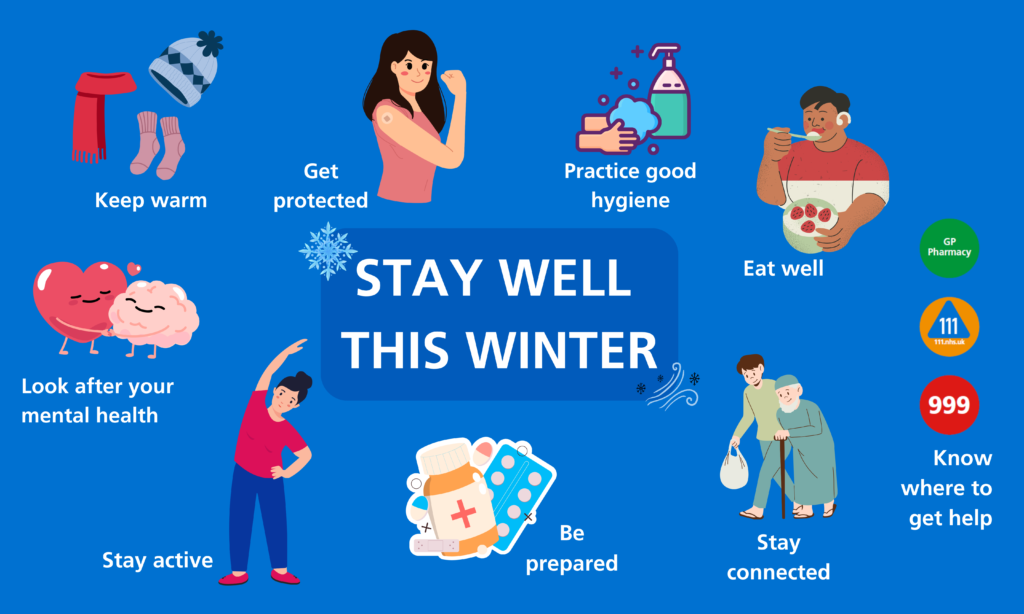
Health and fitness have become more important than ever in today`s fast-paced world. Modern lifestyles often involve long working hours, increased screen time, unhealthy eating habits, and high levels of stress. These factors contribute to obesity, heart disease, diabetes, anxiety, and other health-related issues. Fortunately, maintaining good health does not require extreme diets or complicated workout routines. Small, consistent lifestyle changes can make a significant difference over time.
In 2026, technology, nutrition science, and fitness programs have evolved to help people achieve their health goals more effectively. From wearable fitness trackers and AI-powered workout apps to personalized nutrition plans and mental wellness programs, there are countless tools available to support a healthier lifestyle.
This comprehensive guide explores the essential pillars of health and fitness, practical daily habits, and the latest trends that can help you improve your physical and mental well-being.
Why Health and Fitness Matter
Good health is the foundation of a happy and productive life. Regular exercise and proper nutrition not only improve physical appearance but also strengthen the immune system, increase energy levels, enhance mental clarity, and reduce the risk of chronic diseases.
Fitness is not just about losing weight or building muscles. It is about improving overall quality of life by developing strength, endurance, flexibility, balance, and emotional well-being. A healthy body supports a healthy mind, making it easier to perform daily tasks and achieve personal and professional goals.
1. Eat a Balanced and Nutritious Diet
Nutrition plays a critical role in maintaining good health. A balanced diet provides the body with essential vitamins, minerals, proteins, healthy fats, carbohydrates, and fiber needed for growth, repair, and energy production.
Focus on eating whole, nutrient-rich foods instead of highly processed meals. Include colorful fruits, vegetables, whole grains, lean proteins, dairy or dairy alternatives, nuts, seeds, and healthy fats in your daily meals.
Healthy Foods to Include
- Fresh fruits and vegetables.
- Whole grains such as oats and brown rice.
- Lean proteins including chicken, fish, eggs, and legumes.
- Healthy fats from avocados, olive oil, and nuts.
- Low-fat dairy products.
- Plenty of water throughout the day.
Avoid excessive consumption of sugary drinks, processed snacks, fried foods, and foods high in added sugars or trans fats.
2. Exercise Regularly
Regular physical activity strengthens muscles, improves cardiovascular health, enhances flexibility, and boosts mental health. Adults should aim for at least 150 minutes of moderate exercise or 75 minutes of vigorous exercise each week, combined with strength training exercises.
Your workout routine can include:
- Walking or jogging.
- Cycling.
- Swimming.
- Strength training.
- Yoga.
- Pilates.
- High-Intensity Interval Training (HIIT).
Consistency is more important than intensity. Even a 30-minute daily workout can produce long-term health benefits when performed regularly.
3. Prioritize Quality Sleep
Sleep is one of the most overlooked aspects of health. During sleep, the body repairs tissues, strengthens the immune system, regulates hormones, and processes memories. Adults should aim for 7–9 hours of quality sleep each night.
To improve sleep quality:
- Maintain a consistent sleep schedule.
- Avoid caffeine late in the day.
- Limit screen time before bedtime.
- Create a cool, quiet sleeping environment.
- Practice relaxation techniques before sleeping.
Good sleep improves concentration, mood, recovery after exercise, and overall physical performance.
4. Stay Hydrated Throughout the Day
Water is essential for every function in the human body. Proper hydration supports digestion, circulation, temperature regulation, joint lubrication, and nutrient transport.
Most adults should drink sufficient water throughout the day, with additional fluids needed during exercise or hot weather. Carrying a reusable water bottle can help maintain healthy hydration habits.
Choosing water over sugary beverages also supports weight management and reduces unnecessary calorie intake.
5. Manage Stress for Better Health
Chronic stress can negatively affect both physical and mental health. High stress levels may contribute to high blood pressure, poor sleep, anxiety, weakened immunity, and digestive problems.
Effective stress management techniques include:
- Meditation and mindfulness.
- Deep breathing exercises.
- Regular physical activity.
- Spending time with family and friends.
- Reading books.
- Listening to music.
- Taking short breaks during work.
Maintaining a healthy work-life balance and setting realistic goals can significantly reduce daily stress while improving overall happiness and well-being.
6. Mental Health Is Just as Important as Physical Health
True wellness is achieved when both the body and mind are healthy. Mental health affects how we think, feel, make decisions, and interact with others. Anxiety, stress, and depression can reduce productivity, weaken the immune system, and negatively impact physical health.
Taking care of your mental well-being should be part of your daily routine. Practicing mindfulness, spending time outdoors, maintaining healthy relationships, and seeking professional support when needed can significantly improve emotional resilience.
Simple Ways to Improve Mental Health
- Practice gratitude every day.
- Spend time with family and friends.
- Take regular breaks from work.
- Limit excessive social media usage.
- Read books or develop a hobby.
- Seek professional guidance if needed.
7. Use Fitness Technology to Stay Motivated
Technology has transformed the fitness industry. Smartwatches, fitness bands, mobile apps, and AI-powered coaching platforms help people monitor their progress and stay motivated.
Modern wearable devices can track:
- Daily step count.
- Heart rate.
- Calories burned.
- Sleep quality.
- Workout performance.
- Blood oxygen levels.
- Stress levels.
Monitoring these metrics allows users to set realistic goals, measure improvement, and maintain consistency throughout their fitness journey.
8. Maintain a Healthy Weight Naturally
Healthy weight management should focus on sustainable lifestyle habits rather than extreme diets or quick fixes. Gradual improvements in nutrition and physical activity produce better long-term results.
Helpful weight management habits include:
- Eating balanced meals.
- Controlling portion sizes.
- Avoiding sugary drinks.
- Exercising regularly.
- Getting enough sleep.
- Managing stress effectively.
- Tracking your progress.
Healthy weight management reduces the risk of heart disease, diabetes, joint problems, and many other chronic conditions.
9. Build Healthy Habits That Last
Long-term health depends on consistent daily habits rather than occasional motivation. Building small, achievable routines makes it easier to maintain a healthy lifestyle over time.
Examples of positive daily habits include:
- Walking for 30 minutes.
- Preparing healthy meals at home.
- Stretching every morning.
- Drinking enough water.
- Sleeping on time.
- Limiting processed foods.
- Scheduling regular health checkups.
Remember that lasting results come from consistency, patience, and gradual improvement.
10. Health and Fitness Trends in 2026
The health and fitness industry continues to evolve through innovation and scientific research. Some of the biggest trends shaping wellness in 2026 include:
- AI-powered personal fitness coaching.
- Wearable health monitoring devices.
- Personalized nutrition plans.
- Virtual fitness classes.
- Smart home gym equipment.
- Recovery-focused fitness programs.
- Mental wellness and mindfulness training.
- Holistic approaches combining physical and emotional health.
Benefits of a Healthy Lifestyle
- Higher energy levels.
- Stronger immune system.
- Improved heart health.
- Better sleep quality.
- Reduced stress and anxiety.
- Improved concentration and memory.
- Healthy weight management.
- Longer life expectancy.
- Greater confidence and self-esteem.
- Improved overall quality of life.
Frequently Asked Questions (FAQs)
How much exercise should adults get each week?
Most adults should aim for at least 150 minutes of moderate-intensity aerobic activity or 75 minutes of vigorous activity each week, along with muscle-strengthening exercises on two or more days.
What is the most important part of staying healthy?
A balanced combination of nutritious food, regular exercise, quality sleep, hydration, stress management, and routine medical checkups provides the strongest foundation for long-term health.
Can wearable fitness devices improve health?
Yes. Fitness trackers and smartwatches help users monitor physical activity, sleep, heart rate, and other health metrics, making it easier to stay motivated and maintain healthy habits.
How long does it take to build healthy habits?
Building lasting habits varies from person to person, but consistent daily practice over several weeks or months greatly increases the likelihood of maintaining a healthy lifestyle.
Conclusion
Health and fitness are lifelong journeys that require commitment, consistency, and balance. By eating nutritious foods, exercising regularly, staying hydrated, managing stress, getting enough sleep, and caring for your mental well-being, you can significantly improve your quality of life.
The latest innovations in wearable technology, AI-powered fitness coaching, and personalized wellness programs make it easier than ever to achieve your health goals. However, no technology can replace the importance of healthy daily habits and self-discipline.
Start with small, realistic changes and build them into your routine. Every healthy meal, every workout, every good night`s sleep, and every positive decision brings you one step closer to a stronger body, a sharper mind, and a happier, healthier future.