Politics plays a crucial role in shaping modern society. It influences how countries are governed, how laws are created, and how resources are distributed among citizens. From local governments to international organizations, political systems affect nearly every aspect of daily life.
Understanding politics helps people make informed decisions, participate in democratic processes, and hold leaders accountable.
What Is Politics?
Politics refers to the activities, actions, and policies used to govern a country or community. It involves decision-making processes that affect public welfare, national security, education, healthcare, and economic development.
Political systems vary across countries, including democracies, monarchies, and authoritarian regimes.
The Importance of Politics in Daily Life
Politics directly impacts people’s lives through laws, taxes, and public services. Government decisions influence job opportunities, education systems, healthcare facilities, and infrastructure development.
Even simple daily activities, such as using public transport or accessing clean water, are shaped by political decisions.
Democracy and Citizen Participation
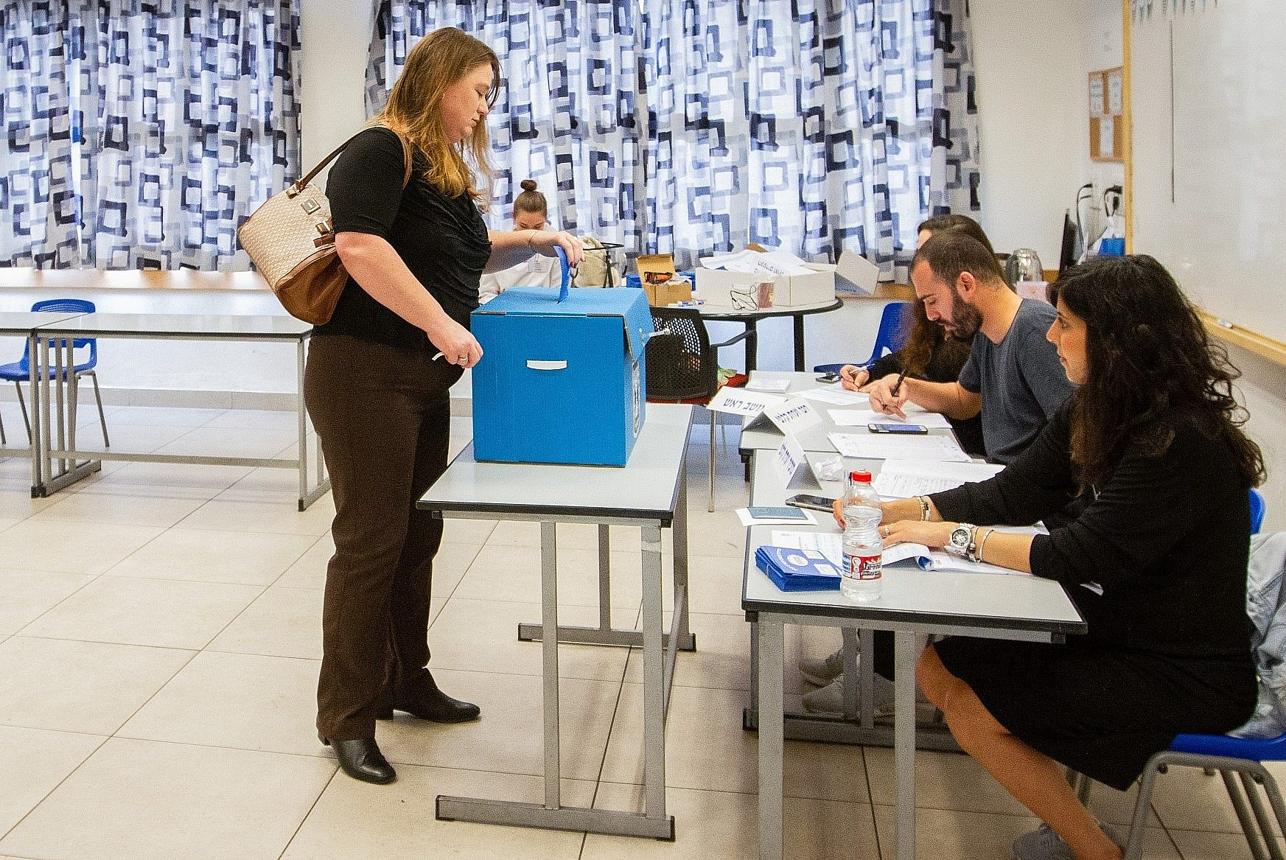
Democracy allows citizens to participate in political decision-making through voting, public debates, and civic engagement. It gives people the power to choose their leaders and influence policies.
Active participation strengthens democratic institutions and promotes transparency and accountability.
Role of Elections
Elections are the foundation of democratic systems. They provide citizens with an opportunity to express their opinions and choose representatives who align with their values and priorities.
Political Parties and Ideologies
Political parties represent different ideologies and policy goals. These ideologies shape government priorities in areas such as economic growth, social justice, and foreign relations.
Healthy political competition encourages debate and innovation in policy-making.
Media and Politics
The media plays a vital role in politics by informing the public and shaping political opinions. News outlets, social media platforms, and digital journalism influence how people perceive political events and leaders.
Responsible media promotes awareness, while misinformation can create confusion and division.
Global Politics and International Relations
Global politics involves interactions between countries through diplomacy, trade agreements, and international organizations. Global cooperation is essential for addressing issues like climate change, security, and economic stability.
International relations help maintain peace and foster collaboration among nations.
Challenges in Modern Politics
Modern politics faces several challenges, including corruption, political polarization, and lack of public trust. These issues can weaken democratic institutions and slow development.
Promoting ethical leadership and civic education can help overcome these challenges.
Youth and the Future of Politics
Young people play a critical role in shaping the future of politics. Through activism, digital platforms, and voting, youth voices influence political agendas and reforms.
Encouraging youth participation leads to innovation and progressive change.
The Future of Politics
The future of politics will be shaped by technology, globalization, and public awareness. Digital governance, online campaigns, and data-driven policies are transforming political systems.
Transparency and inclusivity will remain key factors in building strong political institutions.
Conclusion
Politics is a powerful force that shapes societies and determines the direction of nations. By understanding political systems and participating actively, citizens can contribute to positive change. Informed political engagement strengthens democracy and ensures a better future for all.