Politics plays a central role in shaping societies and governance structures. It determines how resources are distributed, how laws are made, and how citizens’ rights and responsibilities are protected. Political decisions impact every aspect of daily life—from education and healthcare to infrastructure and social welfare.
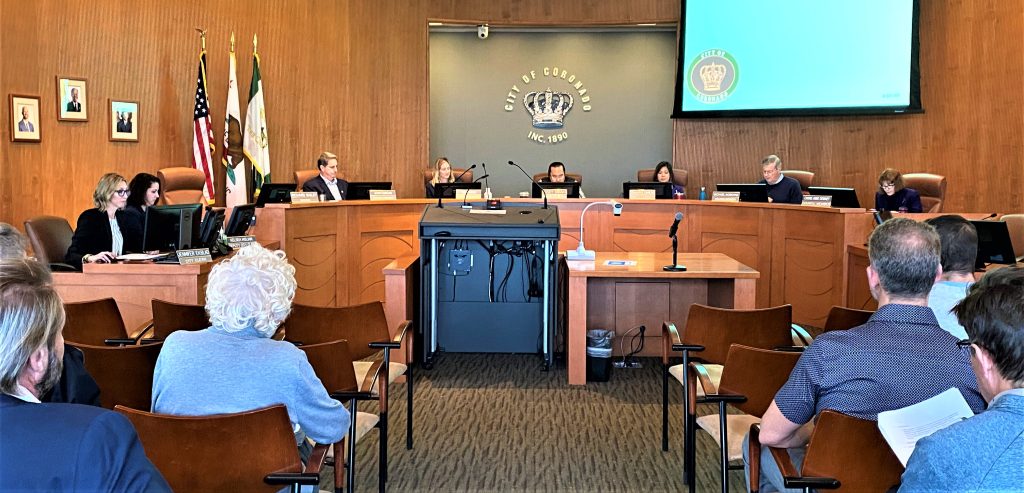
In modern democracies, politics also serves as a platform for public engagement, discussion, and decision-making. Citizens vote, advocate, and participate in political processes to influence policies and ensure accountability.
Understanding Politics
Politics is the process of making decisions that apply to members of a society. It involves governance, policy-making, diplomacy, and the exercise of power. Political systems vary across countries, including democracies, monarchies, authoritarian regimes, and hybrid systems.
At its core, politics is about balancing competing interests, protecting rights, and promoting societal welfare. It encompasses both formal institutions and informal social structures.
The Importance of Civic Engagement
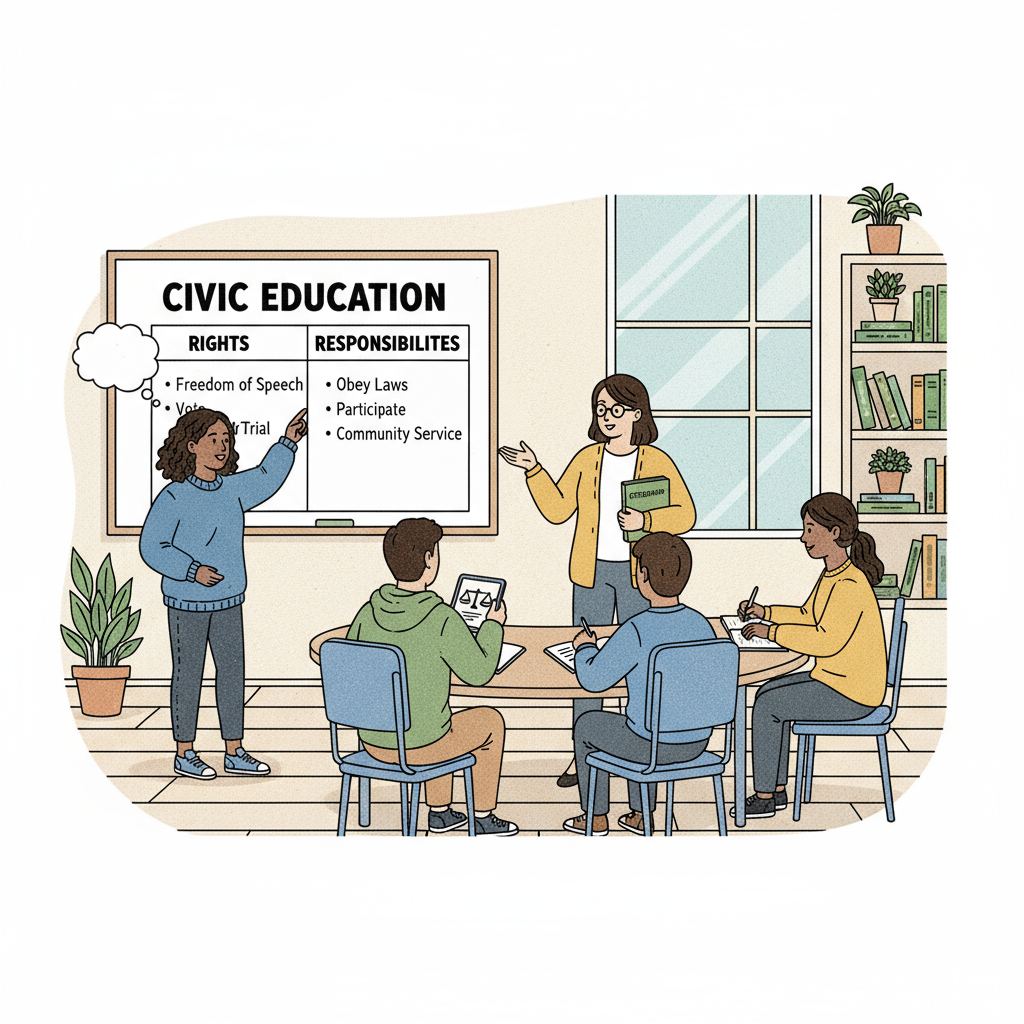
Active citizen participation is vital for a healthy political system. Voting, advocacy, public debates, and community organizing are ways in which citizens influence political decisions.
Voting as a Fundamental Right
Voting allows citizens to elect representatives who reflect their values and priorities. It is a fundamental aspect of democracy and a key mechanism for ensuring accountability.
Political Advocacy and Activism
Engaging in political advocacy, protests, and campaigns empowers individuals to raise awareness about social issues, demand change, and influence government policies.
Political Systems Around the World
Political systems shape how power is exercised and distributed. Democracies encourage participation and uphold freedoms, while authoritarian regimes centralize power and limit opposition.
Democracy
Democratic systems allow citizens to vote, hold leaders accountable, and participate in policymaking. Free press, rule of law, and civil liberties are essential components.
Authoritarianism
Authoritarian regimes concentrate power in the hands of a few, often limiting freedoms and suppressing dissent. Decision-making is centralized, and citizen participation is restricted.
Politics and Policy Making
Policy-making is a critical aspect of politics. Governments create laws and regulations that address social, economic, and environmental challenges. Effective policies improve quality of life, while poor policies can exacerbate inequalities.
Economic Policies
Economic decisions, including taxation, spending, and trade regulations, shape employment, business growth, and national prosperity.
Social Policies
Social policies address healthcare, education, housing, and welfare. These policies ensure that citizens have access to essential services and opportunities.
Challenges in Modern Politics
Modern politics faces several challenges, including polarization, misinformation, corruption, and low civic participation. These issues can undermine trust in institutions and hinder effective governance.
Political Polarization
Deep divisions between political groups can reduce cooperation, hinder policymaking, and create social tension. Promoting dialogue and compromise is essential for stability.
Information and Media Influence
The rise of social media has transformed political communication. While it increases access to information, it also spreads misinformation and fake news, influencing public opinion.
The Future of Politics
The future of politics will likely be shaped by technology, global challenges, and citizen engagement. Digital tools like e-voting, online advocacy platforms, and AI-driven policy analysis may increase transparency and participation.
Additionally, global issues such as climate change, migration, and economic inequality will require collaborative international politics to find sustainable solutions.
Conclusion
Politics is an integral part of society, influencing governance, policies, and citizen lives. Understanding political systems, participating actively, and promoting transparency are essential for creating fair and equitable societies.
By staying informed and engaged, citizens can help shape political outcomes that ensure justice, prosperity, and well-being for all.