Democracy has become one of the most influential political systems in the modern world. It is a form of government in which the power ultimately belongs to the people. Citizens participate in political decision-making either directly or through elected representatives. Over the past century, democracy has expanded across many regions, shaping the political, social, and economic development of nations.
The core idea behind democracy is that every citizen has a voice in how their country is governed. Through elections, public debate, and civic participation, people can influence policies that affect their lives. While the structure of democratic systems may vary between countries, the fundamental principle remains the same: government authority is derived from the consent of the governed.
Understanding the Concept of Democracy
Democracy is built on several key principles including political equality, freedom of expression, rule of law, and protection of individual rights. Citizens have the right to vote, express opinions, form political parties, and participate in public discussions about national issues.
There are two main types of democratic systems. In a direct democracy, citizens participate directly in decision-making, often through referendums or public voting on policies. In a representative democracy, citizens elect leaders who make decisions on their behalf in legislative institutions such as parliaments or congresses.
Key Principles of a Democratic System
Free and Fair Elections
One of the most important elements of democracy is the ability of citizens to choose their leaders through elections. Free and fair elections ensure that political power reflects the will of the people. Transparent voting processes and independent election commissions help maintain trust in the democratic system.
Rule of Law
The rule of law ensures that everyone, including government officials, is subject to the same laws. This principle protects citizens from abuse of power and guarantees fairness within the legal system. Independent courts and judicial institutions are essential for maintaining this balance.
Freedom of Speech and Expression
A healthy democracy depends on open discussion and diverse viewpoints. Citizens must have the freedom to express their opinions, criticize government policies, and participate in public debates without fear of punishment. Independent media also plays an important role in informing the public and holding leaders accountable.
The Importance of Civic Participation
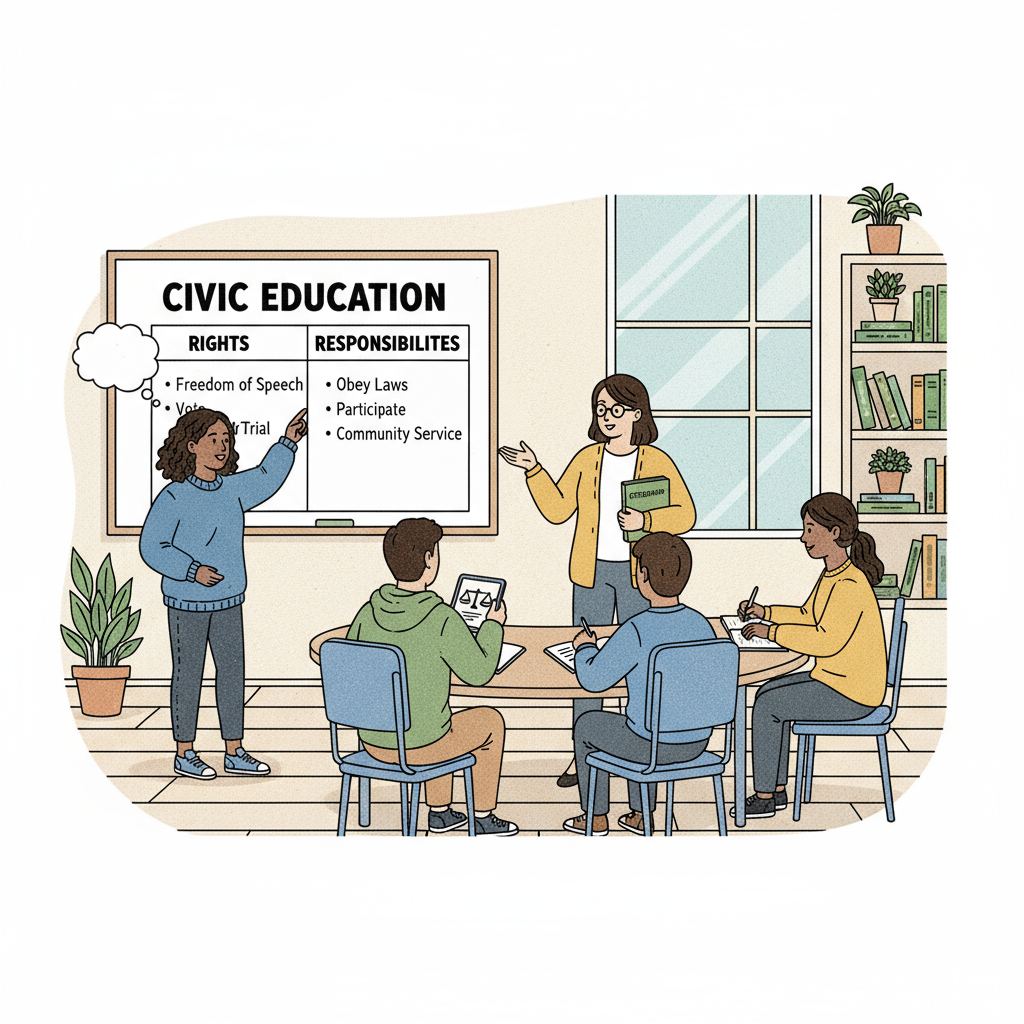
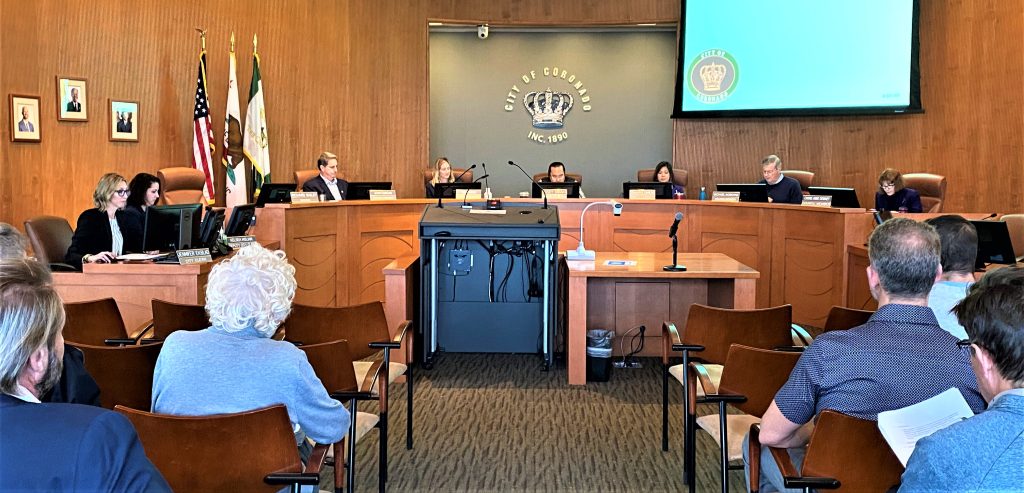
Democracy functions effectively only when citizens actively participate in the political process. Voting in elections is one of the most basic forms of participation, but civic engagement extends beyond voting. Citizens can contribute by attending public meetings, engaging in political discussions, volunteering for community initiatives, or advocating for social change.
Active civic participation strengthens democratic institutions and ensures that government policies reflect the needs and interests of the population. When people remain informed and engaged, they help promote transparency and accountability in governance.
Challenges Facing Modern Democracies
Political Polarization
In many countries, political polarization has become a growing concern. Deep divisions between political groups can make it difficult for governments to reach consensus on important policies. When political debates become overly hostile, cooperation and constructive dialogue may suffer.
Misinformation and Media Influence
The rise of digital media and social networking platforms has transformed how people consume political information. While these platforms provide opportunities for communication and engagement, they can also spread misinformation and biased narratives. False information can influence public opinion and undermine trust in democratic institutions.
Corruption and Lack of Transparency
Corruption remains a significant challenge in some political systems. When government officials misuse power for personal gain, public confidence in democratic institutions can decline. Strong anti-corruption laws, transparent governance, and independent oversight bodies are necessary to combat this issue.
The Role of Technology in Modern Politics
Technology has significantly influenced modern political systems. Digital platforms allow governments to communicate directly with citizens, while online tools make it easier for people to access political information. Social media campaigns, digital activism, and online petitions have become common forms of political engagement.
At the same time, governments must carefully manage the impact of technology on privacy, cybersecurity, and election integrity. Protecting democratic processes from digital interference is an increasingly important responsibility for modern states.
The Future of Democracy
The future of democracy will depend largely on the ability of societies to adapt to changing political, technological, and social environments. Strengthening democratic institutions, promoting political education, and encouraging civic participation will remain critical priorities.
Young people will also play an important role in shaping the future of democratic systems. As new generations become more engaged in political discussions and policy debates, they can bring fresh perspectives and innovative solutions to national challenges.
Conclusion
Democracy continues to be a powerful system of governance that empowers citizens and protects fundamental rights. By allowing people to participate in decision-making, democratic systems promote accountability, transparency, and social progress.
Although modern democracies face challenges such as political polarization, misinformation, and corruption, the core principles of democratic governance remain strong. With active citizen participation, responsible leadership, and commitment to the rule of law, democracy can continue to evolve and serve as a foundation for stable and prosperous societies.