The business world is changing faster than ever before. In 2026, digital entrepreneurship has become one of the most powerful forces driving global economic growth. From small online startups to large-scale digital enterprises, entrepreneurs are leveraging technology to build profitable, scalable, and flexible businesses. This shift is not just a trend; it is a complete transformation of how business is created, managed, and expanded.
What Is Digital Entrepreneurship?
Digital entrepreneurship refers to building and running businesses that rely primarily on digital platforms, tools, and technologies. Unlike traditional businesses that require physical offices or storefronts, digital entrepreneurs operate online through websites, mobile apps, social media platforms, and cloud-based systems.
Examples of digital entrepreneurship include e-commerce stores, online service providers, content creators, SaaS companies, freelancers, and digital marketing agencies. The low startup cost and global reach make this model extremely attractive in today’s economy.
Why Digital Businesses Are Booming in 2026
Several key factors have contributed to the rapid growth of digital entrepreneurship in 2026. The widespread availability of high-speed internet, affordable smartphones, and cloud computing has made it easier than ever to start an online business.
Additionally, consumer behavior has shifted dramatically. People now prefer online shopping, digital services, and remote solutions. This demand has opened countless opportunities for entrepreneurs who can provide value through digital channels.
Low Startup Costs
One of the biggest advantages of digital entrepreneurship is the low initial investment. Unlike traditional businesses that require rent, inventory, and staff, many online businesses can be launched with minimal capital. A laptop, internet connection, and basic skills are often enough to get started.
Global Market Access
Digital businesses are not limited by geography. An entrepreneur sitting in Pakistan can sell products or services to customers in the United States, Europe, or anywhere in the world. This global access significantly increases growth potential.
Popular Digital Business Models
In 2026, several digital business models have proven to be highly successful. Entrepreneurs are choosing models based on their skills, interests, and market demand.
E-Commerce and Dropshipping
E-commerce remains one of the most profitable digital business models. Dropshipping, in particular, allows entrepreneurs to sell products without holding inventory. Orders are fulfilled directly by suppliers, reducing risk and operational complexity.
Freelancing and Online Services
Freelancing platforms have enabled skilled individuals to offer services such as graphic design, content writing, programming, and digital marketing. This model provides flexibility and the opportunity to earn in foreign currencies.
Content Creation and Personal Branding
Blogging, YouTube, podcasting, and social media influencing have become full-time careers for many entrepreneurs. By building an audience and monetizing through ads, sponsorships, and digital products, content creators are turning creativity into income.
Role of Technology in Digital Entrepreneurship
Technology is the backbone of digital entrepreneurship. Artificial intelligence, automation tools, data analytics, and cloud platforms help businesses operate efficiently and scale quickly.
AI-powered tools assist with customer support, marketing optimization, and content creation. Automation reduces repetitive tasks, allowing entrepreneurs to focus on strategy and growth.
Challenges Faced by Digital Entrepreneurs
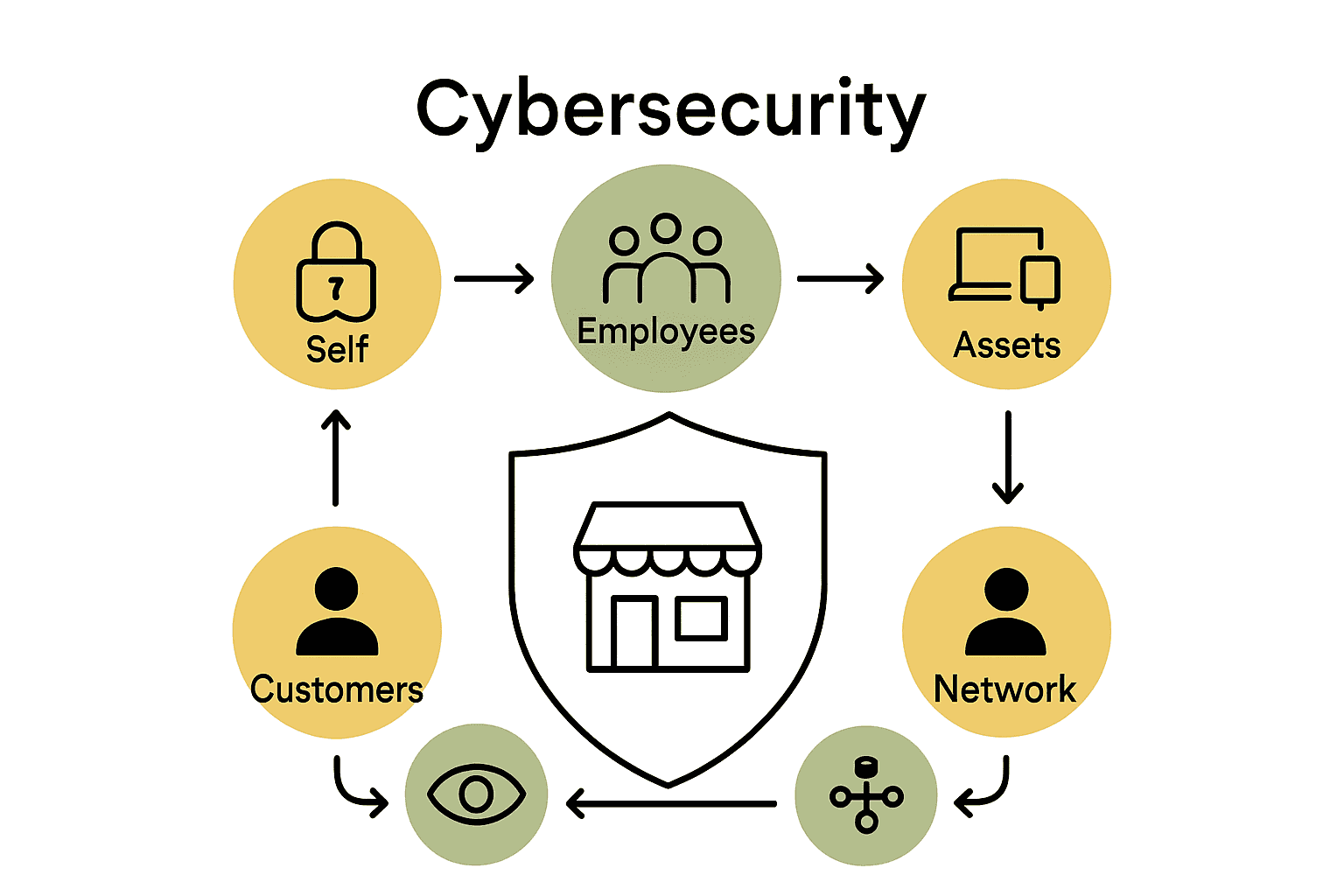
Despite its advantages, digital entrepreneurship is not without challenges. High competition, changing algorithms, and cybersecurity threats can impact business stability.
Entrepreneurs must continuously learn, adapt, and innovate to stay relevant. Building trust with customers and maintaining consistent quality is essential for long-term success.
Market Saturation
Many digital markets are highly competitive. Standing out requires strong branding, unique value propositions, and effective marketing strategies.
Technical Skills Gap
Some entrepreneurs struggle due to a lack of technical knowledge. However, online courses and digital tools have made it easier to acquire necessary skills.
Future of Digital Entrepreneurship
The future of digital entrepreneurship looks incredibly promising. With advancements in AI, blockchain, and virtual reality, new business opportunities will continue to emerge. Governments and educational institutions are also supporting digital skills development.
In 2026 and beyond, entrepreneurs who embrace innovation, focus on customer value, and adapt to technological changes will thrive in the digital economy.
Conclusion
Digital entrepreneurship has redefined the meaning of business success. It offers freedom, scalability, and global reach like never before. While challenges exist, the opportunities far outweigh the risks for those willing to learn and evolve.
For aspiring entrepreneurs, now is the perfect time to step into the digital world and build a business that aligns with the future.