Introduction
In today’s fast-paced digital world, storytelling has emerged as one of the most powerful tools in media and content creation. Whether it’s a brand trying to connect with its audience or a creator building a loyal following, storytelling plays a crucial role in capturing attention and delivering meaningful messages.
In 2026, where audiences are constantly bombarded with information, stories stand out because they evoke emotions, create connections, and leave lasting impressions. This blog explores the importance of storytelling, its impact on modern media, and how creators can use it effectively.
What is Storytelling in Media?
Storytelling in media refers to the art of conveying messages through narratives that engage and resonate with audiences. It goes beyond simply presenting facts—it creates an experience that people can relate to.
From films and advertisements to social media posts and blogs, storytelling is everywhere. It transforms ordinary content into something memorable and impactful.
Why Storytelling Matters
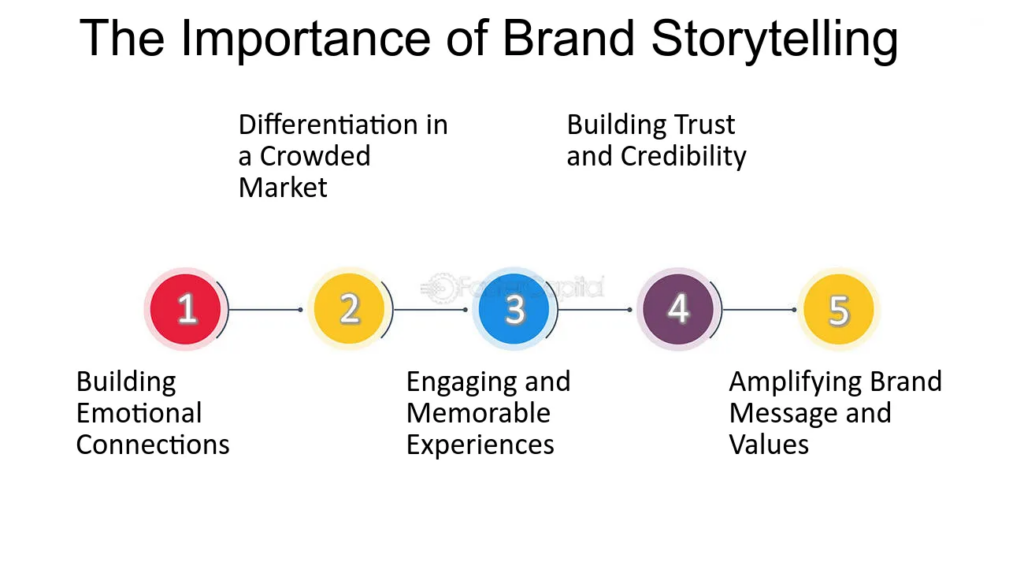
1. Emotional Connection
Stories evoke emotions, making it easier for audiences to connect with the message. Emotional engagement often leads to stronger brand loyalty and audience retention.
2. Better Communication
Complex ideas can be simplified through storytelling. A well-crafted narrative makes information easier to understand and remember.
3. Increased Engagement
Content that tells a story is more likely to be shared, liked, and commented on, increasing its reach and impact.
4. Stronger Brand Identity
Brands that use storytelling effectively can differentiate themselves and build a unique identity in the market.
Types of Storytelling in Modern Media
Brand Storytelling
Companies use storytelling to share their journey, values, and mission. This helps build trust and credibility with customers.
Visual Storytelling
Images, videos, and graphics are used to tell stories in a visually appealing way. Platforms like Instagram and YouTube rely heavily on this format.
Interactive Storytelling
Interactive content such as polls, quizzes, and games allows audiences to become part of the story, enhancing engagement.
Data Storytelling
Data is presented in a narrative format using charts and visuals, making it easier to understand and interpret.
Key Elements of Effective Storytelling
1. A Clear Message
Every story should have a purpose. What do you want your audience to learn or feel?
2. Relatable Characters
Characters make stories human. Whether it’s a customer, employee, or fictional persona, relatability is key.
3. Conflict and Resolution
A compelling story includes challenges and how they are overcome. This keeps the audience engaged.
4. Authenticity
Authentic stories build trust. Audiences can easily detect when a story feels forced or insincere.
Storytelling in Digital Marketing
Digital marketing has evolved from simple advertisements to narrative-driven campaigns. Brands now focus on telling stories that resonate with their audience rather than just promoting products.
For example, successful campaigns often highlight customer experiences, behind-the-scenes moments, or real-life success stories. This approach creates a deeper connection with the audience.
Challenges in Storytelling
Information Overload
With so much content available, standing out requires creativity and originality.
Short Attention Spans
Modern audiences have limited attention spans, making it essential to capture interest quickly.
Maintaining Consistency
Consistency in tone and message is crucial for effective storytelling, especially for brands.
Future of Storytelling
- Integration of AI in content creation
- Rise of immersive storytelling through VR and AR
- Growth of personalized content experiences
- Increased use of short-form video content
As technology advances, storytelling will continue to evolve, offering new ways to engage and inspire audiences.
Tips for Creating Powerful Stories
Know Your Audience
Understand who you are speaking to and tailor your story accordingly.
Keep It Simple
Avoid overcomplicating your message. Simplicity often leads to clarity and impact.
Use Visuals
Incorporate images and videos to enhance your storytelling.
Be Authentic
Stay true to your message and values. Authenticity builds trust and credibility.
Conclusion
Storytelling is at the heart of modern media and content creation. It has the power to inform, inspire, and connect people in ways that traditional communication cannot.
As we move forward, mastering the art of storytelling will become increasingly important for creators, marketers, and businesses alike. By understanding its principles and adapting to new trends, anyone can create compelling stories that leave a lasting impact.