Artificial Intelligence (AI) has rapidly become one of the most transformative technologies of the 21st century. From automated customer service systems to self-driving cars and advanced medical diagnostics, AI is reshaping industries across the globe. However, while machines are becoming smarter and more capable, one question continues to emerge: what role does human creativity play in an increasingly automated world?
Human creativity remains one of the most valuable and irreplaceable qualities in modern society. While artificial intelligence can process large amounts of data and perform repetitive tasks efficiently, it still struggles to replicate the depth of imagination, emotion, and originality that humans naturally possess. As AI continues to evolve, the collaboration between human creativity and intelligent machines will likely define the future of innovation.
Understanding Human Creativity
Creativity is the ability to generate new ideas, concepts, or solutions that are both original and valuable. It plays a critical role in fields such as art, literature, business, science, and technology. Throughout history, human creativity has driven progress and enabled societies to solve complex problems.
Artists create powerful works that inspire emotions, entrepreneurs develop innovative business models, and scientists design groundbreaking experiments. These achievements rely heavily on imagination, intuition, and personal experience—qualities that remain difficult for machines to replicate fully.
The Capabilities of Artificial Intelligence
Artificial intelligence is exceptionally powerful when it comes to analyzing data, recognizing patterns, and automating tasks. Machine learning algorithms can process vast datasets far faster than any human could. This ability makes AI extremely useful in areas such as financial analysis, healthcare diagnostics, logistics optimization, and cybersecurity.
AI can also assist in creative tasks. For example, algorithms can generate music compositions, produce artwork, write articles, and even assist in movie production. However, these outputs are often based on patterns learned from existing data rather than genuine creative inspiration.
Why Human Creativity Still Matters
1. Emotional Intelligence
Human creativity is deeply connected to emotions. Writers craft stories that move audiences, musicians compose songs that express complex feelings, and designers create experiences that resonate with people. AI may mimic certain styles, but it does not truly experience emotions or understand the deeper human context behind creative expression.
2. Original Thinking
True creativity often involves breaking existing patterns and imagining something completely new. While AI systems learn from historical data, humans have the ability to challenge conventional thinking and develop entirely new perspectives.
Many groundbreaking ideas—from revolutionary scientific theories to innovative business strategies—emerged because individuals dared to think differently.
3. Complex Problem Solving
Some of the world`s most pressing challenges require creative problem solving that extends beyond simple data analysis. Climate change, global health crises, and social inequalities demand imaginative solutions that combine technology, policy, and human empathy.
The Collaboration Between Humans and AI
Rather than replacing human creativity, artificial intelligence is increasingly becoming a powerful tool that enhances it. Many professionals now use AI to accelerate creative workflows and explore new possibilities.
For instance, graphic designers can use AI-powered software to generate design ideas quickly. Writers can utilize AI tools for research and editing support. Filmmakers can employ AI to improve visual effects and production efficiency. In each case, the human creator remains the guiding force behind the final output.
This collaboration between humans and machines is often referred to as "augmented creativity." AI provides computational power and automation, while humans contribute imagination, context, and emotional depth.
Industries Where Creativity and AI Intersect
Media and Entertainment
AI technologies are being used to generate visual effects, edit videos, recommend content, and even create digital characters. However, directors, writers, and artists continue to shape the creative vision behind films, television shows, and games.
Marketing and Advertising
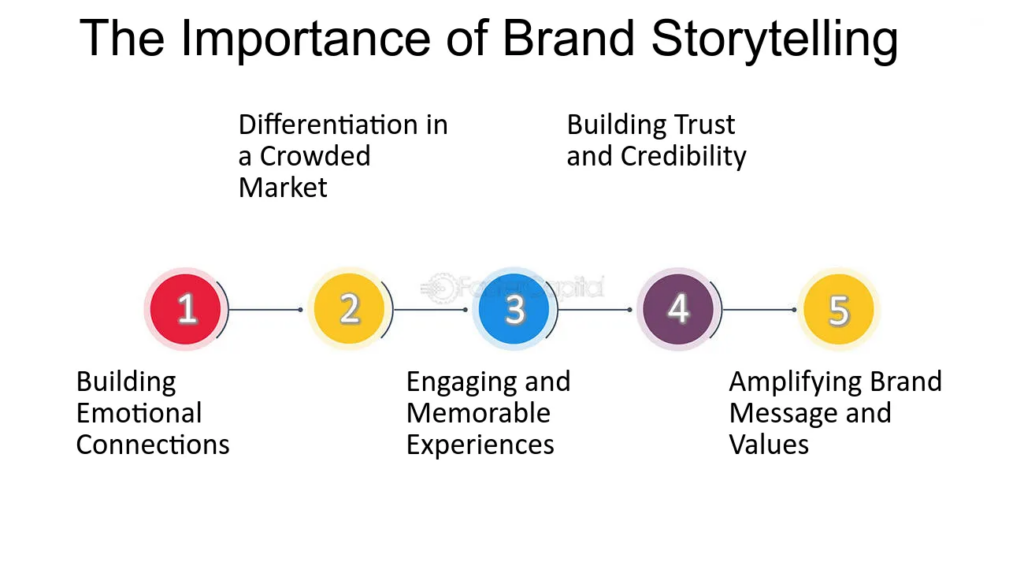
Marketing professionals use AI to analyze consumer behavior and predict trends. At the same time, creative teams design compelling campaigns that capture audience attention and communicate brand identity.
Product Design
In product development, AI can simulate designs and test different prototypes quickly. Designers then refine these ideas using their creativity and understanding of human needs.
Preparing for the Future
As artificial intelligence continues to advance, education systems and workplaces must focus on developing uniquely human skills. Creativity, critical thinking, emotional intelligence, and collaboration will become increasingly valuable in the future job market.
Students should be encouraged to explore artistic activities, creative problem solving, and interdisciplinary learning. At the same time, understanding technology and digital tools will help individuals effectively collaborate with AI systems.
Conclusion
The rise of artificial intelligence is undoubtedly transforming the modern world. Yet despite its impressive capabilities, AI cannot fully replace the creativity, imagination, and emotional intelligence that define human innovation.
Instead of viewing AI as a competitor, society should embrace it as a powerful partner that amplifies human potential. By combining technological advancements with human creativity, the world can unlock new levels of innovation and progress in the years ahead.