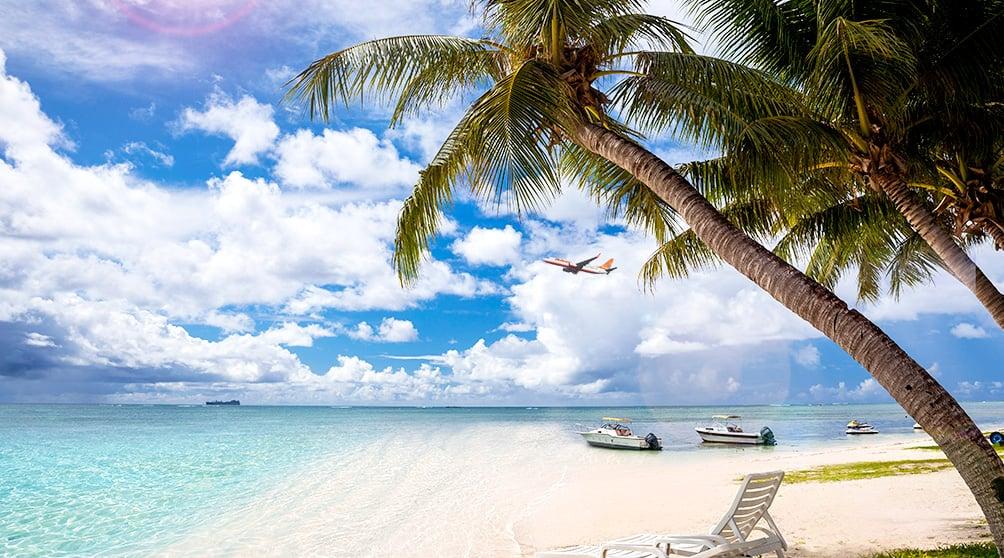
Travel has always been one of the most exciting and meaningful parts of human life. For centuries, people have traveled to explore new lands, discover cultures, conduct business, seek education, and experience adventure. In the modern world, travel has become more accessible than ever before due to advancements in transportation, technology, and global connectivity.
Today, millions of people travel every day for tourism, work, education, family visits, and personal growth. Traveling allows individuals to experience different cultures, traditions, foods, languages, and lifestyles while gaining valuable memories and perspectives.
Beyond entertainment and relaxation, travel also contributes to personal development, economic growth, and global understanding. It helps people break routines, reduce stress, and connect with the wider world in meaningful ways.
The Evolution of Modern Travel
Travel has changed dramatically over time. In ancient civilizations, traveling was often difficult, dangerous, and time-consuming. People traveled by foot, animals, or ships for trade, exploration, and migration.
The invention of trains, automobiles, and airplanes transformed travel into a faster and more comfortable experience. Today, international travel that once took months can now be completed within hours.
Technology has further simplified travel through online booking systems, digital maps, translation apps, and travel platforms. Smartphones now allow travelers to manage flights, hotels, transportation, and navigation from one device.
The Benefits of Traveling
Learning About Different Cultures
One of the greatest advantages of travel is cultural exposure. Visiting different countries and cities allows travelers to experience unique traditions, customs, languages, and lifestyles.
Understanding cultural diversity helps people become more open-minded and respectful toward others. Travelers often gain a deeper appreciation for global traditions and human experiences.
Personal Growth and Confidence
Travel challenges people to step outside their comfort zones. Navigating unfamiliar places, communicating with new people, and adapting to different environments build confidence and independence.
Many travelers return home with improved problem-solving skills, stronger communication abilities, and greater self-awareness.
Stress Relief and Mental Wellness
Travel provides opportunities to relax and escape daily routines. Visiting natural landscapes, beaches, mountains, or historical locations can reduce stress and improve mental well-being.
Taking breaks from work and responsibilities often helps individuals recharge emotionally and physically.
The Economic Importance of Tourism
Tourism is one of the largest industries in the world. It generates billions of dollars annually and creates millions of jobs globally.
Job Creation
Travel and tourism support employment in hotels, airlines, restaurants, transportation services, tour companies, entertainment industries, and local businesses.
Many countries rely heavily on tourism as a major source of economic income.
Support for Local Businesses
Travelers spend money on accommodation, food, souvenirs, transportation, and activities. This supports small businesses and local communities.
Cultural tourism also helps preserve traditional arts, crafts, and heritage sites by generating financial support.
Types of Modern Travel
Adventure Travel
Adventure tourism involves exciting activities such as hiking, mountain climbing, scuba diving, skiing, and wildlife exploration.
Many travelers seek adventure experiences to challenge themselves and connect with nature.
Business Travel
Business travel remains important in the global economy. Professionals travel for meetings, conferences, trade events, and international partnerships.
Although virtual communication has reduced some business travel, face-to-face interactions continue to play a valuable role in professional relationships.
Educational Travel
Students often travel for educational purposes, including international study programs, research projects, and cultural exchanges.
Educational travel helps students gain international exposure and practical learning experiences.
Medical Tourism
Medical tourism has become increasingly popular as people travel to other countries for affordable healthcare treatments and specialized medical procedures.
The Role of Technology in Travel
Technology has completely transformed the travel experience in recent years.
Online Booking Platforms
Travelers can now book flights, hotels, rental cars, and vacation packages instantly through online platforms and mobile apps.
Price comparison websites also help travelers find affordable options more easily.
Digital Navigation
GPS technology and digital maps make navigation simple even in unfamiliar locations. Travelers can explore cities confidently using smartphones and travel applications.
Social Media Influence
Social media platforms inspire travel trends by showcasing destinations, food experiences, and adventure activities through photos and videos.
Influencers and travel bloggers have become major sources of travel inspiration for younger generations.
Challenges in Modern Travel
Environmental Impact
Tourism can negatively affect the environment through pollution, waste generation, and overuse of natural resources. Air travel also contributes significantly to carbon emissions.
Sustainable tourism practices are becoming increasingly important to protect natural ecosystems and cultural heritage.
Overtourism
Popular tourist destinations sometimes face overcrowding, which can damage local communities and historical sites.
Governments and tourism organizations are working to manage visitor numbers and promote responsible tourism.
Travel Costs
Rising transportation and accommodation costs can make travel expensive for many people. Budget planning and affordable travel options are essential for accessible tourism.
The Importance of Sustainable Travel
Sustainable travel focuses on minimizing environmental damage while supporting local communities and preserving cultural heritage.
Eco-Friendly Tourism
Many travelers now prefer eco-friendly hotels, renewable energy practices, and environmentally responsible tourism activities.
Reducing plastic waste, conserving water, and supporting local businesses are important aspects of sustainable travel.
Respecting Local Cultures
Responsible travelers respect local customs, traditions, and environments. Cultural sensitivity helps maintain positive relationships between tourists and local communities.
Travel and Global Understanding
Travel helps people understand different societies and lifestyles, reducing stereotypes and promoting international understanding.
Meeting people from diverse backgrounds encourages empathy, communication, and global awareness.
In an increasingly connected world, travel strengthens cultural exchange and international cooperation.
The Future of Travel
The travel industry continues to evolve with advancements in technology and changing consumer preferences.
Smart Travel Experiences
Artificial intelligence, virtual reality, and smart airports are improving travel convenience and efficiency.
AI-powered travel assistants may soon provide personalized recommendations and automated trip planning.
Space Tourism
Space tourism is becoming a real possibility as private companies develop commercial space travel programs.
Although still expensive, future generations may experience travel beyond Earth itself.
Sustainable Innovation
Future transportation systems may focus more on sustainability through electric aircraft, eco-friendly hotels, and greener tourism infrastructure.
Conclusion
Travel is one of the most enriching experiences in human life. It allows people to explore the world, learn about different cultures, build confidence, and create unforgettable memories.
Beyond personal enjoyment, travel supports economic growth, promotes cultural understanding, and strengthens global connections.
Although modern travel faces challenges such as environmental impact and rising costs, responsible tourism and sustainable practices can help preserve destinations for future generations.
As technology continues to improve and global connectivity increases, travel opportunities will likely become even more diverse and accessible.
In the end, travel is not only about visiting new places. It is about discovering new perspectives, understanding humanity, and experiencing the beauty and diversity of the world around us.