Education has always been a powerful tool for personal growth and social development. In today’s rapidly changing world, education plays an even more critical role in shaping individuals, communities, and nations. It is not limited to classrooms and textbooks anymore; education now extends to digital platforms, online courses, and lifelong learning opportunities.
The modern world demands skills such as critical thinking, creativity, adaptability, and technological awareness. Education provides the foundation needed to develop these skills and prepares individuals to face global challenges with confidence.
What Is Education in the Modern Context?
Education in the modern era goes beyond traditional teaching methods. It includes formal education in schools and universities, informal learning through experience, and online education through digital platforms. The goal is not only to acquire knowledge but also to develop problem-solving abilities and ethical values.
With the rise of technology, education has become more accessible. Students can now learn from anywhere in the world, breaking geographical and financial barriers that once limited learning opportunities.
Why Education Is Essential Today
Personal Development
Education helps individuals understand the world around them and discover their potential. It improves communication skills, boosts confidence, and encourages independent thinking. An educated person is more likely to make informed decisions and lead a fulfilling life.
Career Opportunities
In the modern job market, education is directly linked to employment opportunities. Employers seek skilled individuals who can adapt to new technologies and work environments. Higher education and professional training increase the chances of securing stable and well-paying jobs.
Social Awareness
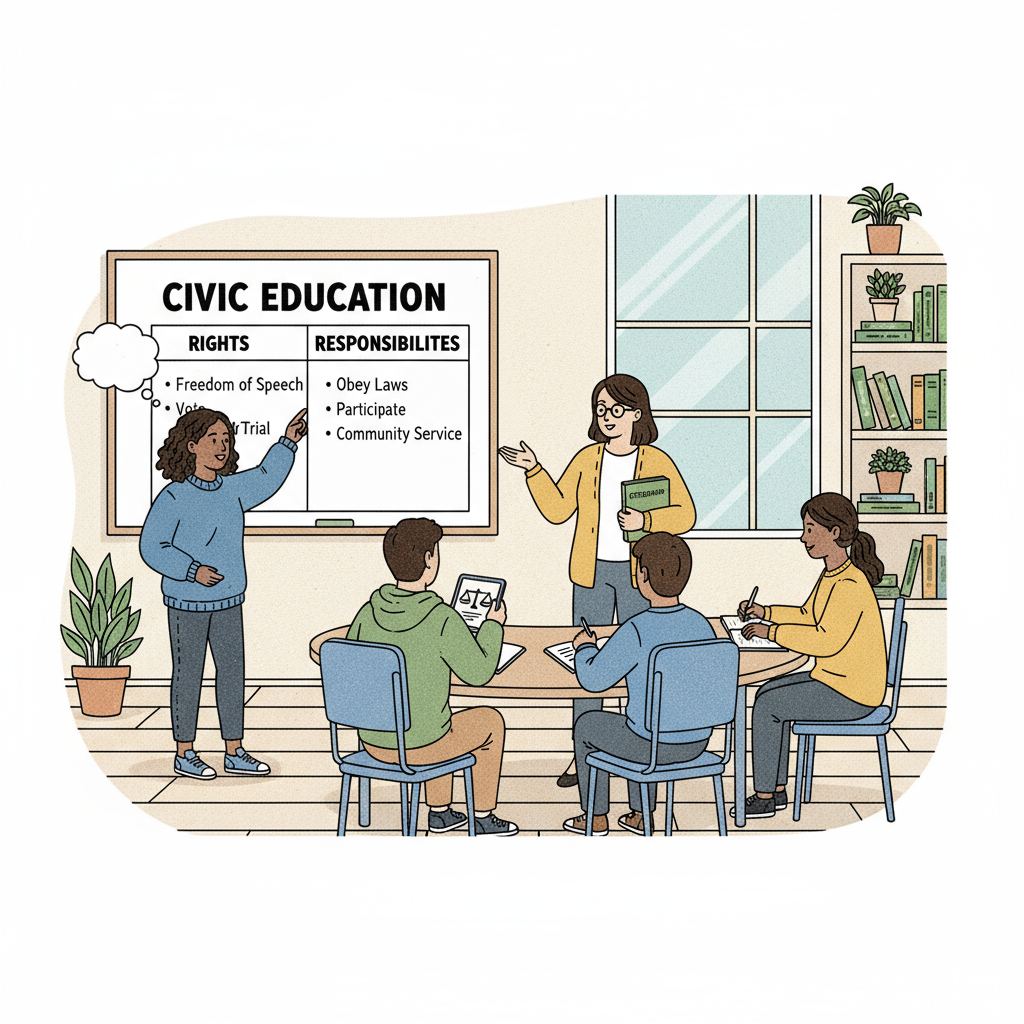
Education promotes social harmony by teaching values such as tolerance, equality, and respect. It enables people to understand different cultures and perspectives, contributing to peaceful and inclusive societies.
The Role of Technology in Education
Online Learning Platforms
Online education platforms such as virtual classrooms, video lectures, and learning management systems have transformed education. Students can now access quality education without attending physical institutions.
These platforms offer flexibility, allowing learners to study at their own pace and according to their schedules.
Digital Skills Development
Modern education emphasizes digital literacy. Skills such as coding, data analysis, and digital communication are now essential for success in many industries. Educational institutions are increasingly integrating technology into their curricula.
Artificial Intelligence in Education
AI-powered tools help personalize learning experiences. They analyze student performance and provide customized content, improving learning outcomes and engagement.
Challenges Facing Modern Education
Access to Quality Education
Despite technological advancements, many people around the world still lack access to quality education. Poverty, lack of infrastructure, and limited internet connectivity remain significant challenges.
Outdated Education Systems
Some education systems fail to adapt to modern needs. Traditional teaching methods may not prepare students for real-world challenges, leading to skill gaps.
Mental Health and Academic Pressure
Students often face stress due to academic pressure, competition, and expectations. Modern education must address mental well-being alongside academic achievement.
Education and Economic Growth
Education is a key driver of economic development. Educated populations contribute to innovation, productivity, and entrepreneurship. Countries that invest in education tend to experience higher economic growth and improved living standards.
Skilled workers attract foreign investment and strengthen national economies. Education also reduces unemployment and poverty by creating opportunities for sustainable livelihoods.
The Importance of Lifelong Learning
Adapting to Change
The modern world is constantly evolving due to technological advancements and globalization. Lifelong learning allows individuals to update their skills and remain relevant in changing job markets.
Personal Satisfaction
Learning new skills and gaining knowledge throughout life enhances personal satisfaction and intellectual growth. It keeps the mind active and promotes creativity.
How Education Shapes the Future
Education shapes future leaders, innovators, and problem-solvers. It empowers individuals to address global challenges such as climate change, healthcare, and social inequality.
By investing in education today, societies ensure a better, more sustainable future for coming generations.
Conclusion
Education is the foundation of progress in the modern world. It empowers individuals, strengthens societies, and drives economic growth. As technology continues to evolve, education must adapt to prepare learners for future challenges.
A strong education system that focuses on knowledge, skills, and values is essential for building a successful and sustainable world.