Politics has always played a major role in shaping societies, economies, and international relationships. In recent years, the rise of digital technology and social media has transformed political communication and public engagement in ways never seen before.
Political leaders, governments, journalists, and citizens now use digital platforms to share opinions, spread information, organize campaigns, and discuss national and global issues. Social media platforms have become powerful tools capable of influencing public opinion, elections, and political movements worldwide.
The relationship between politics and digital media continues to evolve rapidly, creating both opportunities and challenges for democratic societies.
The Evolution of Political Communication
Traditional political communication relied heavily on newspapers, television, radio, and public speeches. Political campaigns were expensive and depended largely on mass media exposure.
Today, digital platforms allow politicians to communicate directly with millions of people instantly. This shift has changed how political messages are created, distributed, and consumed.
Key Changes in Political Communication
- Instant communication through social media
- Live streaming of political events
- Direct interaction between leaders and citizens
- Rapid spread of political news
- Increased use of digital advertising
Political campaigns now depend heavily on online visibility and digital engagement strategies.
The Power of Social Media in Politics
Social media platforms have become some of the most influential tools in modern politics. Politicians use platforms such as Facebook, X, Instagram, YouTube, and TikTok to communicate policies, respond to criticism, and connect with younger audiences.
Social media provides citizens with instant access to political discussions and breaking news updates.
Advantages of Social Media in Politics
- Faster public communication
- Increased political awareness
- Greater public participation
- Cost-effective political campaigns
- Global reach and visibility
Social media also allows ordinary citizens to express opinions and participate in political debates more actively than ever before.
The Role of Youth in Modern Politics
Younger generations are increasingly shaping political conversations and social movements. Digital platforms have made it easier for young people to organize campaigns, raise awareness, and advocate for social change.
Issues such as climate change, education reform, employment opportunities, and social justice have motivated many young citizens to become politically active.
Why Youth Participation Matters
- Encourages innovation in leadership
- Promotes democratic participation
- Brings attention to future-focused issues
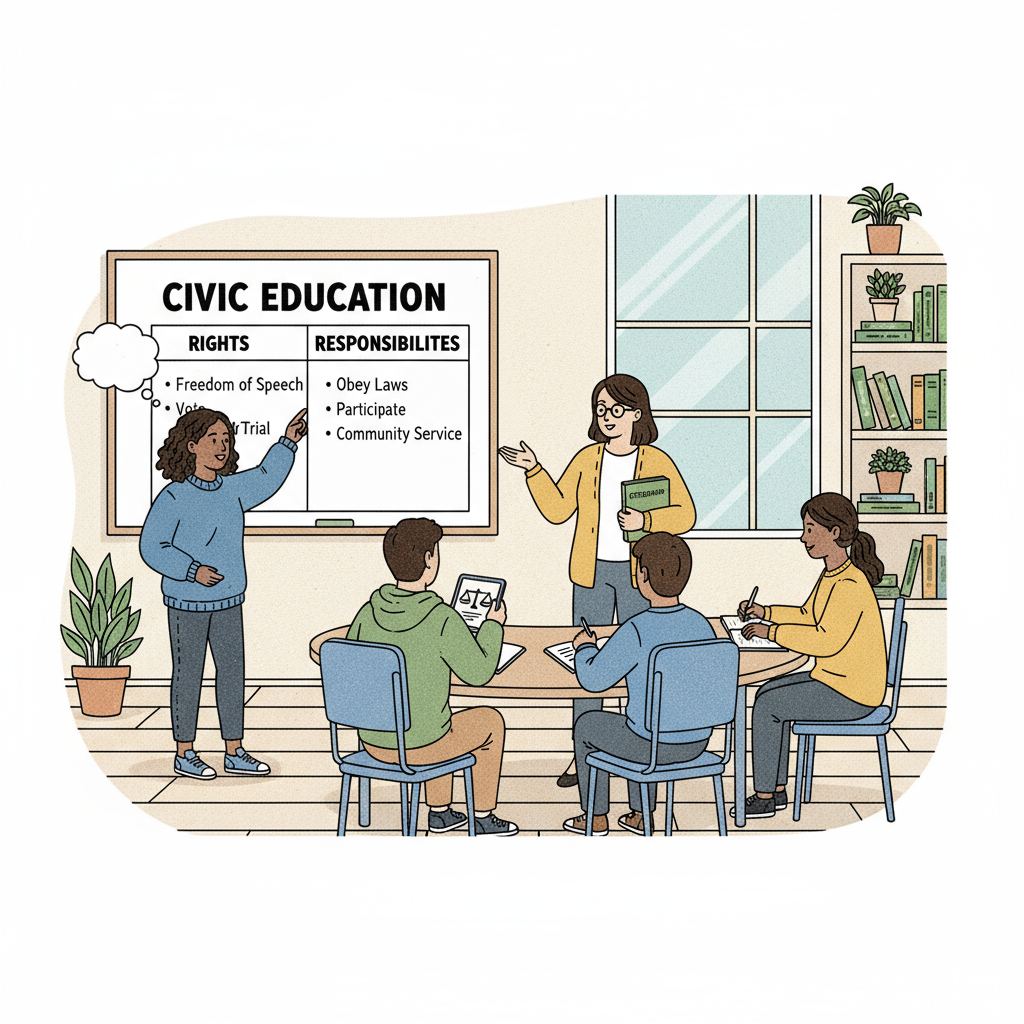
- Strengthens civic engagement
- Increases political accountability
Political systems often become stronger when younger generations actively participate in democratic processes.
Digital Campaigning and Elections
Election campaigns have changed dramatically due to digital technology. Political parties now use data analytics, online advertising, and targeted messaging to influence voters.
Campaign teams analyze voter behavior and interests to create personalized political advertisements and communication strategies.
Modern Digital Campaign Strategies
- Social media advertising
- Email marketing campaigns
- Online fundraising
- Virtual political rallies
- Data-driven voter targeting
Digital campaigns can reach large audiences quickly and often at lower costs compared to traditional political advertising.
Challenges of Digital Politics
While digital technology offers many benefits, it also creates serious political challenges. Misinformation, fake news, and online manipulation can negatively influence public opinion and democratic systems.
False information spreads rapidly online, making it difficult for citizens to identify trustworthy sources.
Major Challenges in Digital Politics
- Spread of misinformation
- Cybersecurity threats
- Political polarization
- Online harassment and hate speech
- Privacy concerns and data misuse
Governments and technology companies continue to debate how to balance freedom of expression with the need to prevent harmful content.
The Importance of Political Transparency
Transparency is essential for maintaining public trust in political institutions. Citizens expect governments and political leaders to communicate openly about policies, decisions, and public spending.
Digital platforms can improve transparency by making government information more accessible to the public.
Ways Technology Supports Transparency
- Online access to government data
- Digital public service portals
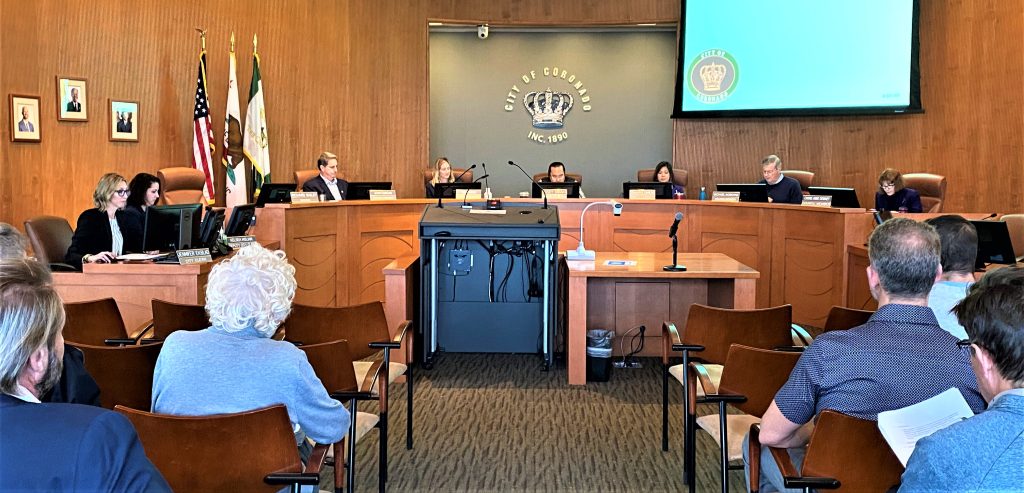
- Live broadcasts of political sessions
- Online public feedback systems
- Real-time communication during crises
Greater transparency often leads to increased accountability and stronger democratic systems.
Global Politics and International Relations
Modern politics is increasingly interconnected through globalization and digital communication. Political decisions made in one country can affect economies, security, and international relationships around the world.
Global issues such as climate change, trade, migration, cybersecurity, and public health require international cooperation between governments.
Diplomacy and global partnerships play critical roles in maintaining peace and addressing international challenges.
The Impact of Artificial Intelligence on Politics
Artificial Intelligence (AI) is beginning to influence political systems and governance. Governments and political organizations use AI for data analysis, public opinion research, and administrative efficiency.
Political Uses of AI Technology
- Voter behavior analysis
- Automated public service systems
- Political trend forecasting
- Security and surveillance systems
- Language translation for diplomacy
However, the use of AI in politics also raises ethical concerns regarding privacy, bias, and automated decision-making.
The Future of Democracy
Democracy continues to evolve alongside technological and social changes. Citizens today expect faster communication, greater transparency, and more opportunities for participation in decision-making processes.
Digital tools may help strengthen democratic systems by improving access to information and encouraging civic engagement.
However, protecting democratic values requires responsible leadership, media literacy, and active public participation.
Conclusion
Politics in the digital age is changing rapidly due to social media, artificial intelligence, and online communication technologies. These innovations have transformed political campaigns, public engagement, and the relationship between governments and citizens.
While digital politics creates new opportunities for transparency and participation, it also presents challenges such as misinformation, cybersecurity threats, and political polarization.
The future of politics will depend on how societies balance technological advancement with democratic principles, ethical leadership, and informed public participation.