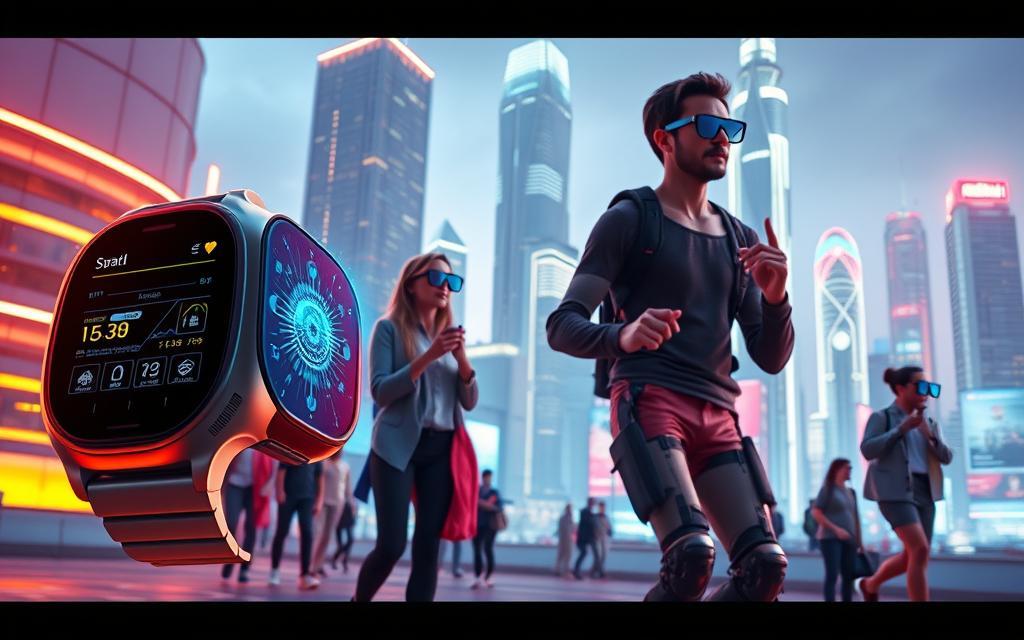
Travel has always been one of the most exciting ways to discover new cultures, experience different lifestyles, and create unforgettable memories. In 2026, the travel industry is experiencing a major transformation driven by technology, sustainability, changing traveler preferences, and innovative services.
Modern travelers are looking for more than traditional vacations. They want personalized experiences, smarter booking systems, eco-friendly destinations, authentic cultural connections, and convenient journeys. Technology is making travel faster, safer, and more accessible for people around the world.
From artificial intelligence-powered travel assistants to smart hotels and sustainable tourism, the future of travel is focused on creating meaningful experiences while protecting the planet.
The Changing Landscape of Travel
The travel industry has changed significantly in recent years. Travelers now use smartphones, online platforms, and digital tools to plan every part of their journey. They can compare destinations, book accommodations, explore attractions virtually, and receive personalized recommendations within seconds.
In 2026, travel is becoming more flexible and technology-driven, allowing people to create customized experiences based on their interests, budgets, and lifestyles.
1. Artificial Intelligence in Travel Planning

Artificial Intelligence (AI) is revolutionizing the way people plan their trips. AI-powered travel assistants can recommend destinations, create personalized itineraries, suggest activities, and help travelers manage bookings.
Instead of spending hours searching for information, travelers can receive customized suggestions based on their preferences, travel history, budget, and interests.
Benefits of AI in Travel
- Personalized travel recommendations.
- Faster trip planning.
- Smart booking assistance.
- Real-time travel updates.
- Language translation support.
- Improved customer service.
2. Sustainable and Eco-Friendly Tourism

Sustainability has become one of the biggest priorities in the travel industry. More travelers are choosing destinations, hotels, and transportation options that reduce environmental impact.
Eco-friendly tourism focuses on protecting natural resources, supporting local communities, and preserving cultural heritage. Many destinations are introducing green initiatives to create responsible travel experiences.
Sustainable Travel Practices
- Choosing eco-friendly accommodations.
- Using public transportation.
- Reducing plastic waste.
- Supporting local businesses.
- Respecting natural environments.
3. Smart Airports and Faster Travel Experiences

Airports are becoming smarter with advanced technology designed to improve passenger experiences. Digital check-ins, biometric identification, automated security systems, and real-time flight updates are making air travel faster and more convenient.
Passengers can now complete many airport processes through mobile applications, reducing waiting times and improving overall efficiency.
Smart Airport Features
- Digital boarding passes.
- Biometric verification.
- Automated baggage systems.
- Real-time flight information.
- Smart navigation assistance.
4. Rise of Personalized Travel Experiences

Travelers are increasingly looking for unique experiences instead of standard vacation packages. Personalized travel allows people to design trips based on their hobbies, interests, and personal preferences.
Whether someone enjoys adventure, food, history, nature, or luxury experiences, travel companies are creating customized packages to meet individual needs.
Popular Personalized Travel Trends
- Adventure tourism.
- Cultural experiences.
- Wellness retreats.
- Food and culinary journeys.
- Nature-based travel.
- Luxury customized vacations.
Conclusion (Part 1)
Travel in 2026 is becoming smarter, more personalized, and more sustainable. Artificial intelligence, eco-friendly tourism, smart airports, and customized experiences are changing how people explore the world.
The future of travel is not only about reaching a destination—it is about creating meaningful experiences while making journeys easier, safer, and more responsible.
In Part 2, we will explore smart hotels, digital nomad travel, virtual tourism, future transportation, travel safety innovations, and the biggest travel trends shaping the years ahead.
5. Smart Hotels and Connected Accommodation

Hotels are becoming smarter by using advanced technology to improve guest experiences. In 2026, many hotels are adopting artificial intelligence, automation, and Internet of Things (IoT) devices to provide personalized services and greater convenience.
Smart rooms allow guests to control lighting, temperature, entertainment systems, and security features through smartphones or voice commands. These technologies create a more comfortable and customized stay.
Smart Hotel Features
- Mobile check-in and check-out.
- AI-powered customer service.
- Smart room controls.
- Personalized guest recommendations.
- Automated security systems.
- Energy-efficient facilities.
6. Digital Nomad Travel Growth

Remote work has changed the way people travel. Digital nomads are professionals who work online while exploring different destinations. In 2026, more countries are creating special programs and facilities to attract remote workers.
High-speed internet, coworking spaces, affordable accommodation, and flexible lifestyles are making long-term travel easier for professionals around the world.
Why Digital Nomad Travel Is Growing
- Remote work opportunities.
- Flexible schedules.
- Access to global communities.
- Affordable international living options.
- Better work-life balance.
7. Virtual Tourism and Digital Experiences

Virtual tourism is becoming an exciting part of the travel industry. Using virtual reality (VR) technology, people can explore destinations, museums, historical locations, and natural wonders without physically traveling.
Although virtual experiences cannot fully replace real travel, they provide opportunities for education, planning, and accessibility for people who may not be able to visit certain locations.
Benefits of Virtual Tourism
- Explore destinations before visiting.
- Educational travel experiences.
- Greater accessibility.
- Reduced travel costs.
- Digital cultural exploration.
8. Future Transportation Innovations

Transportation is one of the most important parts of travel, and new innovations are making journeys faster and more efficient. Electric vehicles, autonomous transportation, high-speed rail, and advanced aviation technologies are shaping the future of mobility.
Sustainable transportation solutions are also helping reduce carbon emissions while providing travelers with cleaner and more efficient options.
Future Travel Transportation Trends
- Electric vehicles.
- Autonomous cars.
- High-speed trains.
- Electric aircraft development.
- Smart public transportation.
9. Improved Travel Safety and Security
Safety remains a top priority for travelers. In 2026, technology is helping improve security through digital identity systems, real-time alerts, advanced navigation tools, and improved emergency services.
Travel applications can now provide important updates about weather conditions, transportation changes, and local safety information, helping travelers make better decisions.
Modern Travel Safety Features
- Digital travel documents.
- Emergency notification systems.
- Real-time location sharing.
- AI travel assistance.
- Improved airport security.
10. Wellness and Health-Focused Travel

Wellness tourism is becoming increasingly popular as travelers focus on improving their physical and mental health during vacations. Instead of traditional sightseeing only, many people are choosing destinations that offer relaxation, fitness, meditation, and healthy lifestyle experiences.
Wellness retreats, nature escapes, spa experiences, and fitness-focused vacations are helping travelers reduce stress and improve overall well-being.
Popular Wellness Travel Activities
- Meditation retreats.
- Fitness programs.
- Healthy food experiences.
- Nature adventures.
- Relaxation therapies.
Challenges Facing the Travel Industry
- Environmental impact of tourism.
- Increasing travel costs.
- Overcrowded destinations.
- Cybersecurity concerns.
- Maintaining cultural preservation.
- Adapting to climate changes.
The travel industry must balance growth with responsibility. Protecting natural environments, supporting local communities, and using technology responsibly will be essential for sustainable tourism.
Tips for Modern Travelers in 2026
- Plan trips using smart travel applications.
- Choose sustainable travel options.
- Research destinations before visiting.
- Protect personal information online.
- Respect local cultures and traditions.
- Stay flexible with travel plans.
- Focus on meaningful experiences.
Final Thoughts
The future of travel in 2026 is focused on technology, personalization, sustainability, and unforgettable experiences. Smart hotels, artificial intelligence, digital nomad opportunities, virtual tourism, and advanced transportation are transforming the way people explore the world.
Travel will continue to be an important part of human life because it connects people, cultures, and ideas. The travelers of the future will not only seek new destinations but also look for responsible, meaningful, and personalized experiences.
Key Takeaway: The future of travel is about more than visiting places—it is about creating smarter, safer, and more sustainable journeys that improve the way we experience the world.