In today’s fast-changing economy, small businesses are no longer limited by geography, resources, or traditional business models. The rise of digital tools, online marketplaces, and remote work has completely transformed how businesses operate. A digital-first world offers small businesses unprecedented opportunities—but also serious challenges that must be navigated wisely.
This article explores how small businesses can survive, grow, and dominate in a digital-first environment by embracing technology, innovation, and customer-centric strategies.
Understanding the Digital-First Business Model
A digital-first business model prioritizes online presence, digital tools, and technology-driven decision-making. Instead of relying solely on physical locations, businesses leverage websites, social media, e-commerce platforms, and cloud-based systems to reach customers.
For small businesses, this shift means lower startup costs, wider market reach, and improved operational efficiency. Even a single entrepreneur can now compete with established brands using the right digital strategy.
Why Digital Transformation Is No Longer Optional
Consumers today expect convenience, speed, and personalization. They search online before buying, read reviews, compare prices, and expect seamless digital experiences. Businesses that fail to adapt risk becoming irrelevant.
Digital transformation allows small businesses to automate tasks, analyze customer behavior, and provide better services. From online payments to AI-powered chat support, digital tools enhance both productivity and customer satisfaction.
Key Drivers of Digital Change
Several factors are pushing small businesses toward digital adoption. These include changing consumer behavior, mobile usage growth, social media influence, and increasing competition from online-native brands.
Additionally, global events have accelerated digital adoption, forcing businesses to rethink traditional operating models and embrace online solutions.
E-Commerce and Online Marketplaces
E-commerce has become a powerful equalizer for small businesses. Platforms like online stores, marketplaces, and social commerce allow even local brands to sell globally.
By setting up an online store, businesses can operate 24/7, reduce overhead costs, and collect valuable customer data. Secure payment systems and logistics partnerships have made online selling more accessible than ever.
The Role of Social Media in Business Growth
Social media is no longer just a marketing channel—it is a business ecosystem. Platforms allow businesses to connect directly with customers, build brand identity, and drive sales.
Small businesses can use social media for product launches, customer support, storytelling, and community building. Consistent and authentic content helps build trust and long-term relationships.
Content and Engagement Matter
Posting regularly is not enough. Businesses must focus on value-driven content that educates, entertains, or solves problems. Engagement through comments, messages, and live sessions builds credibility and loyalty.
Influencer collaborations and user-generated content further amplify reach without massive marketing budgets.
Data-Driven Decision Making
One of the biggest advantages of digital tools is access to data. Small businesses can track website traffic, customer behavior, sales trends, and marketing performance.
Using analytics, businesses can make informed decisions instead of relying on guesswork. This leads to better pricing strategies, targeted marketing, and improved customer retention.
Cybersecurity and Trust
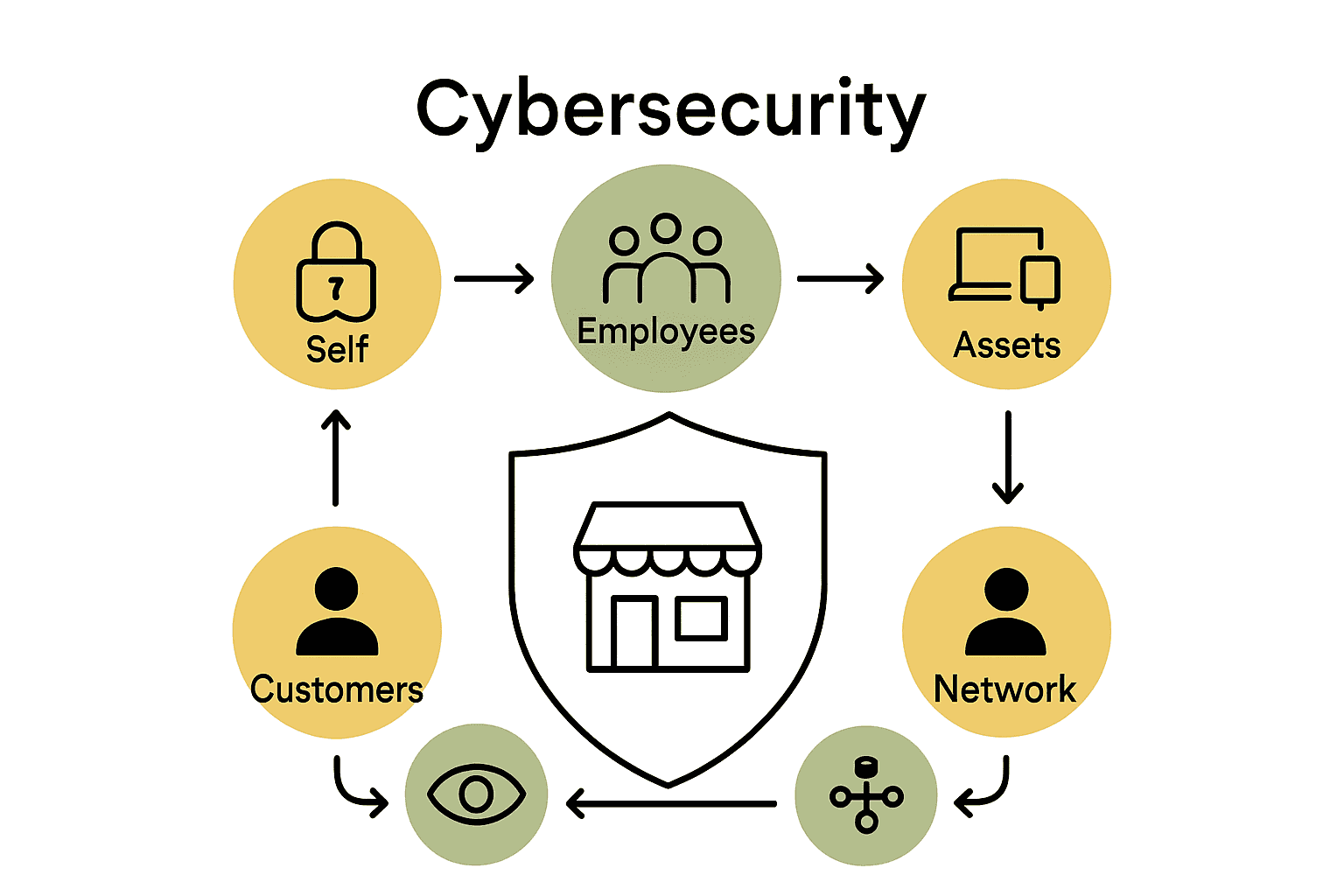
As businesses go digital, cybersecurity becomes critical. Customers trust businesses with personal and financial information, and any breach can damage reputation permanently.
Implementing secure systems, regular updates, and basic cybersecurity practices helps protect both business and customers. Trust is a competitive advantage in the digital age.
Remote Work and Digital Collaboration
Digital tools have enabled remote work, allowing small businesses to hire talent from anywhere. This reduces costs and increases access to skilled professionals.
Cloud-based collaboration tools improve communication, project management, and flexibility. Teams can work efficiently without being tied to a physical office.
Challenges Small Businesses Must Overcome
Despite the benefits, digital transformation comes with challenges. These include lack of technical knowledge, budget constraints, and rapid technology changes.
However, learning gradually, investing wisely, and staying adaptable can help businesses overcome these obstacles. Continuous improvement is key to long-term success.
Adapting to Constant Change
The digital world evolves quickly. Businesses must stay updated with trends, customer expectations, and emerging technologies to remain competitive.
Flexibility and a willingness to experiment often determine which businesses thrive.
The Future Outlook for Small Businesses
The future is promising for small businesses that embrace digital transformation. Technologies like artificial intelligence, automation, and personalized marketing will further level the playing field.
Success will depend on innovation, customer focus, and strategic use of digital tools. Small businesses that act today will lead tomorrow.
Conclusion
A digital-first world is not a threat to small businesses—it is an opportunity. By embracing technology, understanding customers, and adapting to change, small businesses can grow faster and compete globally.
The journey may be challenging, but the rewards are significant. The future belongs to businesses that are ready to evolve.