Politics continues to shape every aspect of modern society, influencing economic growth, education, healthcare, technology, environmental policies, and international relations. In 2026, governments around the world are adapting to rapid technological advancements, changing public expectations, and increasingly interconnected global challenges. Citizens are demanding greater transparency, accountability, and participation in decision-making, while governments are exploring innovative ways to improve public services through digital transformation.
Political systems today face both opportunities and challenges. Economic uncertainty, climate change, cybersecurity threats, migration, and artificial intelligence are creating complex policy issues that require cooperation between governments, businesses, and citizens. At the same time, digital platforms have transformed how people engage with politics by providing instant access to information, online discussions, and civic participation.
This article explores the major political trends shaping 2026, the growing influence of technology on governance, and how democratic institutions are evolving to meet the needs of modern societies.
Why Politics Matters in Everyday Life
Politics affects nearly every aspect of daily life. Government decisions influence taxes, employment opportunities, healthcare systems, education policies, transportation infrastructure, public safety, environmental regulations, and international trade. Even individuals who do not actively follow politics experience the impact of political decisions through public services and economic conditions.
Understanding political systems helps citizens make informed decisions, participate responsibly in democratic processes, and contribute positively to their communities.
1. Digital Transformation in Government
Governments worldwide are investing in digital technologies to improve efficiency and public service delivery. Online government portals now allow citizens to access services such as tax filing, business registration, license renewals, and public records without visiting government offices.
Benefits of Digital Government
- Faster access to public services.
- Reduced paperwork and administrative costs.
- Greater transparency.
- Improved communication between governments and citizens.
- More efficient public administration.
Digital governance helps increase convenience while making government operations more efficient and accessible.
2. The Growing Importance of Transparency
Transparency has become one of the most important expectations citizens have from modern governments. People increasingly demand clear communication, responsible use of public funds, and accountability from elected officials.
Open government initiatives, public reporting systems, and independent oversight institutions play a vital role in strengthening public trust.
Ways Governments Improve Transparency
- Publishing government budgets.
- Providing public access to official information.
- Regular press briefings.
- Independent auditing systems.
- Public consultation on major policies.
3. Technology and Political Communication
Digital platforms have fundamentally changed political communication. Governments, political leaders, journalists, and citizens now communicate instantly through websites, social media, online news platforms, and digital campaigns.
Technology has increased public participation while also creating challenges related to misinformation, online safety, and responsible communication.
Advantages of Digital Communication
- Faster distribution of public information.
- Direct engagement between leaders and citizens.
- Greater public awareness of important issues.
- Improved emergency communication.
- Broader participation in public discussions.
4. International Cooperation
Many global challenges require international cooperation rather than individual national solutions. Climate change, public health emergencies, cybersecurity, international trade, and humanitarian assistance depend on collaboration among governments and international organizations.
Diplomatic dialogue remains essential for promoting peace, economic stability, and shared prosperity.
5. The Role of Young People in Politics
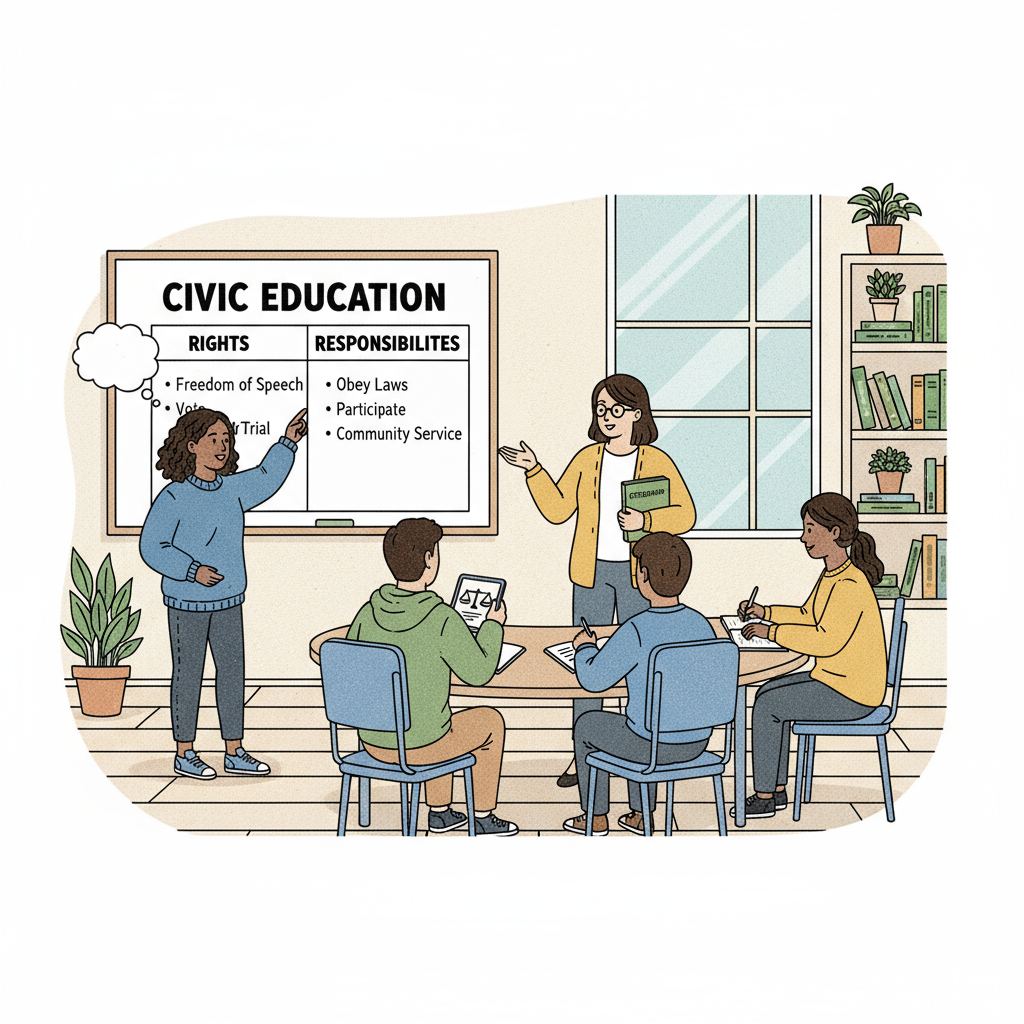
Young people are becoming increasingly active in civic engagement and public policy discussions. Through education, volunteer work, community organizations, and responsible participation in democratic processes, younger generations are helping shape future policies.
How Young Citizens Contribute
- Participating in elections where eligible.
- Joining community service projects.
- Supporting environmental initiatives.
- Engaging in respectful public discussions.
- Promoting civic education.
The involvement of younger generations strengthens democratic institutions and encourages innovative approaches to solving social challenges.
6. Economic Policies and National Development
Economic policy remains one of the most important responsibilities of governments. Decisions regarding taxation, employment, trade, infrastructure investment, and business development directly influence economic growth and living standards.
Balanced economic planning aims to encourage investment, create jobs, support entrepreneurship, and improve public services while maintaining financial stability.
Conclusion (Part 1)
Politics in 2026 is increasingly influenced by technology, transparency, citizen participation, and international cooperation. Modern governments are working to improve digital services while addressing complex global challenges that require collaboration and innovation.
Part 2 will cover:
- Cybersecurity and national security.
- Climate policy and sustainability.
- Artificial Intelligence in governance.
- Election integrity.
- Public trust in institutions.
- Future political trends.
- Final conclusion.
7. Cybersecurity and National Security
As governments increasingly rely on digital infrastructure, cybersecurity has become a fundamental component of national security. Public institutions manage large amounts of sensitive information, including citizen records, financial data, healthcare systems, and critical infrastructure. Protecting these systems from cyber threats is essential for maintaining public trust and ensuring the uninterrupted delivery of government services.
Governments are investing in stronger cybersecurity frameworks, employee training, advanced monitoring systems, and international cooperation to address evolving cyber risks.
Key Cybersecurity Priorities
- Protecting government databases.
- Strengthening national cyber defense systems.
- Educating public employees about cyber threats.
- Improving digital infrastructure security.
- Cooperating internationally on cybersecurity challenges.
8. Climate Policy and Sustainable Development
Climate change continues to influence political decision-making around the world. Governments are introducing policies that encourage renewable energy, reduce carbon emissions, improve environmental conservation, and support sustainable economic development.
Long-term environmental planning benefits both current and future generations while creating opportunities for innovation, green industries, and job creation.
Examples of Climate Initiatives
- Expanding renewable energy projects.
- Supporting sustainable transportation.
- Protecting forests and biodiversity.
- Encouraging energy-efficient infrastructure.
- Promoting responsible waste management.
9. Artificial Intelligence in Public Administration
Artificial Intelligence is becoming an important tool for improving government efficiency. AI can help analyze large datasets, detect patterns, automate administrative tasks, and assist public agencies in delivering faster services.
Responsible implementation is essential to ensure fairness, transparency, privacy protection, and accountability in automated decision-making.
Potential Applications of AI
- Automating routine administrative work.
- Improving public service delivery.
- Supporting policy analysis.
- Managing transportation systems.
- Enhancing emergency response planning.
10. Election Integrity and Public Confidence
Free and fair elections remain one of the foundations of democratic societies. Maintaining confidence in electoral processes requires secure voting systems, transparent procedures, independent oversight, and accurate public information.
Many countries continue to improve election administration through updated technology, stronger security measures, and increased voter education.
Strengthening Electoral Processes
- Protecting election infrastructure.
- Ensuring transparent vote counting.
- Providing voter education programs.
- Supporting independent election monitoring.
- Promoting accurate public information.
11. Building Public Trust
Public trust is one of the most valuable assets of any government. Trust grows when institutions operate transparently, communicate clearly, deliver reliable public services, and remain accountable to citizens.
Strong public institutions encourage greater civic participation and contribute to long-term political stability.
Ways to Strengthen Public Trust
- Transparent communication.
- Efficient public services.
- Responsible financial management.
- Public consultation on important policies.
- Independent oversight and accountability.
12. Civic Participation and Community Engagement
Healthy democracies depend on active citizen participation. Beyond voting, people contribute by engaging in community projects, attending public meetings, volunteering, and participating in respectful public discussions about important issues.
Educational institutions and community organizations also play an important role in promoting civic knowledge and encouraging responsible participation in democratic processes.
Examples of Civic Engagement
- Community volunteer programs.
- Public consultations.
- Educational forums.
- Youth leadership initiatives.
- Local community development projects.
13. Future Political Trends Beyond 2026
Political systems will continue adapting to technological innovation, demographic changes, and evolving global challenges. Digital governance, data-driven policymaking, environmental sustainability, and international cooperation are expected to become increasingly important.
Governments will likely invest further in secure digital services, smart infrastructure, artificial intelligence, and citizen-focused public administration while balancing innovation with privacy and ethical considerations.
Emerging Trends
- Expansion of digital public services.
- Greater use of Artificial Intelligence in administration.
- Improved cybersecurity capabilities.
- Increased environmental policymaking.
- Enhanced international collaboration.
- Greater focus on citizen-centered governance.
Conclusion
Politics in 2026 is increasingly shaped by technology, transparency, sustainability, and citizen engagement. Governments face complex challenges that require thoughtful policymaking, responsible leadership, and effective cooperation across sectors and borders.
Digital transformation is making public services more accessible, while advances in cybersecurity, artificial intelligence, and environmental policy are helping governments prepare for the future. At the same time, democratic values such as accountability, participation, and respect for the rule of law remain essential foundations of effective governance.
As societies continue to evolve, informed citizens, resilient institutions, and constructive dialogue will play an important role in building stronger communities and supporting long-term stability and prosperity. The future of politics will depend not only on technological innovation but also on collaboration, trust, and a shared commitment to the public good.