Politics plays a central role in shaping societies, economies, and international relations. In 2026, political systems around the world are facing significant challenges and opportunities driven by technological innovation, economic change, climate concerns, global security issues, and evolving public expectations. Governments, political parties, and citizens are navigating a rapidly changing landscape where decisions made today will have lasting consequences for future generations.
The increasing interconnectedness of nations means that political developments in one country can have far-reaching effects across the globe. From economic policies and trade agreements to environmental initiatives and digital regulations, modern politics influences nearly every aspect of daily life.
Understanding the key trends shaping politics in 2026 can help citizens, businesses, and policymakers better prepare for future challenges and opportunities.
The Evolving Nature of Modern Politics
Political systems have evolved significantly over the past few decades. The rise of digital communication, social media platforms, and instant access to information has transformed how governments interact with citizens and how political campaigns are conducted.
Citizens today expect greater transparency, accountability, and responsiveness from their elected representatives. As a result, governments are increasingly adopting digital tools to engage with the public and improve service delivery.
Key Characteristics of Modern Politics
- Greater public participation in decision-making.
- Increased use of digital communication channels.
- Focus on transparency and accountability.
- Rapid dissemination of political information.
- Growing influence of global events on domestic policies.
- Data-driven political strategies.
- Enhanced citizen engagement through technology.
Technology`s Impact on Politics
Technology has become one of the most influential factors in modern political systems. Governments use digital platforms to communicate policies, deliver public services, and gather feedback from citizens. Political campaigns increasingly rely on data analytics, artificial intelligence, and social media to reach voters.
While technology offers numerous benefits, it also presents challenges such as misinformation, cybersecurity threats, and concerns about data privacy. Policymakers must balance innovation with regulations that protect democratic processes and individual rights.
The Importance of Democratic Participation
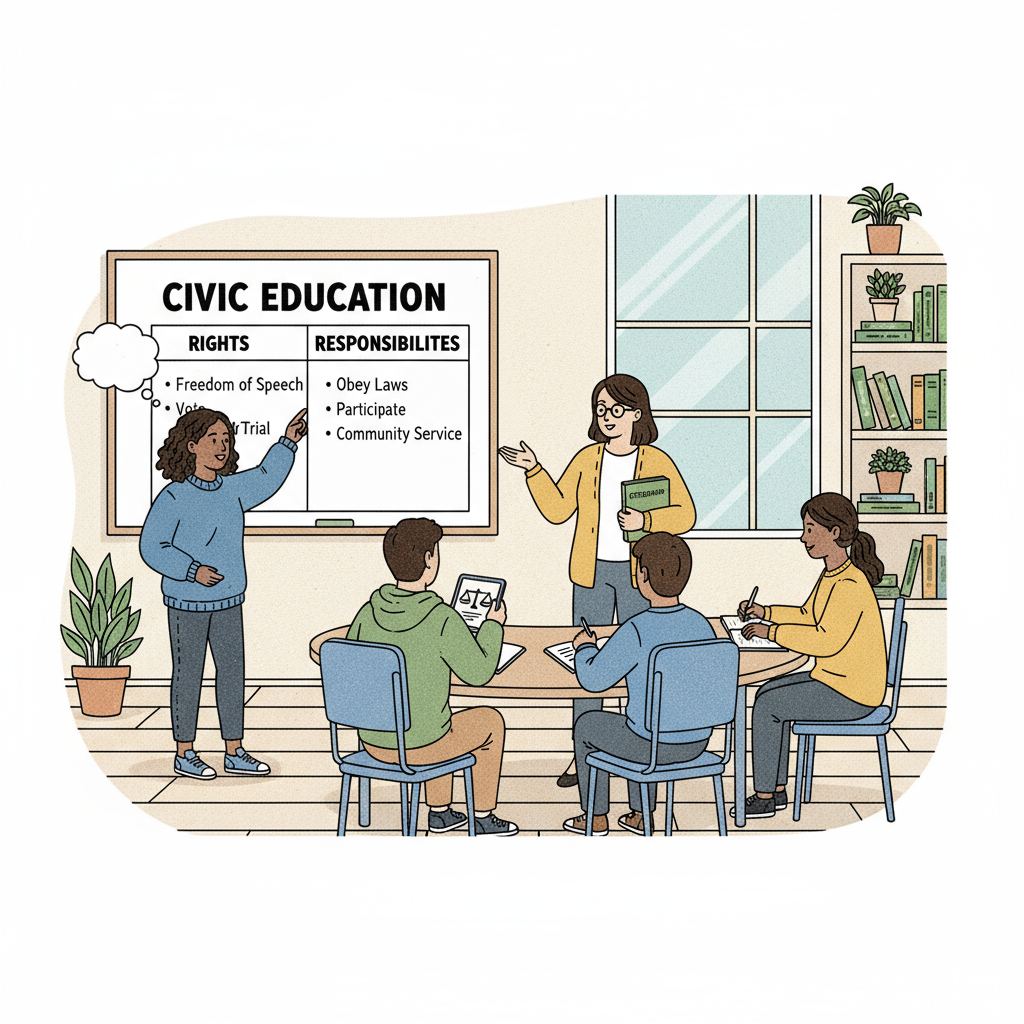
Active citizen participation remains essential for healthy democratic systems. Voting, community engagement, public discussions, and civic education all contribute to stronger governance and more representative political institutions.
In many countries, efforts are being made to encourage greater political participation among young people. Educational programs and digital engagement initiatives aim to help citizens better understand political processes and their role within them.
Ways Citizens Can Participate
- Voting in elections.
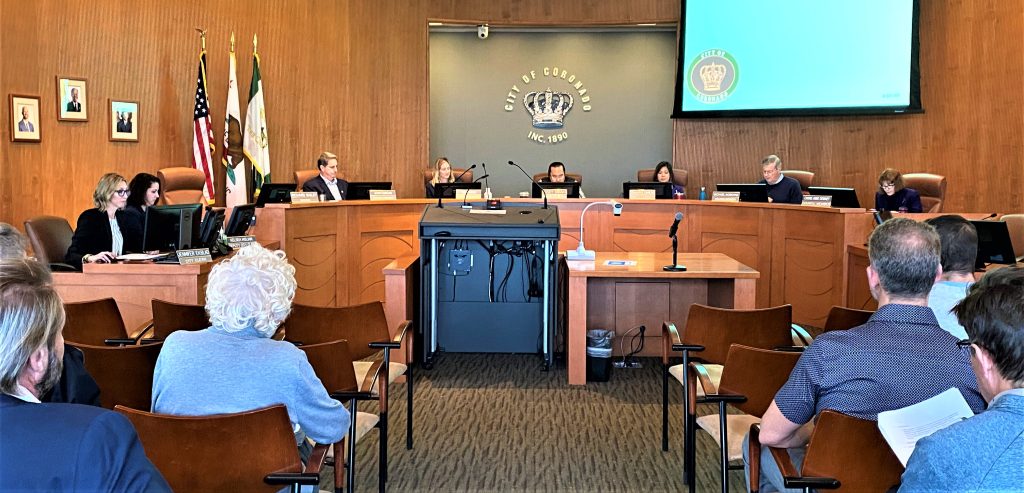
- Attending public meetings.
- Engaging in community initiatives.
- Participating in policy discussions.
- Supporting civic education programs.
- Communicating with elected representatives.
- Volunteering for public service activities.
Economic Policy and Political Decision-Making
Economic issues remain a major focus of political debate around the world. Governments are tasked with promoting economic growth, managing inflation, creating employment opportunities, and ensuring financial stability.
Policymakers must address complex challenges such as automation, workforce transformation, rising living costs, and global competition. Effective economic policies can support sustainable development and improve quality of life for citizens.
Climate Change and Environmental Politics
Climate change has become one of the most important political issues of the 21st century. Governments worldwide are developing policies to reduce carbon emissions, promote renewable energy, and protect natural resources.
Environmental policies often require cooperation between nations, businesses, and local communities. Balancing economic development with environmental sustainability remains a key challenge for policymakers in 2026.
Major Environmental Policy Priorities
- Reducing greenhouse gas emissions.
- Expanding renewable energy infrastructure.
- Protecting biodiversity.
- Promoting sustainable transportation.
- Improving waste management systems.
- Supporting climate adaptation initiatives.
International Relations in a Connected World
Globalization has increased the importance of international cooperation. Countries work together on issues such as trade, security, climate change, public health, and technology regulation.
Diplomatic relationships influence economic opportunities, regional stability, and global development. Successful international cooperation often requires compromise, negotiation, and mutual understanding among diverse stakeholders.
The Role of Media in Politics
Media organizations play a crucial role in informing citizens about political events, policies, and public affairs. Traditional news outlets, online publications, podcasts, and social media platforms have expanded access to information while creating new challenges related to misinformation and content verification.
Media literacy is becoming increasingly important as citizens navigate a complex information environment. Understanding how to evaluate sources and identify credible information is essential for informed political participation.
Political Polarization and Social Cohesion
Many societies are experiencing increased political polarization, where individuals and groups hold strongly opposing viewpoints. While healthy debate is a fundamental aspect of democracy, excessive polarization can make compromise and collaboration more difficult.
Building social cohesion requires respectful dialogue, civic engagement, and a willingness to consider different perspectives. Political leaders, institutions, and citizens all have a role to play in promoting constructive conversations.
Strategies for Strengthening Democracy
- Encouraging civic education.
- Promoting transparency in governance.
- Supporting independent institutions.
- Enhancing public participation.
- Combating misinformation.
- Strengthening accountability mechanisms.
- Fostering inclusive dialogue.
The Influence of Youth in Politics
Younger generations are becoming increasingly active in political discussions and social movements. Issues such as climate change, education, employment, digital rights, and social justice are motivating young people to participate in public affairs.
Through digital platforms and community engagement, youth are contributing fresh ideas and perspectives that can help shape future policies and political priorities.
Challenges Facing Governments in 2026
Governments face numerous challenges, including economic uncertainty, technological disruption, cybersecurity threats, demographic changes, healthcare demands, and environmental concerns. Addressing these issues requires effective leadership, evidence- based policymaking, and collaboration across sectors.
The ability to adapt to changing circumstances while maintaining public trust will be a key factor in determining political success in the coming years.
The Future of Politics
Politics will continue evolving as societies become more interconnected and technology advances. Digital governance, artificial intelligence, data-driven policymaking, and increased citizen participation are likely to shape the future political landscape.
At the same time, core democratic principles such as representation, accountability, and public service will remain essential. Balancing innovation with these foundational values will be critical for effective governance.
Conclusion
Politics in 2026 is defined by rapid change, global interconnectedness, and growing public expectations. Governments, institutions, and citizens must work together to address complex challenges while creating opportunities for sustainable growth and social progress.
By promoting transparency, civic engagement, innovation, and international cooperation, political systems can better serve communities and build a more stable and prosperous future. Understanding political developments and actively participating in democratic processes remain essential responsibilities for citizens around the world.